
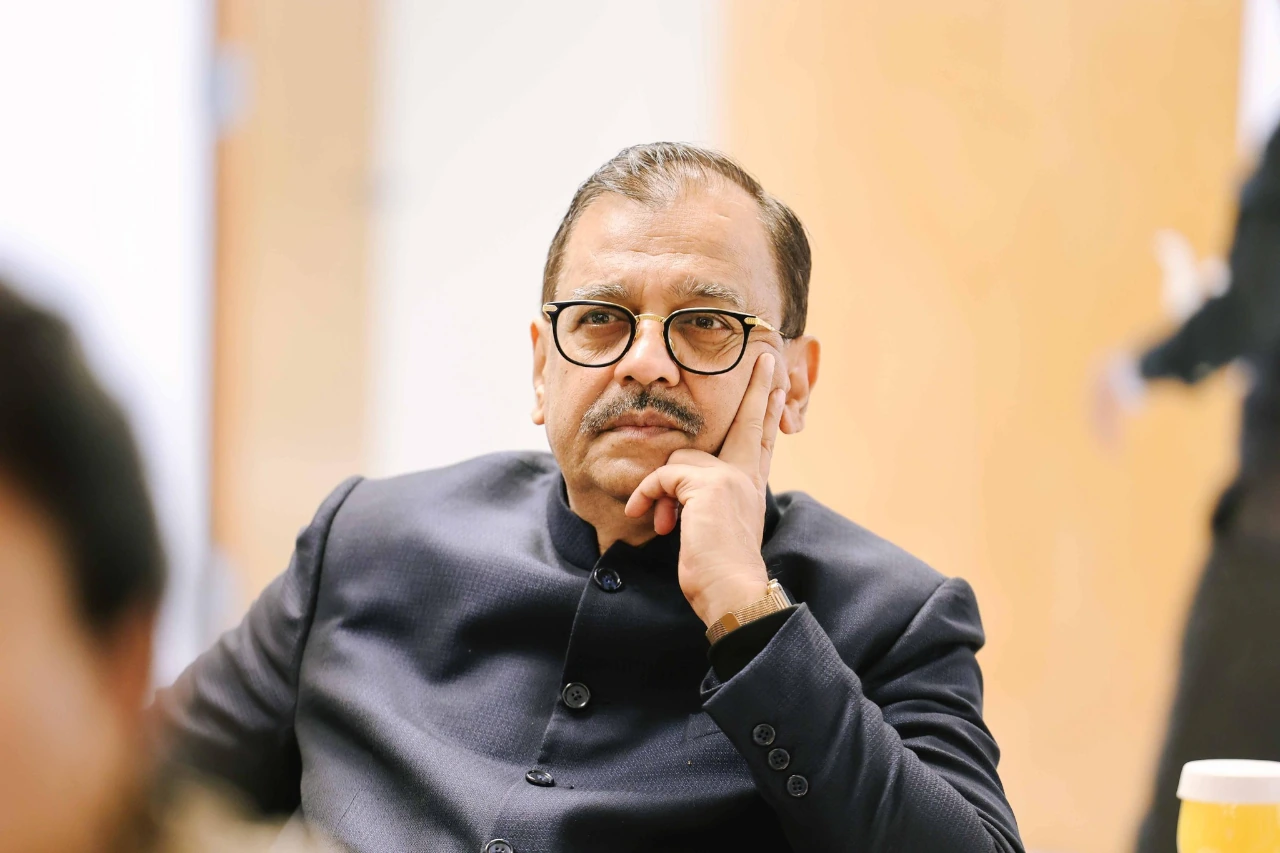
⚖️ Ujjwal Nikam: The Prosecutor Who Carried a Nation’s Conscience
“When terror shook the streets, he stood steady in the courtroom”
🔎 Detailed Article Summary – Ujjwal Nikam: The Prosecutor Behind India’s Biggest Terror Trials and High-Profile Criminal Cases
Ujjwal Nikam is not merely a celebrated lawyer or a familiar television face associated with high-profile court proceedings — he represents an era in Indian criminal jurisprudence where terrorism, organized crime, political violence, and socially explosive cases tested the very resilience of the country’s judicial system.
Born on 30 March 1953 in Jalgaon, Maharashtra, Nikam grew up in a legally disciplined environment under the influence of his father, Deoroji Nikam, who served as a judge and barrister. Over the decades, he transformed himself from a diligent public prosecutor into one of India’s most recognized legal figures, handling cases that shaped national memory and public discourse.
This comprehensive biography explores the extraordinary legal journey of a man whose career became closely associated with India’s fight against terrorism and organized crime. The article takes readers deep inside the courtroom battles that defined his public identity, particularly the prosecution of the 1993 Bombay bombings and the 2008 Mumbai attacks case involving Ajmal Kasab.
Through detailed research, public records, media coverage, interviews, podcasts, and verified statements from Nikam himself, the article examines how he constructed prosecution strategies, coordinated with investigative agencies, handled enormous evidentiary challenges, and maintained constitutional discipline in moments when the entire nation demanded swift justice.
However, this biography goes far beyond terrorism trials alone. It presents a broader portrait of Nikam’s legal career by examining his role in several other sensational and socially significant cases across India. From the murder of music mogul Gulshan Kumar and the politically sensitive Pramod Mahajan murder trial to emotionally charged cases such as the Shakti Mills gang rape case, the Khairlanji massacre, the Kopardi rape and murder case, and the Preeti Rathi acid attack case, the article reveals the sheer diversity of prosecutions he handled throughout his career.
Each case is explored not merely through legal outcomes, but through the emotional, political, social, and media environments surrounding the proceedings. The article also sheds light on how Nikam approached witness management, forensic evidence, media scrutiny, and appellate sustainability in some of the country’s most challenging criminal prosecutions.
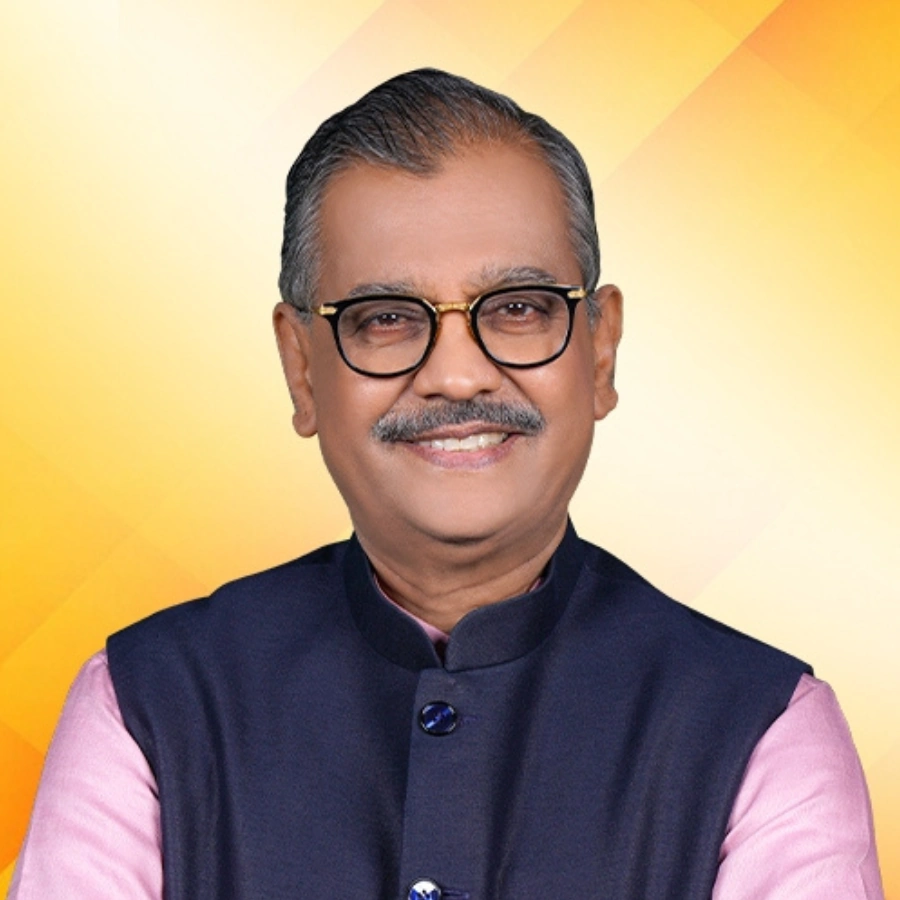
The biography further examines Ujjwal Nikam beyond the courtroom — as a public figure, political personality, legal commentator, husband, father, and recipient of the Padma Shri. It discusses his association with the Bharatiya Janata Party, his public lectures on constitutional law and criminal justice, his media appearances, controversies linked to statements made during the Kasab trial, and the evolution of his image as one of India’s most visible prosecutors. Through detailed narrative storytelling and minute legal insights, the article captures both admiration and criticism surrounding his public life, presenting a balanced and deeply researched account rather than a one-dimensional portrayal.
At its core, this article is the story of a prosecutor who stood inside courtrooms during some of India’s darkest moments and attempted to answer violence with law. It is a study of constitutional accountability, prosecutorial discipline, courtroom psychology, and the changing nature of criminal justice in modern India. More importantly, it is the story of how Ujjwal Nikam became a symbol of India’s legal response to terror and high-profile crime — a figure whose name remains permanently linked with some of the most historic criminal trials in the country’s judicial history.
📌 Key Highlights Covered in the Article
- Early life and upbringing in Jalgaon, Maharashtra
- Influence of father Deoroji Nikam, a judge and barrister
- Educational background and legal training
- Rise as a Special Public Prosecutor in Maharashtra
- Detailed role in the 1993 Bombay Serial Blasts case
- In-depth prosecution strategy in the Ajmal Kasab trial
- Comprehensive analysis of the 26/11 Mumbai terror attacks prosecution
- Role in major high-profile criminal cases across India
- Media appearances, interviews, and public image
- Controversies and criticism linked to public statements
- Family life, marriage, and personal background
- Political journey and association with BJP
- Legal philosophy, courtroom strategy, and prosecutorial methods
- Legacy and long-term impact on India’s criminal justice system
🔎 Executive Overview – A Life in Service of Justice
Ujjwal Nikam, born on 30 March 1953 in Jalgaon, Maharashtra, India, is widely regarded as one of India’s most prominent Special Public Prosecutors. Over the course of more than four decades, he became a defining legal figure in some of the country’s most sensitive and high-profile criminal and terrorism-related trials.
The son of Deoroji Nikam, a respected judge and barrister, he grew up in an environment deeply influenced by the values of judicial discipline and constitutional ethics. From leading the prosecution in the 1993 Bombay bombings case to representing the State during the 2008 Mumbai attacks trial, his career has been closely associated with India’s institutional response to terror and organized crime.
Also Read Detailed Biographies of
Geetanjali Mishra | Madirakshi Mundle | Rasika Wakharkar | Purniemaa Dey | Shefali Bagga | Rukmini Vasanth | Plabita Borthakur | Akshata Naik | Rose Sardana | Nivaashiyni Krishnan | Mahima Mhatre | Sonam Mhasvekar | Ekta Dangar | Sharayu Sonawane | Sanjana Kale | Purva Shinde | Sushrii Shreya Mishrā | Ishaa Saha | Namrata Gaikwad | Surbhi Chandna | Nakshatra Medhekar | Suvedha Desai
In 2016, he was honoured with the Padma Shri in recognition of his contribution to law and public affairs. Later, he extended his public engagement into the political sphere through his association with the Bharatiya Janata Party.
Yet beyond the legal milestones and national recognition lies a deeper narrative — one shaped by upbringing, intellectual rigor, professional discipline, family grounding, and unwavering belief in the rule of law.
🔎 Synopsis / Précis – Ujjwal Nikam
- Name: Ujjwal Nikam
- Born: 30 March 1953
- Age (As of 2026): 73 Years
- Birth Place: Jalgaon, Maharashtra, India
- Ethnicity: Indian (Maharashtrian)
- Profession: Special Public Prosecutor, Lawyer, Legal Commentator, Politician
- Mediums: Courtroom Litigation, Criminal Law Practice, Public Speaking, Media Discussions, Political Engagement, Legal Awareness Programs
- Identity: The prosecutor who became the courtroom face of India’s fight against terror
- Legal Reputation: A master of evidence-driven prosecution in India’s most sensitive criminal trials
- Public Image: Known for standing firm in courtrooms when the nation demanded justice
- Known For: Leading prosecutions in India’s most historic and high-profile criminal cases, including the 1993 Bombay bombings, the 2008 Mumbai attacks, the Ajmal Kasab trial, the Gulshan Kumar murder case, the Pramod Mahajan murder case, the Shakti Mills gang rape case, and several other landmark prosecutions.
- Special Strength: Evidence-driven courtroom strategy, constitutional discipline, handling terrorism and organized crime trials, forensic integration, witness coordination, and sustaining legally robust prosecutions under intense public scrutiny.
- Professional Strength: Calm under pressure, meticulous with evidence, and relentless in preparation
- Media Presence: One of India’s most publicly recognized and widely discussed prosecutors
- Legacy: A legal strategist whose courtroom work became part of India’s modern judicial history
- Awards: Padma Shri (2016) for contribution to law and public affairs
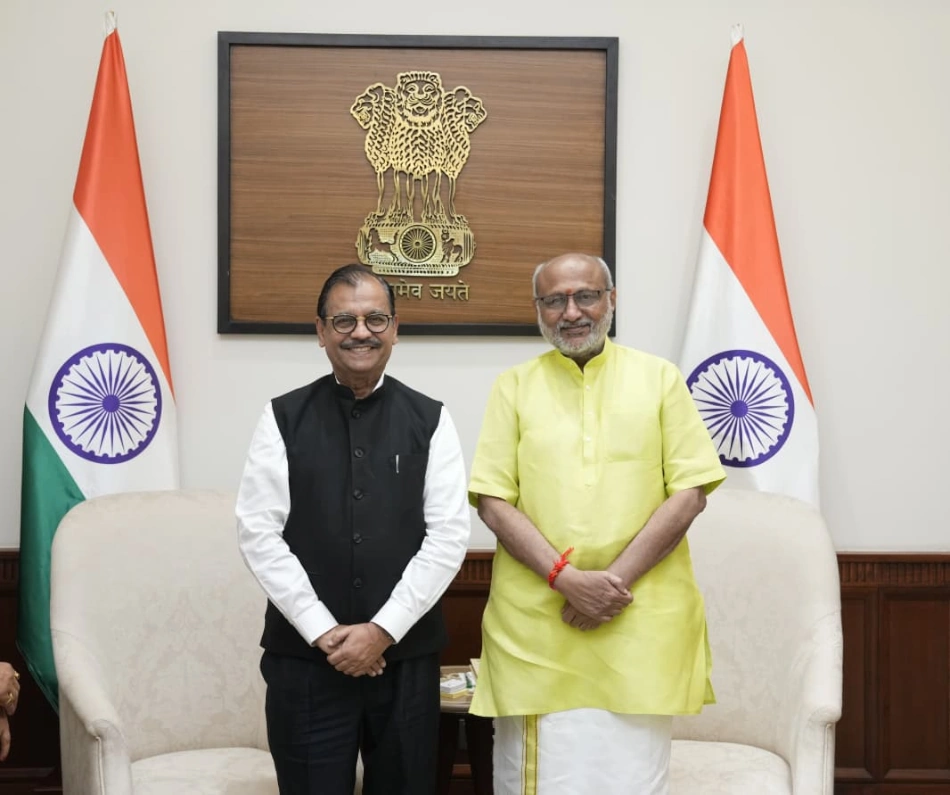
📖 Extended Synopsis / Précis – The Definitive Overview
Ujjwal Nikam is widely regarded as one of India’s most influential and publicly recognized Special Public Prosecutors, whose legal career became deeply associated with some of the most defining terrorism and high-profile criminal trials in modern Indian judicial history. Born on 30 March 1953 in Jalgaon, Maharashtra, Nikam grew up in an environment shaped by legal discipline and constitutional values under the influence of his father, Deoroji Nikam, a respected judge and barrister. That upbringing played a significant role in shaping his professional philosophy and his lifelong commitment to evidence-based prosecution.
Over a legal career spanning more than four decades, Ujjwal Nikam emerged as one of the most prominent prosecutorial figures in India’s fight against terrorism, organized crime, political violence, and socially sensitive criminal offenses. His rise to national prominence began during the prosecution of the 1993 Bombay bombings case, where he represented the State in one of the largest anti-terror proceedings in Indian legal history.
However, it was the prosecution of Ajmal Kasab following the 2008 Mumbai attacks that permanently established him as a nationally recognized legal personality. His courtroom strategy, detailed handling of forensic and digital evidence, and emphasis on constitutional procedure during emotionally explosive proceedings earned him widespread public visibility and recognition.
Apart from terrorism-related litigation, Nikam also handled several other high-profile criminal cases that attracted enormous national attention. These included the Gulshan Kumar murder case, the Pramod Mahajan murder trial, the Khairlanji massacre case, the Shakti Mills gang rape case, the Kopardi rape and murder case, the Preeti Rathi acid attack case, and multiple organized crime prosecutions in Maharashtra. Across these proceedings, he developed a reputation for methodical preparation, procedural discipline, witness management, and legally sustainable prosecution strategies capable of surviving appellate scrutiny in higher courts.
Beyond courtroom litigation, Nikam gradually evolved into a widely recognized public figure through interviews, television appearances, lectures, podcasts, and discussions on terrorism, constitutional law, criminal justice reform, and national security. His visibility in media transformed him into one of the few prosecutors in India whose public identity extended beyond legal circles into mainstream national discourse.
At the same time, his public remarks occasionally generated controversy and criticism, particularly regarding comments linked to the Ajmal Kasab trial and debates concerning prosecutorial media engagement. Nevertheless, supporters often credited him with increasing public understanding of judicial process and constitutional accountability in terrorism-related cases.
In recognition of his contribution to law and public affairs, the Government of India honoured him with the Padma Shri in 2016. Later, he expanded his public role further through political association with the Bharatiya Janata Party, entering broader discussions concerning governance, national security, and criminal justice. Despite political involvement and public visibility, however, his identity continues to remain fundamentally rooted in the courtroom — as a prosecutor who represented the State during some of India’s most traumatic and historically significant criminal trials.
At its core, the story of Ujjwal Nikam is not merely the story of a lawyer handling sensational cases. It is the story of a legal professional who became deeply intertwined with India’s evolving constitutional response to terrorism, organized crime, and high-profile criminal prosecution in the post-liberalization era. His career reflects the transformation of the Indian public prosecutor from a relatively low-profile courtroom functionary into a nationally recognized public figure operating under intense media attention, political scrutiny, and public expectation.
Today, Ujjwal Nikam’s name remains permanently linked with some of the most defining criminal trials in modern India. Whether admired for his prosecutorial discipline, debated for his public visibility, or remembered for his role in historic anti-terror trials, his contribution to India’s criminal justice narrative remains undeniably significant.
Chapter-wise Unfolding of India’s Most Loved Special Public Prosecutor – THE ONE AND ONLY UJJWAL NIKAM JI
Chapter 1: Born into the Language of Law – Jalgaon, 1953
On 30 March 1953, in the culturally rooted town of Jalgaon in Maharashtra, Ujjwal Nikam entered a world where justice was not an abstract ideal but a living reality. Jalgaon in the mid-20th century was defined by agricultural prosperity, strong community bonds, and a growing emphasis on education. It was not a metropolitan legal hub, yet it produced individuals who carried its grounded values into larger national arenas.
For young Ujjwal, the household environment played a decisive role. His father, ‘Deoroji Nikam’, served as both judge and barrister — roles demanding impartiality, intellectual depth, and moral clarity. Legal discourse was not confined to the courtroom; it often echoed within the walls of the Nikam residence. Conversations about evidence, responsibility, fairness, and judicial reasoning shaped the atmosphere in which he grew up.
This early exposure did not push him aggressively toward law; rather, it nurtured familiarity. The legal profession was not distant or intimidating. It was woven into daily life. Watching his father balance authority with accountability instilled in him a quiet respect for institutions.
In later years, when Nikam would stand before packed courtrooms during moments of national crisis, that childhood grounding would become visible in his composure. The steadiness he displayed under pressure was not improvised — it was cultivated from an early age.
Chapter 2: The Influence of Deoroji Nikam – Legacy and Responsibility
The influence of Deoroji Nikam cannot be overstated in understanding Ujjwal Nikam’s professional character. A judge and barrister, Deoroji embodied the dual responsibilities of interpreting law and upholding justice. He operated in a role that required independence of thought and strength of conviction.
Growing up in such an environment meant witnessing firsthand the weight that judicial decisions carry. The young Ujjwal observed that law was not merely a set of statutes; it was a framework sustaining social order. Authority, he learned early, must be exercised with restraint.
The lessons absorbed during childhood were subtle yet enduring. Law was to be respected, not manipulated. Evidence was to be evaluated carefully, not selectively. Public roles demanded private discipline.
These principles later shaped his prosecutorial approach. Even in emotionally charged cases, he remained committed to procedural integrity. The foundation laid by his father instilled a belief that justice must be deliberate and documented.
Chapter 3: Academic Formation – Crafting the Prosecutor’s Mind
As he progressed through his education, it became evident that law was not simply an inherited path but a conscious choice. Ujjwal Nikam pursued legal studies in Maharashtra, immersing himself in criminal jurisprudence during a period when India’s legal system was steadily evolving.
The academic environment sharpened his analytical abilities. He developed deep familiarity with the Indian Penal Code, the Criminal Procedure Code, and the Indian Evidence Act. These legislative instruments became the tools through which he would later navigate complex trials.
Unlike students drawn to the performative aspects of courtroom advocacy, Nikam was more inclined toward precision. He understood that criminal prosecution requires mastery over detail. A single procedural lapse can undermine an otherwise strong case.
During his academic years, he cultivated habits that would later define his professional identity: meticulous preparation, structured reasoning, and measured communication. He was not known for flamboyance; he was known for thoroughness.
Education for him was not a stepping stone toward prestige. It was preparation for responsibility. Public prosecution, he believed, involved representing society itself — and that required intellectual rigor combined with ethical clarity.
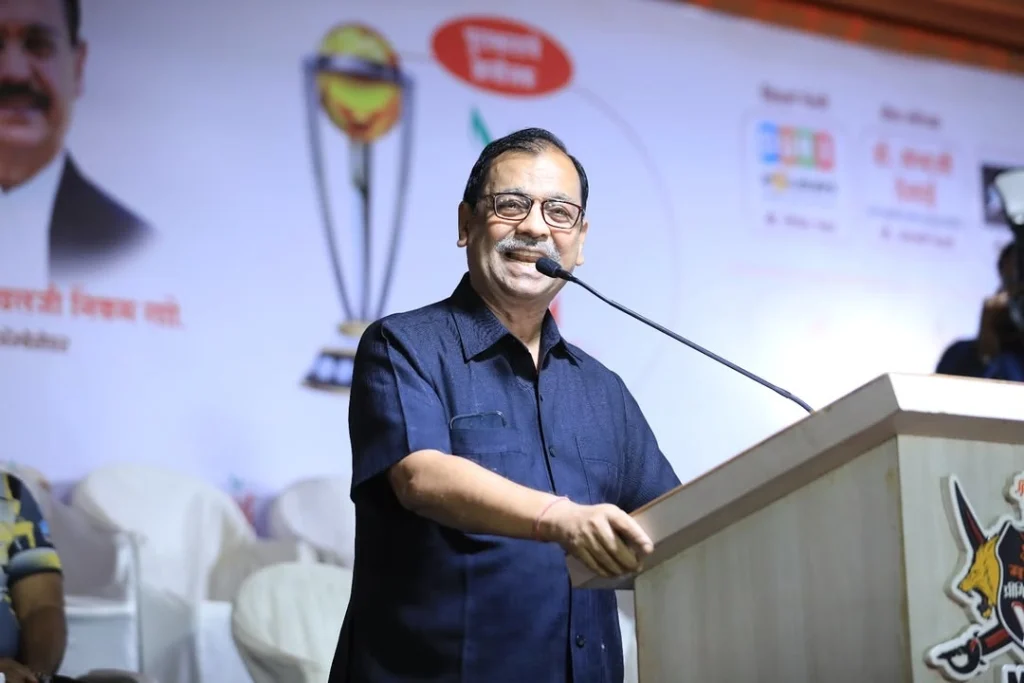
Chapter 4: Entering the Legal Arena – The Discipline of Early Practice
Upon entering the legal profession, Nikam began building his career within Maharashtra’s prosecutorial framework. These early years were crucial. They involved handling criminal cases at various levels, working closely with investigative agencies, and gaining practical experience in courtroom procedure.
Public prosecution is often misunderstood as a dramatic courtroom role. In reality, it demands extensive groundwork. Prosecutors must examine evidence before charges are framed, coordinate with law enforcement officers, prepare witnesses for testimony, and anticipate potential defense strategies.
Nikam approached each responsibility with seriousness. Colleagues recall that his case files were always carefully organized, reflecting hours of preparation. He believed that clarity in documentation translates into clarity in argument.
In court, his demeanor was composed and measured. He did not raise his voice unnecessarily. Instead, he presented arguments systematically, allowing evidence to carry persuasive weight.
These years were formative. They established credibility. Investigators trusted his legal assessment. Judges respected his preparedness. The State began to see in him a prosecutor capable of handling increasingly sensitive cases.
Chapter 5: The 1993 Bombay Serial Blasts – A Defining Trial
1993 Bombay bombings
The coordinated bomb blasts that struck Mumbai on 12 March 1993 marked one of the most devastating episodes in India’s modern history. The scale of destruction and the complexity of the conspiracy demanded an equally robust legal response.
Appointed as Special Public Prosecutor in the case, Ujjwal Nikam faced a monumental task. The investigation uncovered intricate links involving organized crime syndicates and international networks. The trial involved multiple accused individuals and vast volumes of documentary and forensic evidence.
The proceedings extended over several years. Each phase required meticulous preparation. Nikam’s approach was grounded in evidence-based argumentation. He avoided sensationalism, focusing instead on constructing a case capable of withstanding appellate scrutiny.
The courtroom environment was intense. Public emotion was high. Yet the prosecution had to remain disciplined. Through sustained effort, the case culminated in convictions that reaffirmed confidence in the judicial system.
For Nikam, this trial marked a turning point. He was no longer simply a prosecutor within Maharashtra’s legal circles. He had become a national legal figure — associated with the State’s determination to address terrorism through constitutional channels.
Chapter 6: The 26/11 Mumbai Terror Attacks – Justice Under Global Scrutiny
2008 Mumbai attacks
On the night of 26 November 2008, Mumbai once again became the epicenter of terror. Coordinated attacks targeted multiple locations, resulting in widespread casualties and international shock. The capture of Ajmal Kasab, the lone surviving attacker, placed extraordinary responsibility upon the prosecutorial system.
Ujjwal Nikam was entrusted with leading the State’s case. The trial was watched not only by India but by the global community. It represented a test of constitutional resilience.
The prosecution relied on a combination of forensic analysis, CCTV footage, ballistic reports, eyewitness testimony, and documentary evidence. Each element had to be presented carefully, ensuring procedural integrity.
The trial demonstrated that even in moments of deep national grief, justice must proceed through established legal frameworks. The conviction and sentencing that followed reinforced faith in institutional processes.
For Nikam, this case cemented his public image as a prosecutor capable of handling cases carrying profound symbolic weight.
Chapter 7: Recognition and Responsibility – The Padma Shri
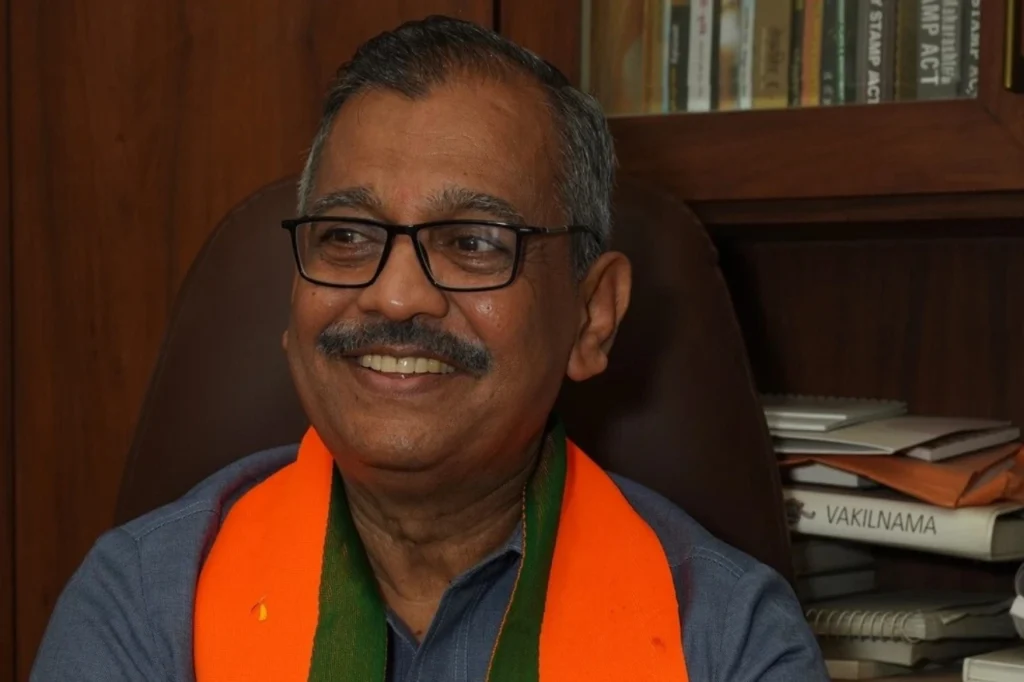
In 2016, Ujjwal Nikam was awarded the Padma Shri for his contributions to law and public affairs. The honor acknowledged decades of prosecutorial service in cases central to national security.
For many observers, the award represented validation of a career built on discipline rather than spectacle. For Nikam himself, it symbolized responsibility — a reminder that public trust must be continuously upheld.
Chapter 8: The Personal Sphere – Family as Anchor
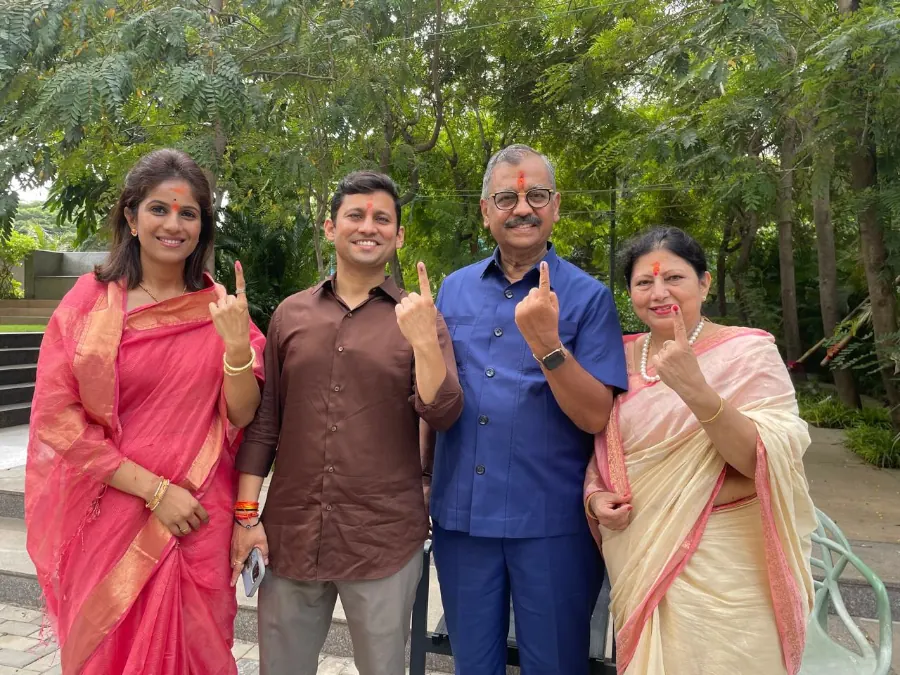
Despite his public visibility, Ujjwal Nikam has maintained a private and grounded family life. He is married to ‘Jyoti Nikam’, whose quiet presence has remained outside media attention.
The couple has two children: Aniket Nikam, who pursued a career in law, and Sharwari Nikam, who maintains a private professional life. Aniket is married to Pooja Deshmukh Nikam, further strengthening the family’s close-knit structure.
Handling high-profile terrorism cases brought security concerns and intense scrutiny. Through these phases, family offered stability and emotional grounding. The Nikam household remained rooted in discipline and mutual respect.
Chapter 9: Political Engagement – Extending Public Responsibility
In later years, Ujjwal Nikam became associated with the Bharatiya Janata Party. His transition into political life was seen by supporters as a continuation of public service.
While courtroom advocacy and electoral politics operate in different arenas, both involve engagement with public trust. Nikam’s legal background shaped his political identity, emphasizing governance anchored in constitutional values.
Chapter 10: A Philosophy Anchored in Evidence
Throughout his career, one principle has remained constant: justice must rest on evidence, not emotion. Terrorism trials evoke powerful reactions. Yet Nikam has consistently maintained that due process defines democracy.
His legal philosophy emphasizes that even in the most emotionally charged cases, the integrity of procedure must never be compromised. It is this commitment to evidence-based prosecution that defines his legacy.
“Justice is not delivered in anger. It is constructed in discipline”
Chapter 11: Inside the Mind of a Special Public Prosecutor
If Part 1 of this definitive biography traced the foundations of Ujjwal Nikam — his upbringing in Jalgaon, the influence of his father Deoroji Nikam, and the defining trials that brought him national prominence — Part 2 turns inward. It explores the psychological dimensions of a career that unfolded under extraordinary pressure.
To understand Nikam’s professional identity, one must appreciate what it means to be a Special Public Prosecutor in cases involving terrorism and organized crime. These are not routine criminal trials. They involve national security, international scrutiny, and collective trauma. The courtroom becomes more than a legal space; it becomes a symbolic arena where the State asserts its constitutional authority.
In such circumstances, a prosecutor must maintain balance. Public outrage may be intense. Political pressure may be present. Media attention may be relentless. Yet the prosecutor’s role remains constant: to present evidence, uphold procedure, and ensure that justice is achieved within the framework of law.
Nikam’s composure in high-profile trials suggests an internal discipline cultivated over decades. Observers often remark that he rarely appeared visibly rattled, even when proceedings were heated. This steadiness was not theatrical restraint. It was the product of preparation.
He has frequently emphasized in interviews that preparation is the backbone of prosecutorial confidence. When evidence is thoroughly examined and arguments are logically structured, there is little need for improvisation. In high-pressure environments, preparation becomes psychological armour.

Chapter 12: The Strategy of Prosecution – Precision Over Performance
In public imagination, courtroom battles are dramatic affairs marked by fiery speeches and confrontational exchanges. In reality, especially in complex criminal trials, success often lies in quiet precision.
During the prosecution of the 1993 Bombay bombings case, Nikam’s strategy was rooted in systematic construction. The volume of evidence was vast. Multiple accused individuals required individualized attention. International linkages added layers of complexity.
His approach relied on:
Organizing evidence chronologically and thematically
Establishing clear chains of custody for forensic materials
Anticipating procedural objections from defence counsel
Presenting arguments in structured stages rather than rhetorical bursts
Such discipline ensured that the prosecution’s case could withstand appeals and judicial review. In cases of national significance, the durability of a verdict is as important as the verdict itself.
Similarly, during the trial related to the 2008 Mumbai attacks, the prosecution’s reliance on digital evidence — including CCTV recordings and forensic analysis — required technological literacy alongside legal expertise. Nikam’s ability to integrate complex evidentiary components into a coherent narrative demonstrated adaptability.
His courtroom presence was often described as measured. He did not rely heavily on emotional appeals. Instead, he allowed evidence to speak. This style aligned with his long-standing belief that the courtroom is a forum for structured reasoning rather than spectacle.
Also Read Detailed Biographies of
Niyati Fatnani | Sara Arjun | Ritabhari Chakraborty | Priyanka Jain | Sonali Patil | Aetashaa Sansgiri | Vijaya Babar | Ruchita Jadhav | Prajakta Gaikwad | Sanika Kashikar | Trina Saha | Avantika Mishhra | Samridhi Puri | Reeshma Nanaiah | Sharvari Jog | Ruchira Jadhav | Rachana Inder | Anushka Sarkate | Tanvi Mundle | Pallavi Patil | Rashmi Gautam
Chapter 13: Media Narratives and Public Perception
High-profile trials inevitably generate media attention. In the aftermath of the 26/11 attacks, national and international media closely followed every stage of the proceedings. As Special Public Prosecutor, Nikam became a visible public figure.
Media coverage brought both recognition and scrutiny. Interviews amplified his voice on matters of legal process and national security. At the same time, critics occasionally debated the extent to which prosecutors should engage with media during ongoing trials.
Nikam has maintained that transparency within legal boundaries does not compromise justice. He has argued that public understanding of judicial processes strengthens institutional trust. However, he has also emphasized that evidentiary details must remain within courtroom confines.
The intersection of law and media is delicate. Prosecutors must avoid prejudicing proceedings while acknowledging public interest. In Nikam’s case, his statements generally reflected procedural caution.
Public perception of him has often been shaped by the gravity of the cases he handled. To many citizens, he symbolized the State’s determination to pursue justice in moments of crisis. To some observers, his visibility invited critical examination. Such duality is inevitable for public figures operating in nationally significant roles.
Importantly, no judicial authority has established professional misconduct in his prosecutorial career. Debates surrounding media presence remain part of broader conversations about transparency in high-profile litigation.
Chapter 14: Security, Pressure, and Personal Risk
Handling terrorism cases is not merely an intellectual challenge; it can involve personal risk. Prosecutors in such trials often operate under heightened security arrangements.
While detailed security protocols are not publicly documented, it is widely understood that individuals involved in high-profile prosecutions face elevated precautionary measures. Such circumstances can affect daily routines, family life, and personal freedom.
For Nikam, balancing professional duty with personal safety required resilience. His family — including his wife Jyoti Nikam and children Aniket and Sharwari — lived alongside these realities. The psychological weight of potential threats is rarely visible in courtroom transcripts, yet it forms part of the broader narrative of prosecutorial responsibility.
Maintaining focus under such conditions requires emotional discipline. It demands compartmentalization — the ability to separate personal concerns from professional obligations. Observers suggest that Nikam’s steady demeanor reflected such compartmentalization.
Chapter 15: The Ethical Framework – Fairness Even in Terror Trials
One of the defining aspects of Nikam’s prosecutorial philosophy has been his emphasis on procedural fairness. In democratic systems, even individuals accused of grave crimes are entitled to legal representation and due process.
The trial of Ajmal Kasab, for example, underscored this principle. Despite the enormity of the crime, the proceedings ensured access to defense counsel and adherence to procedural safeguards. Such measures demonstrated that constitutional democracy does not suspend rights in moments of anger.
Nikam has consistently articulated that the strength of the State lies in its ability to uphold fairness even toward those accused of undermining it. This stance reinforces the moral authority of judicial outcomes.
The prosecutor’s duty is not to secure conviction at any cost. It is to present evidence fairly and allow the judiciary to determine guilt based on law. This ethical framework defines the legitimacy of the prosecutorial role.
Chapter 16: Transition to Public Life – Politics and Principle
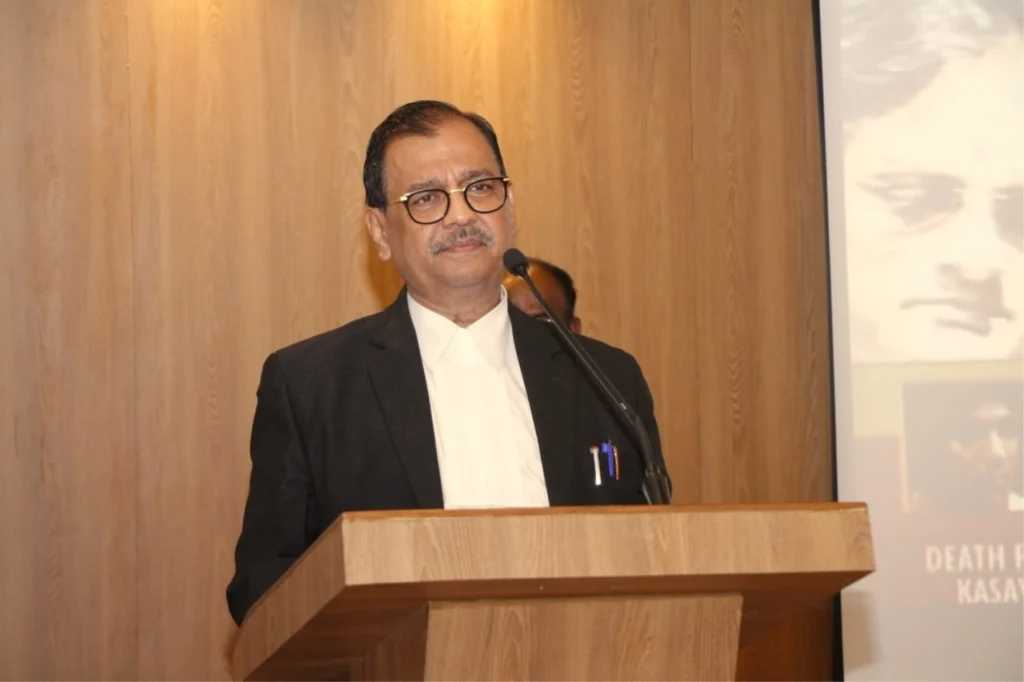
In later years, Nikam’s association with the Bharatiya Janata Party marked a transition from courtroom advocacy to broader public engagement.
For some, this shift represented continuity. Having served the State in legal capacity, he sought to participate in governance and policy discourse. For others, it prompted discussion about the intersection between prosecutorial roles and political affiliation.
Political life introduces new dynamics — public campaigning, policy debates, electoral accountability. Unlike the courtroom, where arguments are anchored in statutory interpretation, politics involves ideological positioning.
Yet, Nikam’s public statements have continued to emphasize constitutional integrity and national security. His legal background informs his political perspective, particularly on matters related to law enforcement and judicial reform.
The transition illustrates how legal professionals sometimes extend their influence beyond litigation into governance structures. It also reflects the broader Indian tradition of lawyers participating in political life.
Chapter 17: The Family Continuum – Law as a Generational Thread
The Nikam family narrative reflects continuity. His son, Aniket Nikam, chose to pursue a career in law, echoing the path of both grandfather and father. This generational thread underscores the enduring influence of legal values within the household.
Aniket’s marriage to Pooja Deshmukh Nikam further strengthened familial bonds. Meanwhile, Sharwari Nikam maintains a private life away from media visibility.
For Ujjwal Nikam, family represents grounding. In interviews, he has indicated that personal stability enables professional focus. The presence of a supportive spouse in Jyoti Nikam has been integral to navigating the demands of public life.
The interplay between public responsibility and private life remains a defining feature of long legal careers. In Nikam’s case, family continuity reinforces the centrality of law as both vocation and value system.
Chapter 18: Public Lectures and Legal Awareness
Beyond courtroom appearances, Nikam has addressed law students, academic institutions, and civic forums. His lectures often revolve around themes such as:
The importance of meticulous preparation in criminal law
The need for robust investigative mechanisms
Witness protection reforms
Judicial efficiency
He emphasizes that aspiring lawyers must respect procedural detail. According to him, brilliance without discipline is insufficient in criminal litigation.
Such engagements reflect his commitment to institutional strengthening. Rather than viewing prosecution as a solitary career, he frames it as part of a broader ecosystem requiring cooperation between investigators, prosecutors, judiciary, and civil society.

Chapter 19: Measuring Legacy – Beyond Verdicts
Assessing the legacy of a public prosecutor involves more than counting convictions. It requires examining institutional impact.
Nikam’s role in landmark trials contributed to public awareness about legal procedure in terrorism cases. His visibility brought prosecutorial responsibilities into mainstream discussion.
His career underscores several themes:
The endurance required for prolonged trials
The balance between transparency and procedural caution
The necessity of evidentiary rigor in emotionally charged contexts
The importance of constitutional discipline in democratic systems
Whether viewed through supportive or critical lenses, his career invites discussion about how democracies respond legally to acts of terror.
Chapter 20: The Enduring Question – What Defines a Prosecutor?
As this definitive biography progresses, a central question emerges: what defines a prosecutor of national significance?
Is it the magnitude of cases handled?
Is it the awards received, such as the Padma Shri?
Is it the transition into political life through association with the Bharatiya Janata Party?
Or is it something more fundamental — the sustained commitment to constitutional process in moments when shortcuts might seem tempting?
In Ujjwal Nikam’s case, the answer appears rooted in consistency. From Jalgaon’s grounded upbringing to nationally scrutinized courtrooms, his professional narrative reflects adherence to procedural order.
He did not reinvent himself in response to headlines. He relied on the same discipline cultivated during early practice. Evidence remained central. Preparation remained constant.
“Legacy is not built in a single verdict — it is forged across decades of discipline”
Chapter 21: Controversies and Critical Perspectives – The Other Side of Visibility
No public figure operating in nationally sensitive cases remains untouched by scrutiny. The very visibility that elevated Ujjwal Nikam into public consciousness also invited critical examination.
In the aftermath of the 2008 Mumbai attacks trial, Nikam’s frequent media appearances sparked debate in legal circles. Some commentators argued that prosecutors in ongoing or recently concluded trials should exercise restraint in public commentary to avoid the perception of sensationalism. Others defended his engagement, suggesting that public education about judicial process strengthens institutional trust.
The tension was not about legal misconduct — there has been no judicial finding against him — but about the broader role of prosecutors in media-driven environments. High-profile cases generate intense public interest, and prosecutors may become symbols of state authority. Navigating this space requires balance.
Another layer of scrutiny emerged after his association with the Bharatiya Janata Party. Critics questioned whether a career in public prosecution should transition into overt political alignment. Supporters countered that lawyers have historically played active roles in Indian politics, from the freedom movement to modern governance.
These debates form part of a larger democratic discourse. They reflect the reality that visibility magnifies both appreciation and criticism. For Nikam, such scrutiny became an extension of public life.

Chapter 22: The Electoral Arena – From Courtroom to Campaign Trail
The transition from courtroom advocacy to electoral politics represents a profound shift in professional terrain. In court, arguments are governed by statute, precedent, and evidence. In politics, persuasion extends to public sentiment, ideological alignment, and constituency engagement.
When Ujjwal Nikam entered the political arena under the banner of the Bharatiya Janata Party, his public image as a firm prosecutor shaped expectations. Supporters saw him as a candidate who symbolized law and order. His prosecutorial record in terrorism cases resonated strongly with voters concerned about national security.
Campaigning required him to engage directly with citizens, address policy concerns beyond criminal law, and articulate positions on economic and social issues. This broadened his public identity.
However, electoral politics is inherently competitive and unpredictable. Public service in the courtroom does not automatically translate into electoral success. Yet, regardless of electoral outcomes, his entry into politics marked a new chapter — one that underscored his willingness to engage in governance beyond litigation.
Chapter 23: Comparing Prosecutorial Styles – Where Nikam Stands
Within India’s legal ecosystem, prosecutors differ widely in style and approach. Some are known for dramatic courtroom oratory. Others for technical brilliance. Some maintain low public profiles, while others become recognizable figures.
Nikam’s style has consistently leaned toward structured presentation rather than theatrical flourish. His arguments are methodical, grounded in documentary evidence, and framed in procedural clarity.
Observers have noted several defining traits:
Emphasis on preparation over spontaneity
Reliance on forensic and documentary evidence
Controlled courtroom demeanor
Clear structuring of arguments in layered stages
In high-profile terrorism trials, such steadiness can be particularly effective. The gravity of allegations demands procedural exactness.
His approach reflects a prosecutorial philosophy shaped by early discipline under his father, Deoroji Nikam, and years of methodical practice within Maharashtra’s legal framework.
Chapter 24: Institutional Impact – Strengthening the Prosecutorial Narrative
Beyond individual cases, Nikam’s career contributed to broader awareness about the prosecutorial function in India. Traditionally, prosecutors operate behind the scenes. Landmark trials, however, brought the role into public view.
Through his involvement in the 1993 Bombay bombings and 26/11 proceedings, he helped shape public understanding of:
How evidence is compiled and presented
The duration and complexity of terrorism trials
The safeguards embedded within criminal procedure
The importance of appellate review
His public lectures often emphasize systemic improvement — advocating for stronger investigative frameworks and witness protection mechanisms. In doing so, he contributes to ongoing discourse about criminal justice reform.
Institutional impact is rarely measured by headlines alone. It manifests in incremental strengthening of process. Nikam’s career illustrates this incremental influence.
Chapter 25: The Psychological Burden of Representing the State
Representing the State in terrorism trials carries psychological weight. Prosecutors become conduits for public expectation. Families of victims look toward the courtroom seeking closure. Media narratives amplify scrutiny.
Sustaining composure under such conditions requires internal equilibrium. Observers suggest that Nikam’s ability to compartmentalize personal emotion from professional duty enabled him to maintain steadiness.
His belief in procedural discipline likely served as an anchor. By focusing on evidence and statutory interpretation, he insulated his work from emotional volatility.
This psychological dimension remains underappreciated in discussions about prosecutorial careers. Yet it forms an essential part of understanding longevity in high-stakes litigation.
Chapter 26: Family Continuity – Law Across Generations
The presence of legal continuity within the Nikam family underscores the depth of his professional identity. As the son of Deoroji Nikam — judge and barrister — and father to Aniket Nikam, a practicing lawyer, Ujjwal Nikam’s life represents a generational arc within the legal profession.
His wife, Jyoti Nikam, has remained a steady presence away from public glare. Their daughter, Sharwari Nikam, maintains privacy, reflecting the family’s preference for grounded living despite public visibility.
This intergenerational continuity reinforces the idea that law in the Nikam household is more than occupation; it is ethos.
Chapter 27: Awards, Recognition, and Public Symbolism
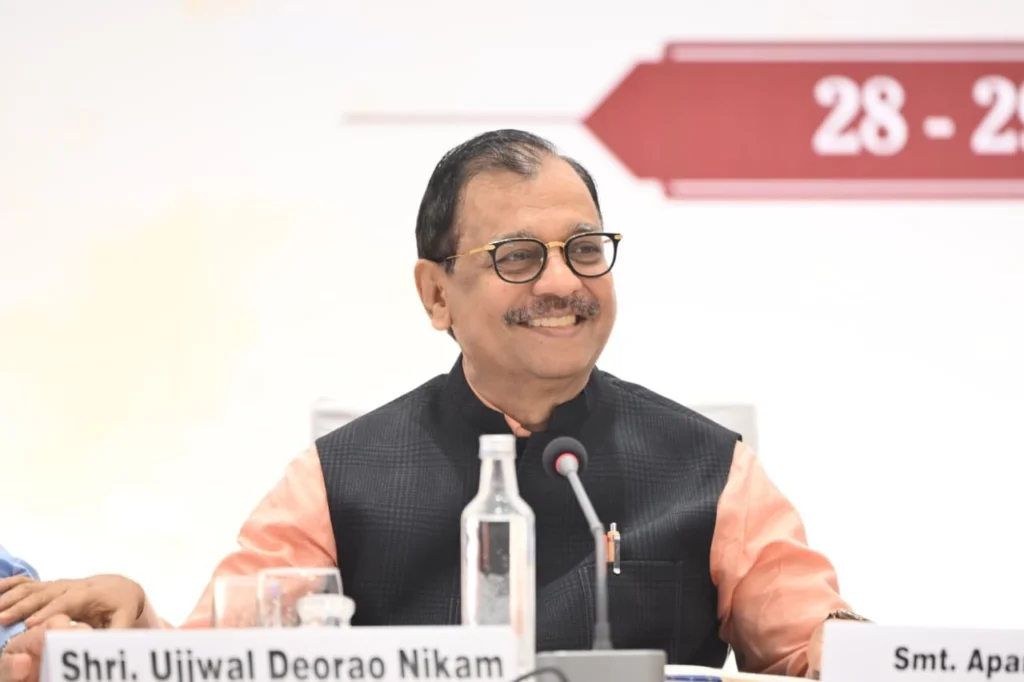
The conferment of the Padma Shri in 2016 placed Nikam among nationally recognized contributors to public affairs. Awards serve symbolic purposes — acknowledging service while elevating public stature.
However, awards also alter perception. They transform individuals into symbols. In Nikam’s case, the Padma Shri reinforced his association with national resilience in the face of terror.
Recognition, however, does not freeze a career. It invites continued scrutiny. Public figures must consistently uphold standards aligned with their symbolic role.
Also Read Detailed Biographies of
Vallari Viraj | Chinmayee Salvi | Pratiksha Shivankar | Nandini Dutta | Megha Shetty | Bhumika Gurung | Vidula Chougule | Purva Kaushik | Kavya Shetty | Navya Tiwari | Prasanna Bisht | Vedika Pinto | Neha Khan | Pavitra Punia | Rasika Sunil | Priyanka Sharma | Roomani Khare | Pamela Mondal | Milind Shinde | Poorva Gokhale | Subodh Bhave | Cara Delevingne | Bergüzar Korel
Chapter 28: The Evolution of India’s Criminal Justice System
To assess Nikam’s legacy fully, one must situate his career within the broader evolution of India’s criminal justice framework.
The 1990s and 2000s witnessed increasing complexity in criminal investigations — including digital evidence, international cooperation, and forensic advancement. Prosecutors had to adapt to these shifts.
In the 26/11 trial, the integration of digital surveillance and forensic science signaled modernization. Prosecutorial strategy evolved accordingly.
Nikam’s ability to operate within this evolving environment reflects adaptability. He bridged traditional courtroom advocacy with contemporary evidentiary demands.
His career thus mirrors a transitional period in Indian criminal jurisprudence — from largely document-driven trials to technologically informed proceedings.
Chapter 29: Public Memory and the Construction of Legacy
Public memory often condenses complex careers into symbolic narratives. For many citizens, Nikam’s name remains associated primarily with the prosecution of Ajmal Kasab and the 1993 blasts case.
Yet legacy extends beyond single trials. It encompasses decades of lesser-known cases, daily preparation, institutional cooperation, and sustained discipline.
In evaluating legacy, several dimensions emerge:
Commitment to constitutional procedure in emotionally charged contexts
Visibility that brought prosecutorial roles into mainstream awareness
Transition into public life through political engagement
Contribution to legal discourse through lectures and interviews
Legacy is rarely unanimous. It is shaped by admiration, critique, and contextual interpretation. Nikam’s career invites balanced reflection rather than simplistic categorization.
Chapter 30: The Enduring Image – Steadiness in Storm
If one were to distill the image of Ujjwal Nikam across decades, a single word might emerge: steadiness.
Born on 30 March 1953 in Jalgaon, Maharashtra, he inherited legal discipline from his father, ‘Deoroji Nikam’. He cultivated prosecutorial precision through years of practice. He stood in courtrooms during moments when national grief demanded accountability. He received the Padma Shri. He entered political life under the Bharatiya Janata Party banner.
Through each phase, a pattern remained: composure anchored in evidence.
In democratic systems, the strength of institutions often depends on individuals who operate within their boundaries without succumbing to excess. Nikam’s career illustrates such operation.
He did not position himself as a revolutionary figure. He functioned within established frameworks. Yet, in doing so, he contributed to reinforcing those frameworks.
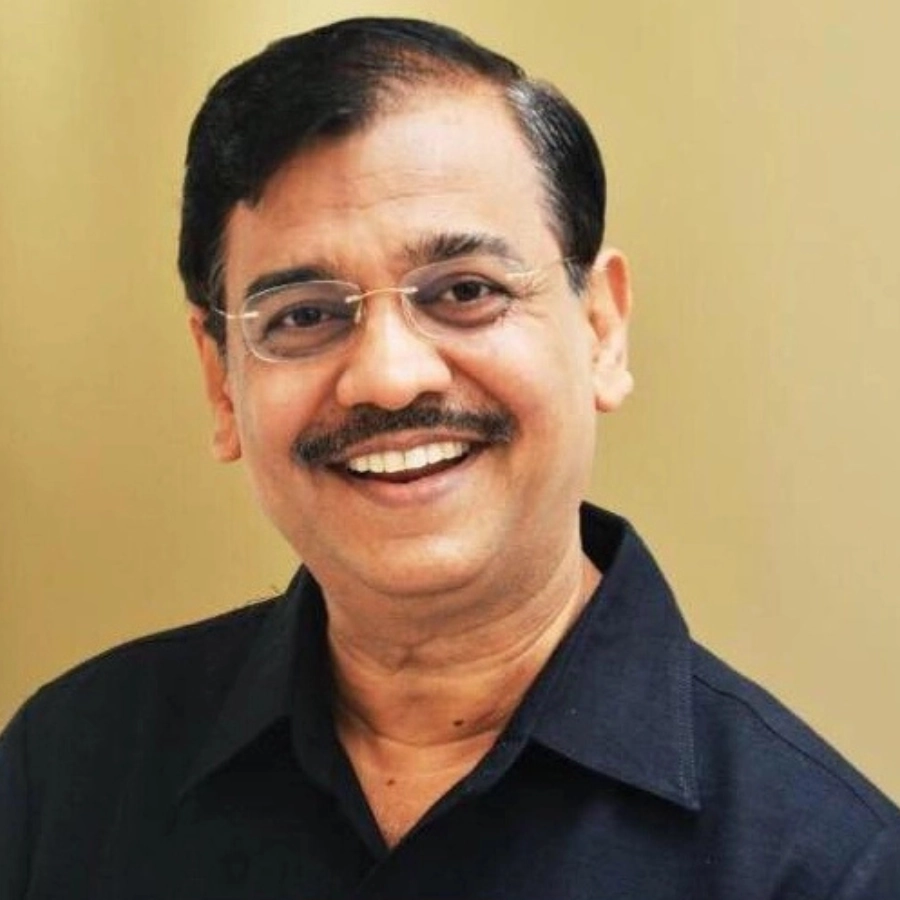
✨ Favourite Things & Hobbies – Ujjwal Nikam
- Favourite Profession: For Ujjwal Nikam, the courtroom has always been more than a workplace — it is a battlefield for justice.
- Favourite Hobby: Reading legal literature and studying landmark judgments remain among his most enduring intellectual passions.
- Favourite Interest: He enjoys staying deeply connected with current affairs, constitutional debates, and national security discussions.
- Favourite Activity: Public speaking and interacting with young law students continue to be close to his heart
- Favourite Pastime: Analysing complex criminal cases and legal strategies has always fascinated him beyond professional obligation
- Favourite Intellectual Pursuit: Understanding the psychology behind crime and courtroom behaviour is something he has long been passionate about
- Favourite Reading Choice: Biographies of great legal minds and constitutional experts often occupy his reading shelf
- Favourite Subject: Criminal law and constitutional jurisprudence remain his strongest academic interests
- Favourite Public Engagement: Participating in legal seminars, interviews, and awareness sessions allows him to connect law with society
- Favourite Relaxation Style: He is known to prefer calm conversations and thoughtful discussions over extravagant social gatherings
- Favourite Topic of Discussion: National security, justice delivery, and judicial accountability are subjects he speaks about passionately
- Favourite Inspiration: Disciplined judges, fearless investigators, and principled lawyers have always inspired his professional journey
- Favourite Viewing Preference: He reportedly prefers news analysis, legal debates, and documentaries over conventional entertainment
- Favourite Professional Experience: Handling landmark prosecutions that shaped India’s legal history remains the defining passion of his career
- Favourite Social Engagement: Mentoring aspiring lawyers and encouraging ethical legal practice continues to motivate him
✨ Some Lesser-Known Facts About Ujjwal Nikam
- Ujjwal Nikam grew up in a legally disciplined household, as his father Deoroji Nikam served as a judge and barrister
- Long before becoming a national legal figure, he spent years quietly building his reputation in Maharashtra’s criminal courts
- He is known for personally studying massive case files in minute detail before stepping into court
- The 1993 Bombay Serial Blasts case became the turning point that transformed him into a nationally recognized prosecutor
- Nikam has often stated that evidence — not emotion — is the real strength of any criminal prosecution
- He is known for his deep interest in criminal jurisprudence and landmark constitutional judgments
- Over the years, he became one of the few Indian prosecutors to achieve nationwide public recognition through media visibility
- He believes that even terrorists must receive a fair trial because constitutional fairness defines democracy
- His courtroom appearances during the Ajmal Kasab trial made him a familiar face across Indian television networks
- Nikam is widely respected for his calm courtroom demeanor, even during emotionally explosive trials
- In 2016, he was honored with the Padma Shri for his contribution to law and public affairs
- He handled several major cases beyond terrorism, including the Shakti Mills gang rape case and the Pramod Mahajan murder trial
- Colleagues often describe him as a prosecutor obsessed with documentation, chronology, and evidentiary precision
- His legal career became closely associated with India’s constitutional response to terrorism and organized crime
- Apart from courtroom litigation, he is also known for delivering lectures on criminal law, justice, and national security
- He has repeatedly emphasized that convictions are meaningful only when they survive appellate scrutiny in higher courts
- The Ajmal Kasab prosecution remains one of the most internationally scrutinized trials of his career
- Despite decades of public visibility, he has largely kept his personal and family life away from excessive media attention
- Several of the cases handled by Nikam changed public conversations around terrorism, women’s safety, and organized crime in India
- His prosecutorial career reflects the transformation of the Indian public prosecutor into a nationally recognized public figure
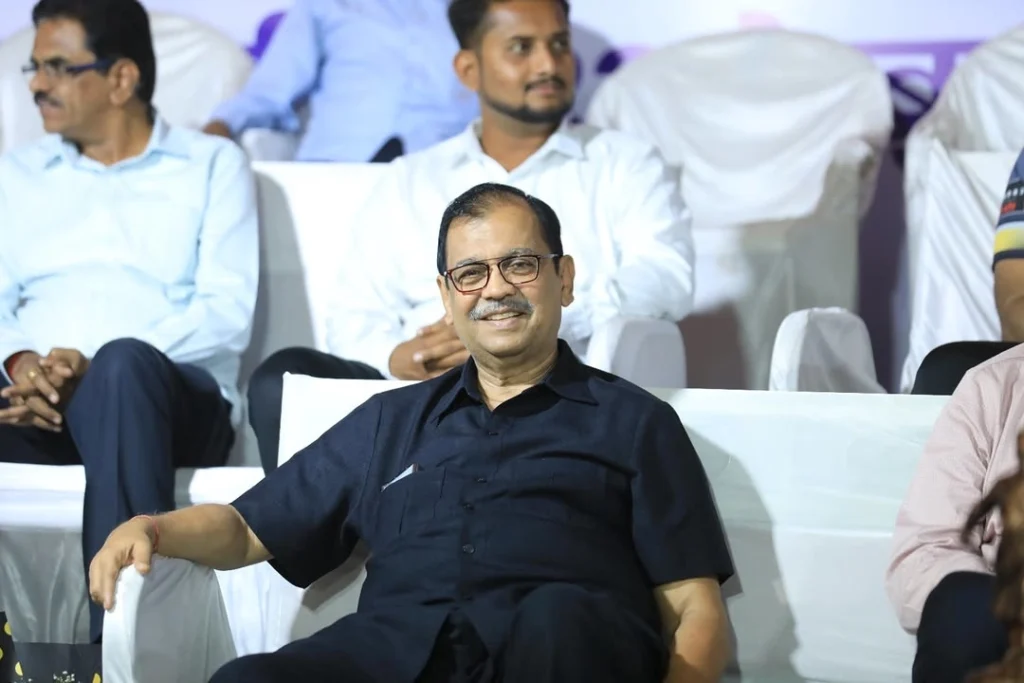
❓ Frequently Asked Questions (FAQs) About Ujjwal Nikam
⚖️ Article Conclusion – The Enduring Legacy of Ujjwal Nikam
The story of Ujjwal Nikam is not merely the story of a lawyer who argued landmark cases in courtrooms. It is the story of a man who stood at the intersection of law, national trauma, public expectation, and constitutional accountability during some of India’s most difficult moments. Across decades of legal service, he became closely associated with the country’s judicial response to terrorism, organized crime, political violence, and socially sensitive criminal cases that shook public conscience.
Born on 30 March 1953 in Jalgaon, Maharashtra, Ujjwal Nikam’s journey from a disciplined legal upbringing to becoming one of India’s most recognized Special Public Prosecutors reflects persistence, preparation, and professional endurance. Under the influence of his father, Deoroji Nikam — a judge and barrister — he inherited not only respect for law but also an understanding that justice demands patience, restraint, and responsibility. Those values later became visible throughout his courtroom career.
What distinguishes Nikam from many legal professionals of his generation is the sheer range and gravity of the cases he handled. From the 1993 Bombay bombings to the prosecution of Ajmal Kasab after the 2008 Mumbai attacks, his work became inseparable from India’s anti-terror legal narrative. Yet his contribution extended far beyond terrorism cases alone. Whether handling the Gulshan Kumar murder case, the Pramod Mahajan murder trial, the Shakti Mills gang rape case, or the Khairlanji massacre proceedings, he repeatedly stepped into courtrooms carrying enormous public expectation and intense media scrutiny.
One of the most defining aspects of his legal philosophy has been his insistence that justice must be rooted in evidence rather than emotion. In a country where sensational criminal cases often generate public outrage and media pressure, Nikam consistently argued that constitutional discipline remains the foundation of legitimate prosecution. According to him, a conviction matters not because it satisfies public anger, but because it survives the scrutiny of law, evidence, and appellate review.
“The courtroom is not driven by hatred; it is driven by evidence”
That principle perhaps best summarizes the essence of his professional identity. Even while prosecuting terrorists accused of mass murder, he maintained that constitutional systems prove their strength through fairness and due process. This belief transformed his role from that of a conventional prosecutor into a symbol of India’s legal resilience during moments of national crisis.
Over time, Ujjwal Nikam also became a uniquely visible public prosecutor. Through interviews, public lectures, media appearances, and legal discussions, he helped bring criminal prosecution into mainstream national conversation. While that visibility occasionally attracted criticism and controversy, it also ensured that ordinary citizens gained deeper insight into judicial procedure, evidentiary standards, and the functioning of India’s criminal justice system.
The recognition he received through the Padma Shri in 2016 reflected not merely his success in individual trials, but the broader public impact of his legal career. The honor acknowledged decades of courtroom service in cases that shaped public memory and national debate. Later, his political association with the Bharatiya Janata Party further expanded his role in public life, taking his voice beyond courtrooms into national political discourse.
At a deeper level, however, the legacy of Ujjwal Nikam lies not in awards, media attention, or political identity. It lies in the consistency with which he approached the law. Throughout emotionally explosive cases, he remained committed to preparation, procedural integrity, and evidentiary precision. His career demonstrated that the strength of prosecution does not come from dramatic speeches, but from disciplined legal strategy built patiently over time.
His journey also mirrors the transformation of India’s criminal justice system itself. Over the decades, prosecutions evolved from largely witness-driven proceedings into technologically sophisticated investigations involving forensic science, digital surveillance, cyber evidence, and international coordination. Nikam’s ability to adapt to these evolving legal landscapes ensured that he remained relevant across generations of criminal litigation.
“Justice is not loud. It is patient, methodical, and deeply accountable”
For aspiring lawyers and young prosecutors, Ujjwal Nikam’s career offers important lessons beyond fame and public recognition. It demonstrates the value of preparation over theatrics, constitutional restraint over emotional reaction, and legal endurance over momentary applause. His story reminds future legal professionals that true courtroom credibility is built over decades, not headlines.
Even today, the mention of Ujjwal Nikam instantly evokes memories of some of India’s most historic criminal trials. His name remains permanently linked with the legal battles that shaped the country’s modern anti-terror judicial framework and high-profile prosecution culture. Whether viewed through admiration, criticism, or analytical debate, his contribution to India’s legal history remains impossible to ignore.
Ultimately, Ujjwal Nikam’s story is the story of a prosecutor who answered violence with law, public outrage with constitutional process, and national tragedy with judicial discipline. In doing so, he became far more than a courtroom advocate — he became a lasting chapter in India’s modern criminal justice narrative.
📌 Key Takeaways from Ujjwal Nikam’s Journey
- One of India’s most recognized Special Public Prosecutors
- Played a defining role in the 1993 Bombay blasts and 26/11 trials
- Known for evidence-driven prosecution and constitutional discipline
- Handled several socially and politically sensitive criminal cases
- Became a national legal figure through courtroom visibility and media engagement
- Honoured with the Padma Shri in 2016
- Strong advocate of procedural fairness even in terrorism trials
- Played a major role in shaping public understanding of criminal prosecution in India
- His legal philosophy emphasized preparation, precision, and appellate sustainability
- Continues to remain one of the most debated and discussed prosecutors in India
🌙 A Poetic Article Conclusion
In courtrooms shadowed by grief and fear,
He stood with law when chaos came near.
Not with anger, nor vengeance untamed,
But with evidence carefully framed.
From Mumbai’s darkest nights to justice’s call,
He carried the Constitution through it all.
And long after the verdicts fade from sight,
His journey will remain — a story of law over might.
Article Sources
- Wikipedia – Ujjwal Nikam
- Wikipedia – 1993 Bombay Bombings
- The Ranveer Show Podcast (Spotify)
- YouTube – India’s Fearless Lawyer: Ujjwal Nikam
- The Caravan – Ujjwal Nikam Profile Feature
- India Today Clip on 1993 Blasts Recollections
- Lokatantra Profile – Ujjwal Nikam
- And also referred other reliable sources from the Internet
Image Credit
For more information, you can visit our website: Neustarz
Read this definitive biography now and discover how Ujjwal Nikam became one of India’s most influential prosecutors — a man who turned evidence into justice and duty into legacy.
🚀 Call To Action (CTA)
Inspired by the extraordinary courtroom journey of Ujjwal Nikam? Explore the complete biography to uncover the untold stories, landmark trials, legal battles, controversies, and defining moments that shaped one of India’s most recognized Special Public Prosecutors. From the 1993 Bombay blasts to the Ajmal Kasab trial, discover how evidence, discipline, and constitutional conviction turned Ujjwal Nikam into a lasting symbol of India’s fight for justice.
👉 Read the full article now and dive deep into the courtroom legacy that changed India’s criminal justice narrative forever.
Latest Posts
- Rasika Wakharkar Age, Biography, Boyfriend, Marriage, Husband, Family, TV Shows, Films, Web-series, Music Videos & More

- Madirakshi Mundle Age, Biography, Boyfriend, Marriage, Husband, Family, TV Serials, Films & More

- Angourie Rice (an Australian Actress & Model) Age, Biography, Boyfriend, Marriage, Husband, Family, Children, Career, Early Life, Education, Net Worth, Life Stories, Films, Television Shows, Web-series & More

- Simone Holtznagel (Australian Fashion Model) Age, Biography, Boyfriend, Marriage, Husband, Family, Early Life, Education, Net Worth, Television Shows & More

- Mariana Tollendal (a Brazilian Singer and Reality Television Personality) Age, Biography, Boyfriend, Marriage, Husband, Family, Children, Career, Early Life, Education, Net Worth, Life Stories, Television Shows, My Korean Boyfriend Series Star, Web-series & More

- Rasha Kirmani (Indian Actress) Age, Biography, Boyfriend, Marriage, Husband, Height, Family, Career, Net Worth, TV Shows, Music Videos, Web Series, Fashion Brand, Unknown Facts & More