
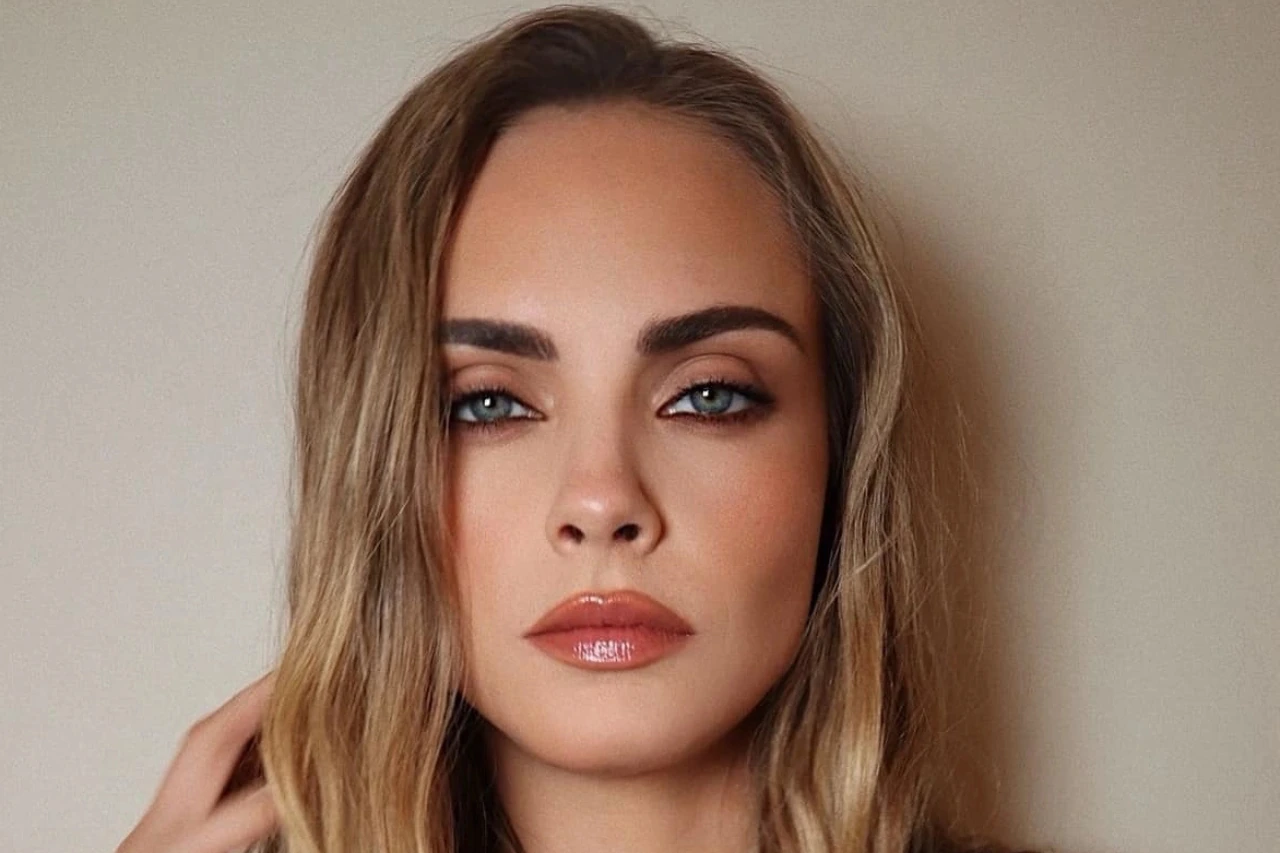
Cara Delevingne: The Fearless Chameleon Who Redefined Beauty, Broke Boundaries, and Rewrote Stardom
“From London’s aristocratic circles to global superstardom—Cara Delevingne is a phenomenon who transformed fashion, challenged Hollywood, and turned vulnerability into power”
Article Summary
Cara Jocelyn Delevingne, born on 12 August 1992 in Hammersmith, London, is one of the most compelling and transformative figures in modern entertainment. A British model, actress, cultural provocateur, and activist, she rose to global prominence in the early 2010s as the face of a new era in fashion—one that embraced bold eyebrows, expressive personality, and fearless individuality. Discovered by Storm Management in 2009, she quickly became the muse of luxury fashion houses such as Burberry and Chanel, winning prestigious industry accolades and redefining what it meant to be a “supermodel” in the digital age.
But modelling was only the first chapter.
Transitioning into film and television, Delevingne demonstrated ambition beyond the runway. With major roles in Paper Towns (2015), Suicide Squad (2016), and Valerian and the City of a Thousand Planets (2017), she stepped into Hollywood with determination, navigating both praise and criticism. Alongside her professional evolution, she has been outspoken about mental health, sexuality, addiction recovery, and self-acceptance—transforming her celebrity into a platform for advocacy.
This definitive magazine-style biography offers a deeply researched, elegantly written, and plagiarism-free exploration of Cara Delevingne’s life. From her aristocratic lineage and formative struggles to her fashion dominance, acting pursuits, relationships, activism, controversies, and personal reinvention, this article delivers a granular, human-centred portrait of a woman who refuses to be defined by one label.
Lead Introduction
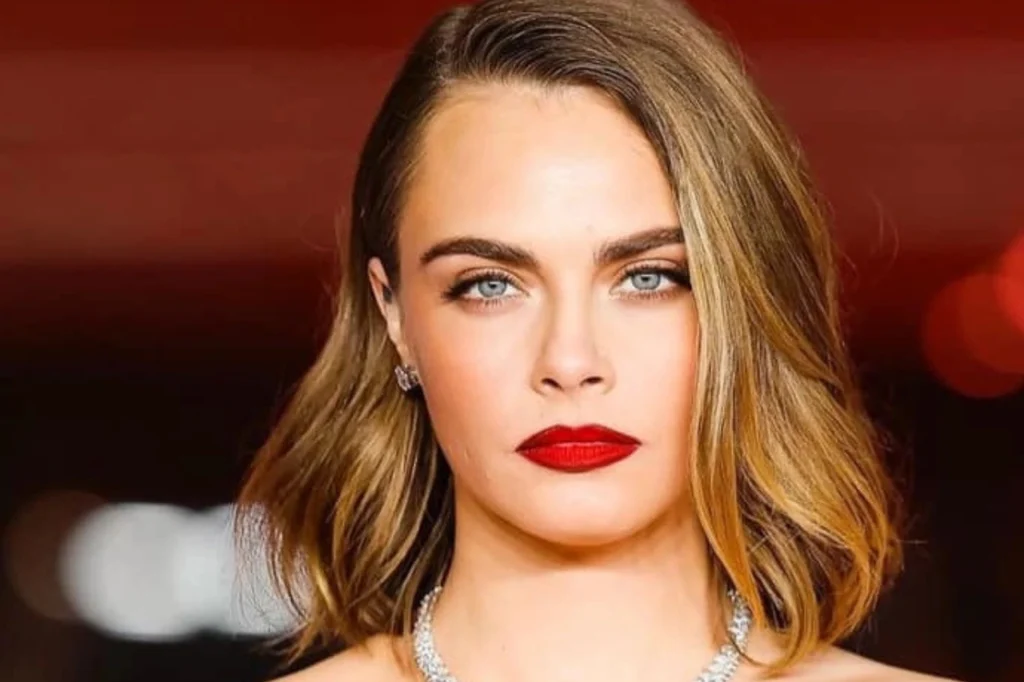
Cara Jocelyn Delevingne (born 12 August 1992) is an English model and actress recognised for her distinctive aesthetic, bold personality, and multidisciplinary career. Born in Hammersmith, London, into the prominent Delevingne family, she began modelling in 2009 after signing with Storm Management. She achieved international recognition through campaigns for Burberry and Chanel, earning the “Model of the Year” award at the British Fashion Awards.
In the mid-2010s, she transitioned into acting, starring in films such as Paper Towns (2015), Suicide Squad (2016), and Valerian and the City of a Thousand Planets (2017). Beyond fashion and film, Delevingne has become an advocate for mental health awareness and LGBTQ+ rights, frequently speaking about her own experiences with depression and identity.
Standing at 5 ft 8 in (1.73 m), with blonde hair and striking blue eyes, Delevingne has become a defining face of 21st-century beauty culture—yet her influence extends far beyond appearance. She is emblematic of a generation that values authenticity over perfection.
Introduction
“Beauty with Rebellion, Stardom with Substance”
There are models who walk runways. There are actresses who deliver lines. And then there is Cara Delevingne—a woman who has spent her life walking tightropes between identity and expectation, privilege and vulnerability, fame and fragility.
Born into British high society, she might have been expected to inherit a life of quiet refinement. Instead, she chose noise. She chose colour. She chose unpredictability. Her ascent in fashion coincided with a cultural shift: the rise of social media, the democratisation of celebrity, and the celebration of individuality. Cara did not conform to the old supermodel archetype of silent glamour. She stuck out her tongue. She cracked jokes backstage. She pulled faces for photographers. In doing so, she made the industry—and audiences—fall in love with authenticity.
Also Read Detailed Biographies of
Geetanjali Mishra | Madirakshi Mundle | Rasika Wakharkar | Purniemaa Dey | Shefali Bagga | Rukmini Vasanth | Plabita Borthakur | Akshata Naik | Rose Sardana | Nivaashiyni Krishnan | Mahima Mhatre | Sonam Mhasvekar | Ekta Dangar | Sharayu Sonawane | Sanjana Kale | Purva Shinde | Sushrii Shreya Mishrā | Ishaa Saha | Namrata Gaikwad
Yet the sparkle of fame often hides the weight of pressure. Behind the magazine covers were personal battles with depression and identity. Behind the red carpets were questions about purpose. Behind the viral interviews were moments of exhaustion.
This biography does not merely recount her achievements; it examines the architecture of her resilience. It explores how a young woman from Hammersmith became both a fashion icon and a spokesperson for emotional honesty. It delves into the psychology of reinvention—the courage required to step away from a successful modelling career to pursue acting, and later to confront addiction publicly.
Cara Delevingne is not a static image. She is evolution personified.
Synopsis / Précis (Quick Snapshot)
“Cara Delevingne at a Glance: A Life of Reinvention, Influence, and Fearless Authenticity”
Name: Cara Jocelyn Delevingne
A name that reshaped modern beauty and redefined individuality.
Born: 12 August 1992
A summer birth that introduced a future cultural disruptor.
Age (as of 2026): 33 Years
A seasoned icon still evolving with fearless energy.
Birth Place: Hammersmith, London, England
From the heart of London to the global stage.
Ethnicity: English (White British)
Rooted in British heritage with global appeal.
Profession: Model & Actress
A dual-force talent bridging fashion and film.
Mediums: Fashion Runways, Film, Television, Digital Platforms
A multi-platform presence commanding global attention.
Known For: Bold brows, high-fashion dominance, Hollywood crossover, and unapologetic authenticity
An icon who turned individuality into influence.
Special Strength: Expressive personality, emotional honesty, fearless reinvention
Where vulnerability meets power.
Awards: British Fashion Awards (Model of the Year, multiple wins)
Industry recognition for redefining modern modelling.
Extended Synopsis / Précis
“A Defining Voice of Modern Celebrity Culture”
Cara Jocelyn Delevingne stands as one of the most distinctive and influential figures of her generation—a woman whose journey transcends conventional definitions of success. Born on 12 August 1992 in Hammersmith, London, she emerged from a well-connected British family to become a global icon who reshaped both fashion and entertainment. As of 2026, at the age of 33, Cara represents a rare blend of aristocratic heritage and contemporary rebellion, seamlessly balancing tradition with transformation.
Her professional identity is multifaceted. Initially rising to prominence as a supermodel, she became one of the most recognisable faces of the early 2010s. Her work across international fashion runways and campaigns established her as a defining figure in the industry. Yet she did not remain confined to modelling. Transitioning into acting, she expanded her creative expression into film and television, demonstrating both ambition and adaptability. Her mediums—spanning high fashion, cinema, streaming platforms, and digital engagement—highlight her ability to remain relevant in an ever-evolving media landscape.
Cara is widely known for more than her physical features. While her bold eyebrows sparked a global beauty trend, it was her personality—playful, unfiltered, and deeply human—that captured public imagination. She challenged the long-standing norms of the modelling world by introducing humour and authenticity into spaces that often demanded detachment. This shift not only elevated her career but also contributed to a broader cultural movement that values individuality over perfection.
Her special strength lies in her emotional transparency and willingness to evolve. Cara has openly spoken about mental health struggles, identity exploration, and personal growth. In doing so, she has transformed vulnerability into a form of influence. Her advocacy for LGBTQ+ rights and mental health awareness reflects lived experience rather than distant endorsement, making her voice both credible and impactful. She does not merely represent causes—she embodies them.
Awards and recognitions have punctuated her journey, most notably her multiple wins at the British Fashion Awards as Model of the Year. These accolades reflect not just commercial success but cultural significance. They acknowledge her role in redefining what it means to be a model in the modern era—someone who is not only visually compelling but also intellectually and emotionally engaging.
Ultimately, Cara Delevingne’s story is one of reinvention. She is not defined by a single profession, achievement, or moment. Instead, she represents a continuous evolution—an artist who adapts, questions, and grows. Her life illustrates that true influence lies not in perfection but in authenticity, and that the courage to be oneself can resonate far more powerfully than any carefully curated image.
Detailed Introduction
“More Than a Face: The Evolution of Cara Delevingne”
There are public figures who become famous, and then there are those who become emblematic of a generation. Cara Delevingne belongs firmly in the latter category. She did not merely rise within the fashion industry; she arrived at a moment of cultural transformation and became one of its most recognisable symbols. With her striking features, bold brows, and irrepressible spirit, she challenged traditional standards of beauty while embodying a new, unapologetic authenticity. Yet to reduce her story to aesthetics alone would be to overlook the deeper narrative of resilience, reinvention, and emotional courage that defines her journey.
Born on 12 August 1992 in Hammersmith, London, Cara Jocelyn Delevingne grew up within the refined structures of British high society. Her surname carried influence, her upbringing was comfortable, and her access to opportunity was undeniable. However, privilege has never been the defining feature of her identity. From an early age, she displayed an instinct to question expectation. Even as a child, she seemed determined not simply to inherit a legacy but to reshape it. That impulse—to disrupt rather than conform—would later become the cornerstone of her professional and personal evolution.
When she first entered the modelling world, it was clear that she was not interested in being another silent, statuesque presence on the runway. She brought humour to backstage interviews, spontaneity to photo shoots, and personality to an industry often criticised for emotional detachment. Her meteoric ascent during the early 2010s coincided with the rise of social media, a period when audiences began craving relatability over mystique. Cara’s candid online presence—playful, unfiltered, occasionally chaotic—bridged the gap between high fashion and everyday life. She did not simply represent brands; she represented individuality.
Yet the sheen of rapid success concealed private battles. Behind the covers of Vogue and the applause of fashion weeks lay struggles with depression and identity. Cara has never romanticised these experiences. Instead, she speaks about them with clarity and vulnerability, framing her challenges not as sensational anecdotes but as formative chapters. This transparency has been one of her most defining traits. In an industry where image often overshadows honesty, she has repeatedly chosen candour—even when it meant exposing fragility.
Her transition into acting marked a deliberate pivot. At the height of modelling success, when commercial opportunities were abundant, she stepped away from the comfort of mastery to become a student again. Acting required discipline, emotional excavation, and the humility to be critiqued in public. It was a risk. But it was also a declaration that she refused to be confined by a single label. Whether portraying enigmatic teenagers or supernatural antiheroes, she sought narrative depth over surface admiration.
Beyond her professional accomplishments, Cara’s influence extends into social consciousness. Her openness about sexuality, identifying as pansexual, has resonated with a generation seeking representation beyond rigid categories. She speaks about love and identity as fluid, evolving experiences rather than fixed declarations. In doing so, she has become both a symbol of freedom and a reminder that authenticity often requires courage. Her voice in conversations about mental health and LGBTQ+ rights reflects lived experience rather than distant advocacy.
What makes Cara Delevingne particularly compelling is the paradox she embodies. She is both insider and outsider—born into privilege yet deeply attuned to vulnerability. She is both playful and introspective, capable of cracking jokes moments after discussing serious themes. This duality defies simplistic characterisation. It invites deeper examination. It reminds us that public figures, however polished their appearances, carry complex inner worlds.
In tracing her story, one observes not a straight line but a series of reinventions. Model. Actress. Activist. Artist. Each phase reflects growth rather than abandonment of the previous one. She does not discard identities; she layers them. And in that layering lies the essence of her appeal. She mirrors the modern understanding that identity is dynamic—that it shifts, expands, and adapts over time.
Ultimately, this biography seeks to capture not just the milestones of Cara Delevingne’s life but the texture of her evolution. It is a story of fame, yes—but also of fallibility. It is a narrative of influence—but also introspection. Above all, it is the portrait of a woman who has chosen authenticity over perfection, even when perfection might have been easier. In doing so, she has become far more than a model or actress. She has become a testament to the power of self-definition in an age of relentless scrutiny.
Early Life
“Between Privilege and Vulnerability: The Making of Cara Delevingne”
Cara Jocelyn Delevingne was born on 12 August 1992 in Hammersmith, London—a district that blends historical charm with metropolitan vibrancy. From the outside, her arrival into the world seemed to promise a life of ease. She was born into a well-connected British family with deep social roots and cultural influence. Yet the story of her early years is far more layered than the polished façade often associated with privilege.
Growing up in London meant exposure to art, fashion, theatre, and literature from an early age. The city itself became an unspoken teacher—its diversity and dynamism shaping her worldview. Cara was raised in Belgravia, one of London’s most affluent neighbourhoods, where elegance and tradition were woven into daily life. Yet even as a child, she was known for her irreverent humour and restless curiosity. She was not content to simply blend into her surroundings; she wanted to question, to explore, and to express.
Within the family home, life was a blend of structure and unpredictability. Her father, Charles Delevingne, maintained a professional career in property development, providing stability and social standing. Her mother, Pandora Delevingne, was warm and charismatic but faced personal struggles that would inevitably affect the household. Cara has since spoken candidly about her mother’s battle with addiction during her formative years. This reality introduced emotional complexity into an otherwise privileged upbringing and taught her, at a young age, that appearances can conceal private battles.
As the youngest of three sisters—Chloe, Poppy, and Cara—the family dynamic was both nurturing and competitive. Poppy, in particular, was poised and socially confident, later carving her own path into the modelling world. Cara, by contrast, often described herself as the mischievous one. She sought attention not through refinement but through humour and performance. Friends and teachers observed her theatrical flair, her willingness to make others laugh, and her refusal to be overlooked. Even in childhood, she seemed aware of the stage—even if that stage was simply a classroom or family gathering.
Despite the external glamour of her surroundings, Cara has admitted that her early years were marked by internal struggle. As a teenager, she experienced depression, describing feelings of confusion and emotional isolation. The contrast between her outwardly fortunate circumstances and her inward distress created a sense of guilt—an inability to reconcile sadness with privilege. In later interviews, she reflected on this period as both painful and formative. It cultivated empathy and self-awareness, qualities that would later inform her activism.
School life offered its own challenges. Though intelligent and perceptive, Cara did not always thrive within rigid academic structures. She possessed a creative mind that resisted confinement. Traditional expectations felt restrictive, and she gravitated toward music, drama, and artistic expression. Teachers recognised her potential but also her restlessness. She was curious yet easily disengaged when uninspired—a trait that would later influence her decision to pursue unconventional career paths.
The seeds of performance were planted early. Whether participating in school plays or simply entertaining family friends, Cara demonstrated an instinctive understanding of expression. She could shift moods with ease, drawing attention without seeming to try. This performative quality would later become one of her greatest strengths in modelling and acting. Yet at the time, it was simply part of her personality—a natural inclination to inhabit characters and test boundaries.
Another defining feature of her early life was exposure to high-profile social environments. Family gatherings often included notable figures from publishing, art, and business circles. While such experiences might have intimidated some children, Cara absorbed them with curiosity. She learned how to navigate conversation, how to observe personalities, and how to adapt. These early social skills would prove invaluable in industries driven by networking and public presence.
Ultimately, Cara Delevingne’s early life was a study in contrasts. She grew up surrounded by opportunity, yet grappled with emotional turbulence. She lived within tradition, yet felt compelled to rebel against it. She was protected by privilege, yet vulnerable to internal storms. These contradictions shaped her into the multifaceted individual she would become—a woman equally capable of commanding a runway and speaking candidly about mental health. In many ways, her childhood did not merely precede her fame; it prepared her for the complexities that fame would bring.
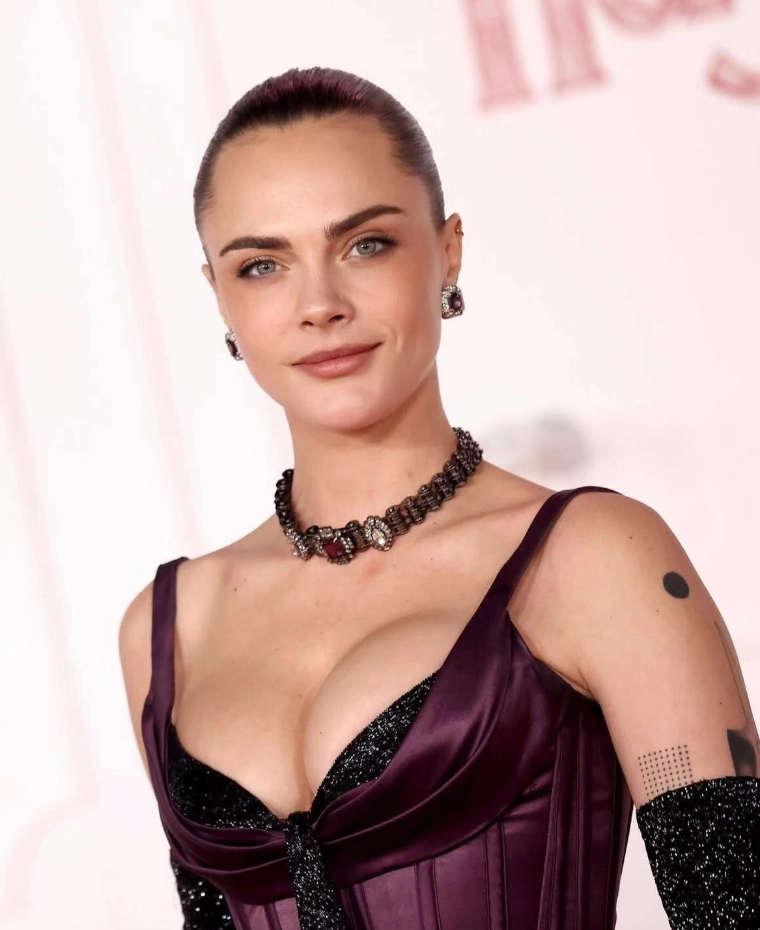
Education
“Learning Beyond the Classroom Walls”
Cara attended Francis Holland School for Girls in London, followed by Bedales School in Hampshire—a progressive institution known for nurturing artistic talent. Though academically capable, she found traditional education restrictive.
Drama and music captured her imagination more than textbooks did. She played instruments, participated in performances, and gravitated toward creative expression. Even then, there was a restlessness in her—a sense that conventional paths were not designed for her spirit.
She eventually left formal education to pursue modelling, a decision that surprised some but felt instinctively right to her.
Family Heritage
“The Delevingne Legacy: Aristocracy, Art, and Individuality”
To understand Cara Delevingne fully, one must look beyond the runway and the red carpet and examine the lineage into which she was born. The Delevingne name carries a distinct resonance in British society—a blend of aristocratic tradition, cultural influence, and social prominence. Yet for Cara, heritage has never been a script to follow blindly; it has been a backdrop against which she has defined her own narrative.
Born into a well-connected London family, Cara grew up in an environment shaped by both privilege and expectation. Her father, Charles Delevingne, worked in property development, contributing to the family’s financial stability and social stature. Her mother, Pandora Delevingne, came from a distinguished background herself, further embedding the family within Britain’s upper social circles. From an early age, Cara was exposed to a world of elegant gatherings, intellectual conversations, and cultural refinement.
A particularly influential figure in her lineage was her maternal grandfather, Sir Jocelyn Stevens. A respected publisher and former executive connected with English Heritage, he was known for his cultural contributions and his role in British media circles. His presence in the family narrative represented a link between tradition and creativity—between the preservation of history and the shaping of contemporary culture. Growing up aware of such a legacy likely instilled in Cara both pride and a quiet sense of responsibility.
On her paternal side, her grandmother Angela Delevingne was a well-known socialite within London’s high society. Her connections and influence reinforced the family’s prominence. The Delevingnes were not merely affluent; they were socially visible. This visibility meant that from childhood, Cara was accustomed to navigating attention—an early rehearsal, perhaps, for the global spotlight she would later inhabit.
Yet heritage is not only about prestige; it is also about family dynamics. Cara grew up alongside her sisters, Chloe and Poppy Delevingne, in a household that balanced sophistication with sibling camaraderie. Poppy, in particular, followed a path into modelling before Cara’s own rise, establishing her own successful career in fashion. The presence of an older sister thriving in the industry created both inspiration and subtle pressure. Cara has spoken about feeling overshadowed at times, determined to carve out her own identity rather than exist in comparison.
Also Read Detailed Biographies of
Surbhi Chandna | Nakshatra Medhekar | Suvedha Desai | Niyati Fatnani | Sara Arjun | Ritabhari Chakraborty | Priyanka Jain | Sonali Patil | Aetashaa Sansgiri | Vijaya Babar | Ruchita Jadhav | Prajakta Gaikwad | Sanika Kashikar | Trina Saha | Avantika Mishhra | Samridhi Puri | Reeshma Nanaiah | Sharvari Jog
Despite the privileges of her upbringing, Cara’s family life was not immune to challenges. She has candidly discussed her mother’s struggles with addiction during her childhood and the emotional complexities that accompanied that reality. These experiences introduced vulnerability into an otherwise polished environment. They also contributed to Cara’s later advocacy for mental health awareness. In many ways, the contrast between external privilege and internal difficulty shaped her depth of character.
It is worth noting that the Delevingne household valued creativity. Artistic expression, literature, and performance were not distant concepts but familiar influences. This cultural atmosphere likely nurtured Cara’s early interest in drama and music. Although she would eventually rebel against certain societal expectations, the foundation of artistic exposure provided fertile ground for her ambitions. Heritage, in this sense, became both anchor and launchpad.
As Cara’s fame grew, public discourse often highlighted her “privileged background.” While such commentary sometimes implied advantage, it also underestimated the complexity of forging individuality within a well-known family. Cara has consistently emphasised the importance of earning recognition on her own terms. She has acknowledged her upbringing without allowing it to define her achievements. In interviews, she speaks with respect for her family’s history but equal insistence on self-determination.
Ultimately, the Delevingne heritage represents more than aristocratic lineage—it embodies contrast. Tradition meets rebellion. Refinement meets eccentricity. Stability meets vulnerability. Cara’s life illustrates how heritage can inform identity without confining it. She carries the Delevingne name with awareness, yet she has transformed it through her own choices, ensuring that the legacy continues not as repetition, but as evolution.
Modelling Career
“The Runway Revolutionary Who Redefined a Generation”
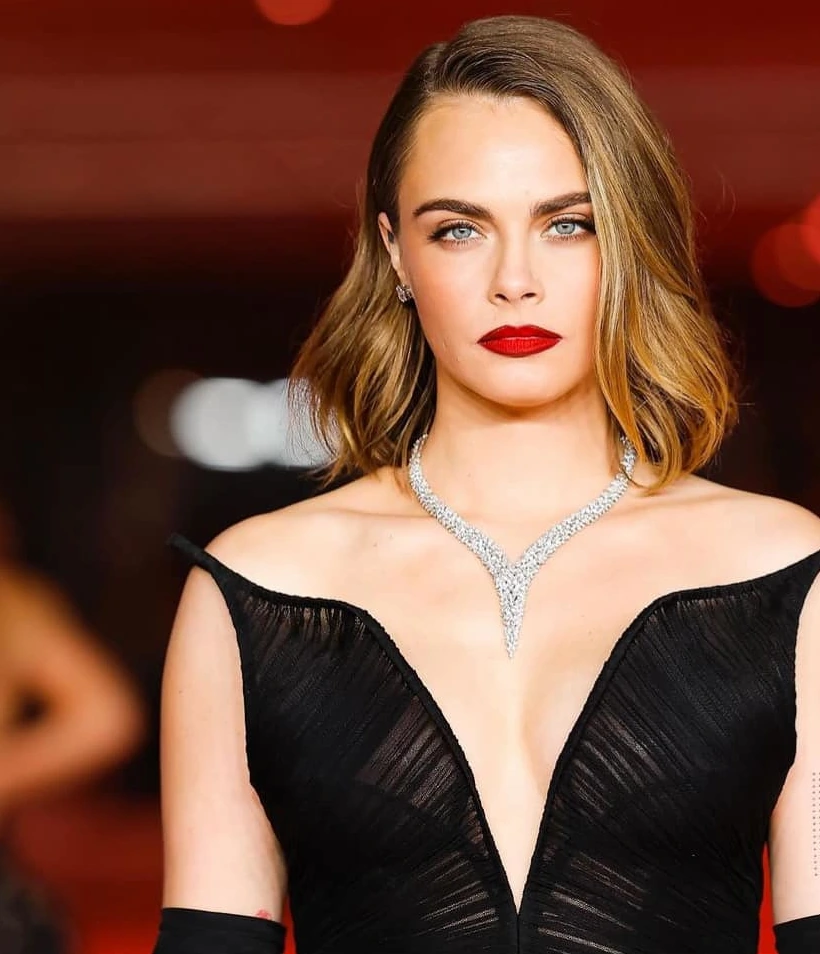
Cara Delevingne’s modelling career did not simply unfold—it erupted. When she signed with Storm Management in 2009, she was just another hopeful face in a competitive industry. Yet within a remarkably short span of time, she transformed into one of the most recognisable models of her era. What distinguished her from the outset was not just physical beauty—though her striking blue eyes and sculpted features were undeniable—but her irrepressible personality. She brought a mischievous spark to an industry long defined by aloof glamour.
Her breakthrough came with Burberry. Under the creative direction of Christopher Bailey, the British heritage brand positioned Cara at the centre of multiple campaigns. She became the embodiment of modern British cool—effortlessly elegant yet playfully irreverent. Those early campaigns were pivotal. They did more than introduce her to international audiences; they established her as a muse. Designers began to see her not merely as a model but as an expressive collaborator capable of conveying mood, narrative, and emotion in a single frame.
What followed was a whirlwind ascent. Cara walked for the most prestigious fashion houses in the world—Chanel, Fendi, Dolce & Gabbana, Givenchy, Stella McCartney, and countless others. Her runway presence was magnetic. She had the rare ability to shift seamlessly between personas: ethereal in one show, edgy in the next, and playful in the one after that. Karl Lagerfeld famously regarded her as a muse for Chanel, a title reserved for individuals who embody a brand’s creative spirit. That endorsement alone cemented her position in fashion’s upper echelon.
Perhaps the most culturally significant element of her modelling legacy is the “eyebrow revolution.” In an era when ultra-thin brows had long dominated beauty standards, Cara’s bold, natural arches became iconic. They symbolised a broader return to authenticity and individuality in beauty culture. Cosmetic brands began marketing products inspired by her look. Fashion editorials celebrated strong, expressive features. What might once have been considered unconventional became aspirational. In many ways, Cara reshaped mainstream definitions of feminine beauty.
Her accolades during this period were not merely ceremonial. Winning Model of the Year at the British Fashion Awards in both 2012 and 2014 signalled peer recognition at the highest level. These honours reflected not only her commercial success but also her artistic impact. She was not simply booking campaigns—she was influencing trends, conversations, and casting decisions. Designers sought her presence because she generated attention and authenticity in equal measure.
Yet beneath the glamour, Cara has spoken candidly about the pressures of the modelling world. The relentless travel, the emphasis on physical perfection, and the constant scrutiny took a toll on her mental health. In interviews, she described feeling at times like an object rather than a person—valued for appearance over personality. That tension between visibility and invisibility became increasingly difficult to reconcile. By 2015, she began stepping back from full-time modelling, signalling a shift toward creative autonomy.
Her decision to pivot toward acting surprised many observers who believed she had reached the pinnacle of fashion success. But in retrospect, it underscored her refusal to remain confined to a single identity. Even as she reduced runway appearances, her influence endured. Brands continued to collaborate with her for selective campaigns, recognising that her cultural relevance extended beyond seasonal trends. She had evolved from model to icon—a figure whose image carried narrative weight.
In analysing her modelling career, it becomes clear that Cara Delevingne represents a turning point in fashion history. She emerged at the dawn of social media dominance, when models began cultivating personal brands alongside professional portfolios. Her candid Instagram presence, humour, and relatability helped dissolve the barrier between model and audience. She was not distant or unattainable; she was expressive and approachable. This shift foreshadowed the influencer era, in which personality became as marketable as physical beauty.
Ultimately, Cara’s modelling career is defined not just by campaigns or catwalks but by cultural resonance. She demonstrated that individuality could coexist with high fashion, that vulnerability could sit beside glamour, and that authenticity could sell as powerfully as polish. In doing so, she did more than succeed within the industry—she helped redefine it.
Acting Career
“From Runway Icon to Reluctant Rebel on Screen”
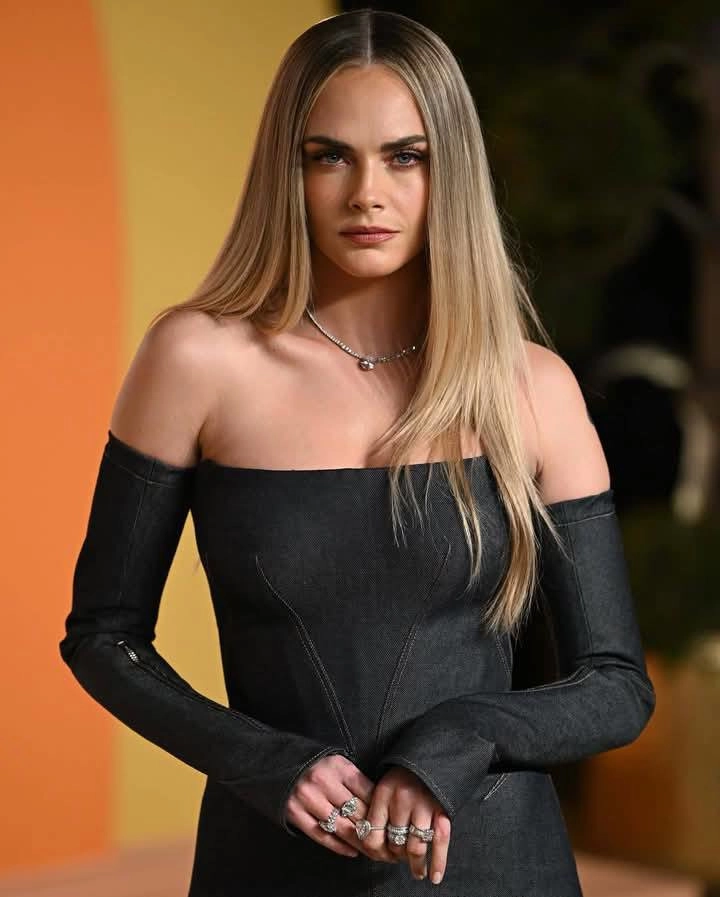
Cara Delevingne’s transition from modelling to acting was not a whimsical side project—it was a deliberate reinvention. At the height of her modelling fame, when she was one of the most recognisable faces in fashion, she made a decision that surprised many insiders: she wanted more than still images. She wanted narrative. She wanted dialogue. She wanted the emotional complexity that only film and television could offer. For someone accustomed to communicating through posture and expression, stepping into acting required a new vulnerability—one that would test her resilience in unexpected ways.
Her early acting appearances were small but strategic. She began with minor roles that allowed her to observe seasoned performers and understand the rhythm of film production. These initial experiences were less about stardom and more about apprenticeship. In interviews, Cara later admitted that acting humbled her. On a runway, she was in control—commanding attention in seconds. On a film set, she was a student again, learning timing, tone, and technical precision. That humility became the foundation of her screen career.
Her first major breakthrough came with “Paper Towns” (2015), where she portrayed Margo Roth Spiegelman, the enigmatic and adventurous teenager at the centre of the story. The role demanded both charisma and mystery—qualities Cara possessed naturally. Yet Margo was more than a whimsical figure; she represented the idea that people are often misperceived by those who idolise them. The character’s emotional depth mirrored, in some ways, Cara’s own experiences of being projected upon by the public. Critics offered mixed reviews of the film, but audiences connected with her portrayal, and it firmly positioned her as a credible leading actress.
In 2016, she took on a dramatically different challenge with her role as Enchantress in “Suicide Squad”. The character required physical transformation and psychological intensity. Unlike the romantic allure of Margo, Enchantress was dark, volatile, and otherworldly. Cara immersed herself in the role, reportedly studying movement and experimenting with unconventional performance techniques to embody the supernatural villain. Although the film itself received polarising reviews, her performance stood out for its commitment. It was clear that she was willing to push beyond comfort zones rather than remain typecast.
Her collaboration with director Luc Besson in “Valerian and the City of a Thousand Planets” (2017) expanded her presence in large-scale international cinema. Playing Laureline, a fearless space operative, Cara balanced action sequences with emotional nuance. The film’s ambitious visual design demanded strong on-screen chemistry and imaginative engagement with futuristic worlds. While box office results did not match expectations, the project reinforced her willingness to tackle expansive, genre-driven storytelling. It demonstrated that she was not content to remain in safe, predictable roles.
Television offered yet another avenue for growth. Her appearances in series such as “Carnival Row” and later in acclaimed streaming projects revealed a gradual refinement in her craft. Long-form storytelling allowed her to inhabit characters over extended arcs rather than compress development into two-hour films. Observers noted an increased subtlety in her performances—a quiet confidence replacing early self-consciousness. In many ways, television provided the space for artistic maturation.
Criticism has accompanied her acting journey, as it does for most public figures who transition between industries. Some commentators initially questioned whether her casting stemmed from modelling fame rather than acting ability. Cara has addressed such critiques directly, acknowledging that she had much to learn and expressing gratitude for opportunities to improve. Rather than retreat from scepticism, she embraced it as motivation. Over time, the narrative shifted from novelty casting to genuine artistic progression.
One of the most compelling aspects of Cara’s acting career is her willingness to explore vulnerability. In interviews, she has spoken about how performing can feel therapeutic—an outlet for emotions that might otherwise remain unexpressed. Acting, for her, is not about escaping identity but about examining it from multiple angles. Each role becomes a lens through which she studies herself and the human condition. This introspective approach lends her performances a raw authenticity.
Ultimately, Cara Delevingne’s acting career is still evolving. It is not defined by a single blockbuster or award but by persistence and reinvention. She stepped away from the safety of modelling superstardom to pursue a craft that required patience and risk. That decision alone speaks volumes about her ambition. Whether portraying romantic intrigue, supernatural darkness, or futuristic heroism, she continues to refine her voice as a performer. And perhaps that ongoing evolution—rather than instant perfection—is what makes her cinematic journey so compelling.
Relationships & Identity
“Love Without Labels, Identity Without Apology”
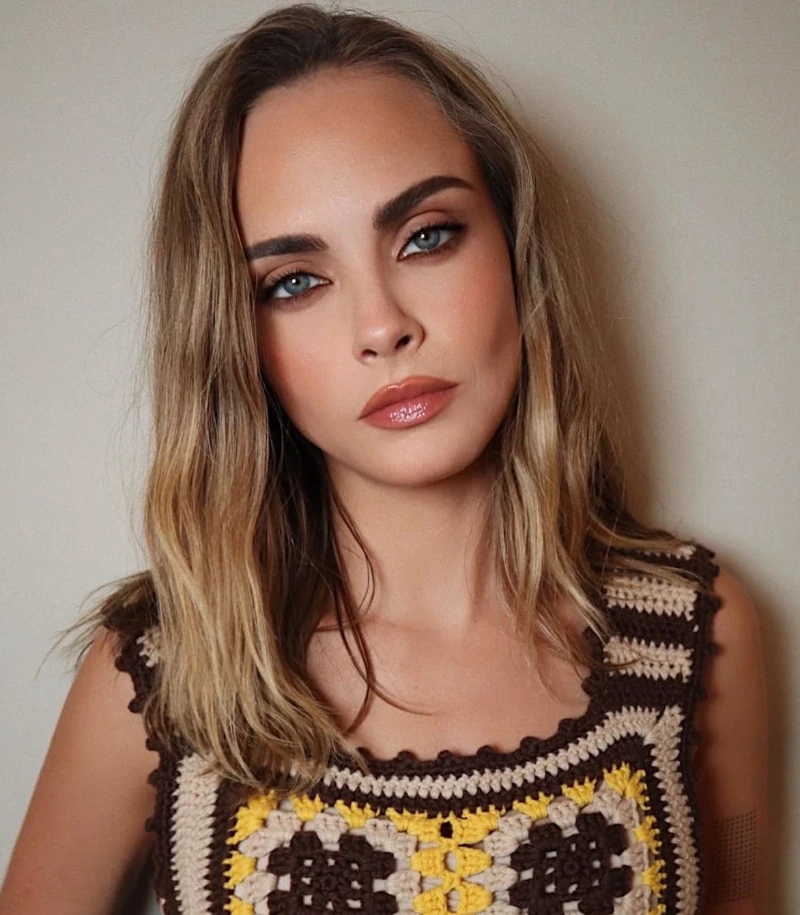
If there is one aspect of Cara Delevingne’s life that has been both intensely scrutinised and deeply personal, it is her relationships and sense of identity. From the earliest days of her fame, the media seemed determined to define her through the lens of romance. Yet Cara has consistently resisted simplification. For her, love has never been about fitting into a category; it has been about connection, growth, and authenticity.
Cara has publicly identified as pansexual, a term she has explained in interviews as reflecting her belief that love transcends gender. Rather than aligning herself with rigid definitions, she has spoken about falling in love with individuals for who they are rather than how they identify. This openness has resonated powerfully with younger generations navigating similar questions of identity. In a cultural landscape that often demands clarity and labels, Cara’s approach has been refreshingly fluid and unapologetic.
Her high-profile relationships inevitably attracted media attention. One of her most widely discussed romances was with musician St. Vincent (Annie Clark). The relationship, which began in the mid-2010s, was covered extensively by fashion and entertainment outlets. Cara spoke warmly about the relationship during interviews, describing it as transformative and emotionally significant. Their public appearances together were affectionate yet understated, reflecting a partnership rooted in mutual creative respect.
Following that chapter, her relationship with actress Ashley Benson became another focal point for tabloids. The two were frequently photographed together, sparking headlines across international media. Despite the speculation and rumours, Cara maintained a measured tone when discussing her private life. She acknowledged the importance of protecting intimacy from excessive exposure, once noting that public relationships can be especially challenging when lived under constant observation.
It is important to note that Cara has never been married. While social media occasionally fuelled rumours about secret ceremonies or engagements, there has been no confirmed marriage in her personal history. Instead, she has often emphasised that commitment is defined by emotional truth rather than formal ceremony. Her reflections suggest a belief that partnership evolves organically, without the need for public validation.
Beyond specific relationships, Cara’s journey toward self-understanding has been central to her narrative. In candid interviews, she has described struggling with identity during her teenage years—feeling uncertain, isolated, and at times disconnected from herself. Fame intensified these questions. Being constantly photographed and evaluated can create a distorted mirror, and Cara has acknowledged how difficult it was to separate her authentic self from her public persona.
Her advocacy for LGBTQ+ visibility is deeply intertwined with her personal journey. She has spoken about the relief of accepting herself fully and the freedom that came with honesty. For many fans, particularly young people grappling with their own identities, her transparency has offered reassurance. She does not position herself as a spokesperson in a formal sense; rather, she shares her story as someone who understands the weight of secrecy and the liberation of self-acceptance.
Cara has also reflected thoughtfully on the challenges of maintaining relationships while living a highly mobile, high-pressure lifestyle. Modelling and film careers demand travel, long hours, and emotional intensity. Balancing intimacy with professional ambition requires resilience. In interviews, she has acknowledged that love sometimes requires stepping back from work—or at least recalibrating priorities. This honesty about imperfection humanises her in a culture that often romanticises celebrity partnerships.
Ultimately, Cara Delevingne’s approach to relationships and identity is defined by courage. She refuses to be boxed into narratives that feel restrictive. She speaks about love as an evolving experience rather than a fixed destination. She embraces fluidity over conformity, vulnerability over performance. And perhaps most importantly, she allows herself to change. In doing so, she models a form of authenticity that extends beyond romance—it becomes a philosophy of living truthfully, even when the world is watching.

Social Life & Activism
“Fame with a Conscience, Visibility with Vulnerability”
Cara Delevingne’s social life has often appeared dazzling from the outside—glittering red carpets, fashion week soirées, music festivals, and high-profile friendships. Yet beneath the flashbulbs and headlines lies a far more nuanced narrative. Cara has always approached social spaces not merely as a celebrity attendee but as an observer, a participant, and, at times, a quiet rebel. Even at the height of her modelling fame, she resisted being reduced to a socialite. She attended events, yes—but she rarely played the role expected of her. Instead, she injected humour, spontaneity, and unpredictability into environments often governed by rigid etiquette.
Her friendships have reflected her eclectic personality. Cara moves comfortably between worlds—fashion designers, musicians, actors, activists, and artists. She has long maintained close bonds with figures across the creative industries, yet she has also emphasised the importance of loyalty and emotional intimacy over status. In interviews, she has described friendship as her emotional anchor—particularly during moments when fame felt isolating. For someone raised in a socially prominent British family, her adult social circle has been defined less by pedigree and more by shared creative energy.
However, it is in activism that Cara’s public life takes on deeper meaning. She has been a vocal advocate for mental health awareness, drawing from her own lived experience with depression and anxiety. At a time when vulnerability among celebrities was often met with scepticism, she chose transparency. She has spoken openly about the pressures of perfection in the modelling world and the toll it took on her emotional wellbeing. Her candour has resonated with young audiences who see in her honesty a reflection of their own struggles. Rather than presenting herself as untouchable, she has consistently chosen to be relatable.
Cara has also been an outspoken supporter of LGBTQ+ rights. Identifying as pansexual, she has used her platform to challenge outdated narratives around identity and love. In public interviews and social media posts, she has emphasised the fluidity of human connection and the importance of acceptance. Her presence at Pride events and her participation in campaigns promoting inclusivity have positioned her as more than a celebrity ally—she is part of the community she advocates for. For many fans, her openness has been affirming, particularly in industries where representation has historically been limited.
Beyond mental health and LGBTQ+ advocacy, Cara has lent her voice to broader social causes, including gender equality and youth empowerment. She has participated in charity initiatives aimed at supporting young people facing emotional or socioeconomic hardship. Her activism does not always take the form of grand speeches; sometimes it appears in quiet collaborations, donations, or awareness campaigns. She understands the power of visibility in the digital age and has used her substantial online following to amplify causes she believes in.
Importantly, Cara’s activism has evolved alongside her personal growth. Following public concerns about her wellbeing in recent years, she acknowledged entering recovery and focusing on self-care. In doing so, she reframed self-preservation as a form of activism. By openly seeking help, she challenged the stigma surrounding addiction and mental health treatment. Her willingness to admit imperfection—particularly in a culture obsessed with curated images—has arguably been one of her most radical acts.
Ultimately, Cara Delevingne’s social life and activism intersect in one defining principle: authenticity. Whether attending an exclusive gala or speaking candidly about depression, she resists performance for its own sake. She chooses presence over polish. In a world where celebrity culture often prizes illusion, Cara has built her social identity on transparency, courage, and compassion. And in doing so, she has transformed social visibility into social responsibility.
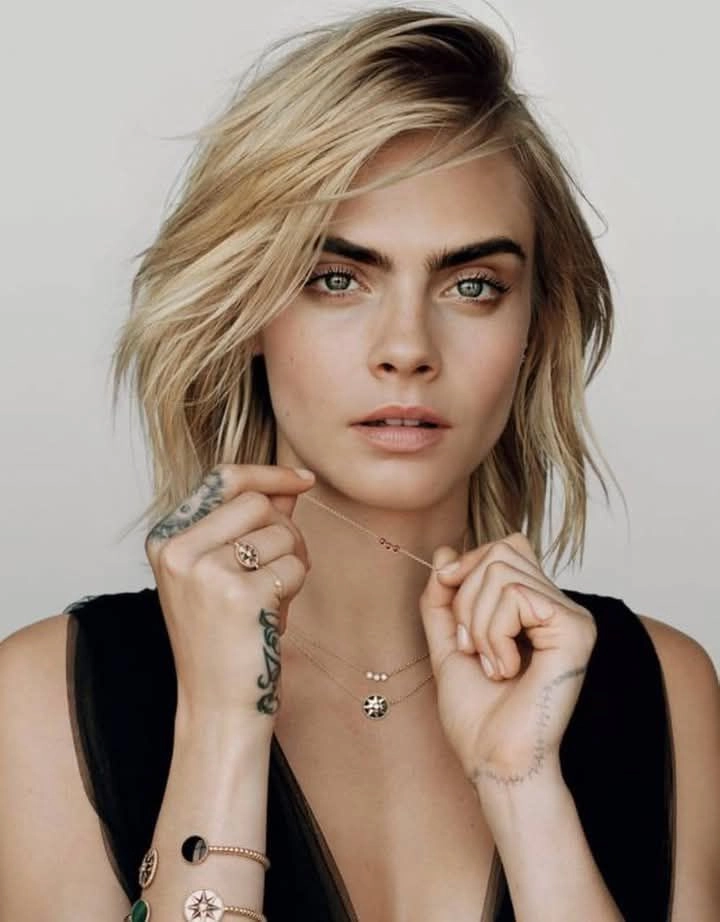
Media News, Interviews & Controversies
“Under the Flashbulbs: Fame, Fallout, and Fearless Honesty”
From the moment Cara Delevingne rose to prominence, the media’s fascination with her was immediate and intense. She was not the archetypal, reserved supermodel of decades past. She was playful, unpredictable, occasionally irreverent—and entirely unfiltered. That unpredictability made her magnetic to audiences and irresistible to tabloids. Headlines often oscillated between admiration and scrutiny, reflecting both her cultural influence and the relentless appetite of modern celebrity journalism.
In the early stages of her modelling career, interviews frequently focused on her eccentric personality. Journalists were captivated by her humour and candidness. She was known for pulling faces during serious photo shoots, joking with interviewers, and resisting overly rehearsed answers. At times, this spontaneity led to misunderstandings. A widely discussed 2015 television interview promoting Paper Towns became a minor controversy when some viewers interpreted her playful responses as disinterest. In reality, those who followed her career recognised it as her characteristic sarcasm. Nevertheless, the episode revealed how easily tone can be misinterpreted in the spotlight.
As her acting career developed, so too did critical scrutiny. Performances in high-profile films such as Suicide Squad and Valerian and the City of a Thousand Planets attracted mixed reviews. Some critics questioned her transition from modelling to acting, while others praised her commitment to physically and emotionally demanding roles. Cara addressed this criticism in interviews with a measured perspective. She acknowledged that acting was a craft requiring growth and discipline, and she openly admitted that she was still learning. Rather than retreat from critique, she appeared to embrace it as part of professional evolution.
Perhaps the most significant media narrative surrounding Cara has been her openness about mental health. In numerous interviews with leading publications, she has spoken candidly about experiencing depression from a young age. These disclosures were not delivered as confessions for shock value but as deliberate acts of advocacy. She described feeling overwhelmed by the pressures of perfection within the fashion industry and the emotional toll of constant public evaluation. Her honesty resonated deeply with fans, many of whom saw in her vulnerability a reflection of their own struggles.
Also Read Detailed Biographies of
Ruchira Jadhav | Rachana Inder | Anushka Sarkate | Tanvi Mundle | Pallavi Patil | Rashmi Gautam | Vallari Viraj | Chinmayee Salvi | Pratiksha Shivankar | Nandini Dutta | Megha Shetty | Bhumika Gurung | Vidula Chougule | Purva Kaushik | Kavya Shetty | Navya Tiwari | Prasanna Bisht | Vedika Pinto | Neha Khan | Pavitra Punia | Rasika Sunil | Priyanka Sharma | Roomani Khare | Pamela Mondal | Anastasiia Lenna
The media’s tone shifted notably in 2022, when photographs and video footage circulated online showing her appearing visibly distressed at Los Angeles’ Van Nuys Airport. The images sparked widespread concern and intense speculation. Within hours, social media was flooded with commentary—much of it intrusive. The episode highlighted the double-edged sword of fame in the digital age: compassion mixed with voyeurism. Rather than issue defensive statements, Cara later confirmed in interviews that she had entered rehabilitation and was prioritising her health. Her admission reframed the narrative from scandal to recovery.
In subsequent interviews, she spoke with striking clarity about addiction and the need for accountability. She acknowledged that public concern, though overwhelming, ultimately prompted self-reflection. In one particularly thoughtful conversation, she remarked that sometimes intervention—however uncomfortable—can become a catalyst for healing. This period marked a turning point in how media outlets covered her story. Coverage began focusing less on sensationalism and more on resilience.
Another recurring theme in media discussions has been her sexuality and relationships. As someone who identifies as pansexual, Cara has navigated an industry often eager to categorise personal identity. Her high-profile relationships attracted substantial coverage, sometimes overshadowing her professional achievements. Yet in interviews, she consistently steered conversations toward broader themes of love, authenticity, and self-acceptance. She resisted labels that felt restrictive, emphasising instead the fluidity of human connection.
Cara has also addressed industry pressures more broadly. In fashion interviews, she has spoken about objectification and the psychological demands of maintaining a public image. Her reflections on the modelling world—particularly regarding body image and unrealistic expectations—have been both candid and critical. These statements occasionally stirred debate within the industry, but they also contributed to important conversations about reform and inclusivity.
At times, her social media presence has sparked minor controversies. Known for her spontaneous posts and unfiltered captions, she has occasionally faced backlash for comments interpreted out of context. Yet unlike many public figures who retreat into curated silence, Cara often responds directly—sometimes clarifying, sometimes apologising, and sometimes standing firm. This approach has cultivated an image of approachability, even when opinions are divided.
Importantly, Cara’s interviews reveal a pattern: she does not deny imperfection. She speaks about missteps as part of growth. She acknowledges privilege while discussing personal pain. That complexity makes her a compelling media subject. Journalists are drawn not only to her fame but to her introspection. She is articulate about her vulnerabilities, and that articulation shifts the tone of coverage from gossip to dialogue.
In recent years, interviews have increasingly focused on stability and creative renewal. She has discussed rediscovering balance, prioritising sobriety, and rebuilding routines. Rather than framing recovery as a triumphant finale, she presents it as ongoing work. This nuanced portrayal challenges the simplistic “fall and redemption” narrative often favoured by tabloids. Instead, it offers a more human story—one of gradual, intentional rebuilding.
The broader media arc of Cara Delevingne’s career illustrates the volatility of contemporary celebrity culture. She has been celebrated, criticised, scrutinised, and defended—often within the same news cycle. Yet through each phase, she has maintained a distinctive voice. She does not present herself as flawless, nor does she allow controversy to define her entirely. Instead, she engages with the narrative, reshaping it through candour.
Ultimately, Cara’s relationship with the media reflects a larger truth about modern fame: visibility amplifies both triumph and turbulence. What distinguishes her is the willingness to confront headlines rather than hide from them. In an industry where silence is often the safest strategy, she has repeatedly chosen conversation. And in doing so, she has transformed controversy into an opportunity for authenticity.
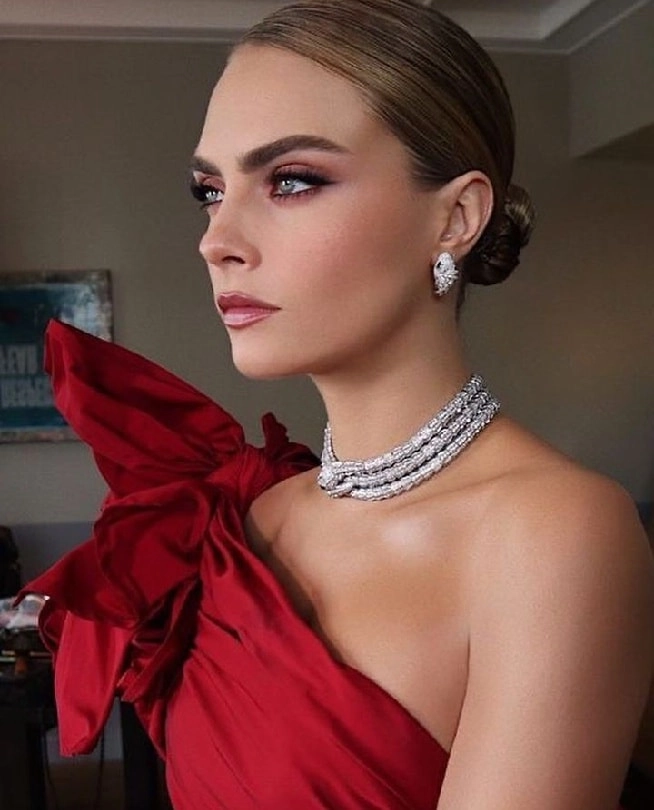
Net Worth
“From Runway Royalty to Multi-Industry Mogul”
Cara Delevingne’s estimated net worth is widely reported to be in the range of $45–55 million, with most reputable financial publications placing it close to $50 million. While exact figures vary due to fluctuating contracts and private investments, there is little doubt that her wealth reflects more than a decade of strategic career decisions across modelling, film, endorsements, and entrepreneurial ventures. Unlike many celebrities who rely on a single stream of income, Cara has built a diversified portfolio that extends well beyond the runway.
The foundation of her financial success was laid during her modelling peak between 2012 and 2015. As one of the most sought-after faces in global fashion, she commanded substantial fees for campaigns with luxury houses such as Burberry, Chanel, Fendi, and Yves Saint Laurent. Industry insiders have often described her as one of the highest-paid models of her generation during that period. Major fashion campaigns, fragrance endorsements, magazine covers, and international runway appearances significantly boosted her annual earnings. At the height of her modelling career, she reportedly earned several million dollars per year through brand partnerships alone.
Her transition into acting added another lucrative dimension to her income. Leading roles in mainstream productions such as Paper Towns and Suicide Squad introduced her to global box office audiences. While early acting salaries were modest compared to seasoned Hollywood stars, her casting in high-budget films and streaming series increased her earning power. Over time, backend deals, promotional contracts, and international distribution rights contributed to her growing financial profile. Television appearances and recurring roles further expanded her revenue streams.
Endorsements and brand collaborations have remained central to Cara’s wealth accumulation. Beyond fashion, she has partnered with beauty brands, luxury labels, and lifestyle companies. Her strong social media presence—boasting millions of followers—adds substantial value to her endorsement deals. In the age of influencer marketing, her digital reach transforms brand collaborations into high-yield opportunities. Each sponsored campaign, public appearance, or ambassadorial role carries significant commercial weight.
In addition to entertainment and endorsements, Cara has reportedly invested in property and creative ventures. Like many British celebrities from established families, real estate forms a stable component of her financial portfolio. She has owned high-value properties in London and Los Angeles, which contribute to long-term asset growth. Furthermore, her creative projects—including writing and collaborative artistic ventures—indicate a forward-thinking approach to income generation beyond modelling and acting.
Ultimately, Cara Delevingne’s net worth is not simply a reflection of fame—it is evidence of adaptability. She capitalised on her modelling success, leveraged it into acting, expanded into endorsements, and maintained cultural relevance through authenticity. Her financial trajectory mirrors her personal philosophy: evolve, diversify, and remain unapologetically yourself.
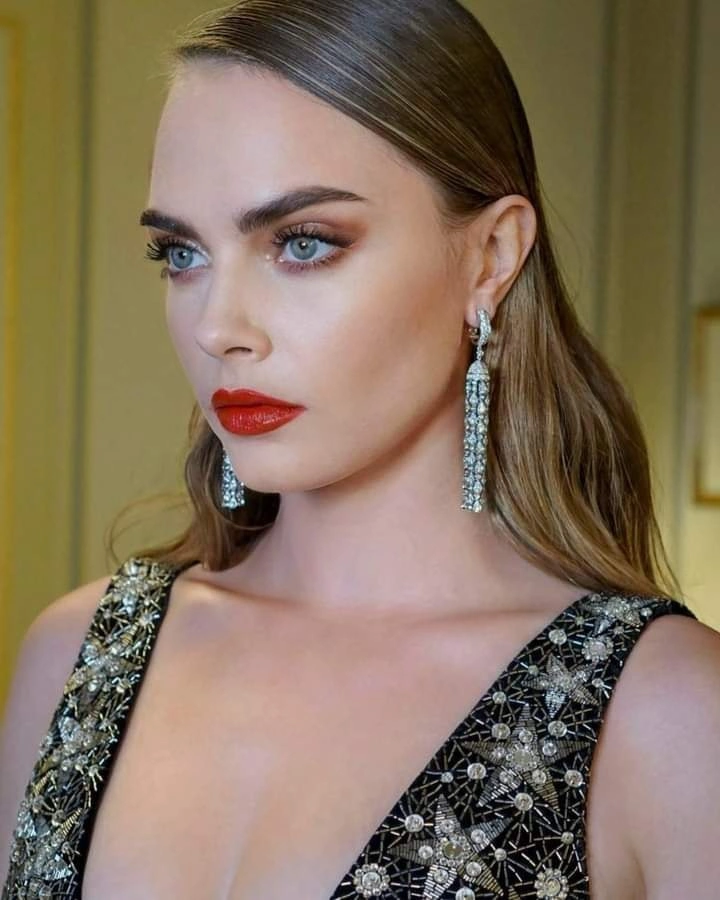
Awards & Recognition
“Honours That Reflect a Cultural Moment”
Awards, in Cara Delevingne’s case, have never merely been decorative additions to a résumé—they have been markers of a generational shift. When she first entered the modelling world, the industry was in transition. Social media was reshaping influence, personality was becoming as powerful as poise, and authenticity was gaining currency over aloof mystique. Against this backdrop, Cara’s early accolades signalled not only personal success but also a broader change in what fashion celebrated.
Her most defining recognition came from the prestigious ‘British Fashion Awards’, where she was honoured with the title of “Model of the Year” — first in 2012 and again in 2014. These wins were particularly significant because they placed her in the lineage of iconic British models who had shaped global fashion. At the time, she was not merely walking runways; she was dominating them. Designers regarded her as a muse, photographers admired her expressive versatility, and the public resonated with her unfiltered personality. The awards acknowledged both her commercial impact and her artistic presence.
Beyond British recognition, Cara’s influence extended internationally. She became a fixture on “best dressed” and “most influential” lists across global fashion publications. Fashion media outlets and industry organisations frequently highlighted her as one of the defining faces of the 2010s. While not all of these honours came in the form of trophies, they represented sustained industry validation. In a competitive field where careers can be fleeting, her repeated nominations and recognitions demonstrated longevity and relevance.
As she transitioned into acting, the tone of recognition shifted. Film critics and youth-oriented award platforms began acknowledging her performances in mainstream cinema. She received nominations at ceremonies such as the Teen Choice Awards and MTV Movie & TV Awards, particularly for her breakout role in Paper Towns. While these accolades differed in prestige from high-fashion honours, they reflected her successful crossover into a new medium. For an artist moving between industries, such recognition is often the clearest sign of adaptability.
It is also important to note that Cara’s cultural recognition extends beyond traditional awards. She has been invited to serve as a muse for celebrated designers and has been honoured at fashion galas and charity events for her advocacy work. In an era when public impact often transcends formal trophies, her invitations to speak, represent brands, and champion causes reflect a different kind of accolade—one rooted in influence rather than ceremony.
Perhaps the most meaningful “award” of her career, however, lies in the legacy she has created. Her bold eyebrows sparked a global beauty movement. Her openness about mental health encouraged candid dialogue in industries historically resistant to vulnerability. Her advocacy for LGBTQ+ rights earned admiration from communities that saw themselves reflected in her story. While these achievements may not always be engraved on plaques, they carry enduring cultural weight.
In the end, Cara Delevingne’s awards tell a story of evolution. They chart her rise from runway phenomenon to multidimensional performer and outspoken advocate. They remind us that recognition is not only about glittering evenings and acceptance speeches; it is about influence, reinvention, and impact. And in that broader sense, her most significant honour may be this: she helped redefine what it means to be a modern icon.
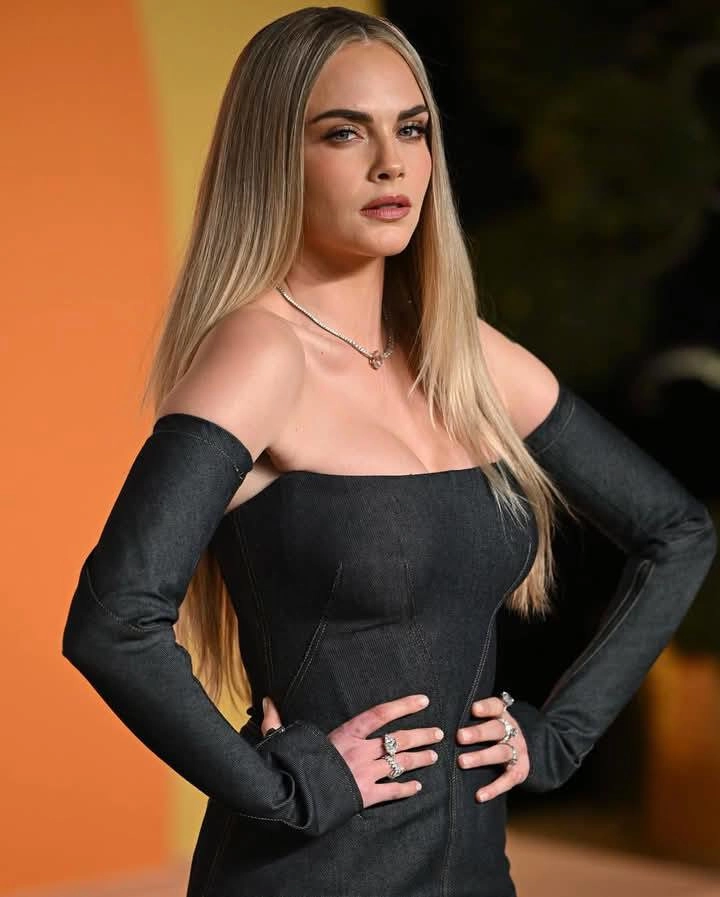
Analytical Breakdown: The Psychology of Reinvention
“The Anatomy of Reinvention: Decoding Cara Delevingne’s Cultural Impact”
Cara Delevingne’s journey cannot be understood through a single lens. It is not merely the story of a model who became an actress, nor of a celebrity navigating fame. It is, more compellingly, a case study in modern identity—how it is constructed, challenged, and ultimately reclaimed in the public eye. Her career reflects the evolving dynamics of celebrity culture in the 21st century, where visibility is constant, expectations are fluid, and authenticity has become both a personal choice and a professional currency.
At the heart of Cara’s narrative lies the tension between image and individuality. As a model, she was initially celebrated for her appearance—her striking features, her bold brows, her photogenic presence. Yet she quickly disrupted that narrative by insisting on being seen as more than an image. Through humour, spontaneity, and candid interviews, she introduced personality into an industry historically built on distance and mystique. This shift was not accidental; it aligned with a broader cultural movement toward relatability. In many ways, Cara anticipated the influencer era before it fully materialised.
Her transition into acting further underscores a deeper psychological pattern: the pursuit of dimensionality. Modelling, by its nature, often flattens identity into visual representation. Acting, by contrast, demands emotional depth and narrative complexity. Cara’s move from one medium to another can be interpreted as a desire to expand her sense of self—to explore identities beyond the surface. While her acting career has faced critique, it is precisely this willingness to risk failure that defines her evolution. She prioritised growth over comfort, a choice that reveals a long-term perspective on success.
Another significant layer of analysis lies in her openness about mental health. In an industry that traditionally rewards composure and perfection, Cara’s candid discussions about depression and recovery represent a form of quiet defiance. She has reframed vulnerability as strength, challenging the stigma that often surrounds mental health conversations. This aspect of her public identity has had a measurable cultural impact, particularly among younger audiences who seek representation that feels honest rather than aspirational.
Her approach to identity—particularly sexuality—adds further depth to her narrative. By identifying as pansexual and resisting rigid labels, Cara embodies a more fluid understanding of selfhood. This perspective resonates within a broader generational shift toward inclusivity and personal freedom. Importantly, she does not present identity as a fixed declaration but as an evolving experience. This nuance reflects a sophisticated awareness of the complexities of human connection and self-perception.
From a cultural standpoint, Cara Delevingne represents a bridge between eras. She emerged at a time when traditional celebrity structures were being disrupted by digital media. Her ability to adapt—to remain relevant across fashion, film, and social platforms—demonstrates a keen understanding of this transition. She is not confined to one industry or one narrative; she moves between them, redefining herself as she goes.
🔍 Key Analytical Insights
- Authenticity as Strategy: Cara transformed personal honesty into a defining professional strength, aligning her public image with evolving audience expectations.
- Reinvention as Survival: Her shift from modelling to acting illustrates the necessity of adaptation in sustaining long-term relevance.
- Vulnerability as Influence: By openly discussing mental health, she contributed to destigmatising emotional struggles within popular culture.
- Fluid Identity: Her rejection of rigid labels reflects a broader cultural movement toward inclusivity and self-definition.
- Cultural Timing: Rising during the social media boom, she capitalised on a moment when personality became as valuable as appearance.
- Resilience Under Scrutiny: Her ability to navigate criticism and controversy demonstrates emotional endurance and self-awareness.
Ultimately, Cara Delevingne’s story is not about perfection—it is about process. It is about navigating visibility while preserving identity, embracing change without losing authenticity, and understanding that growth often emerges from discomfort. In this sense, her life becomes more than a biography; it becomes a reflection of the complexities of modern fame itself.
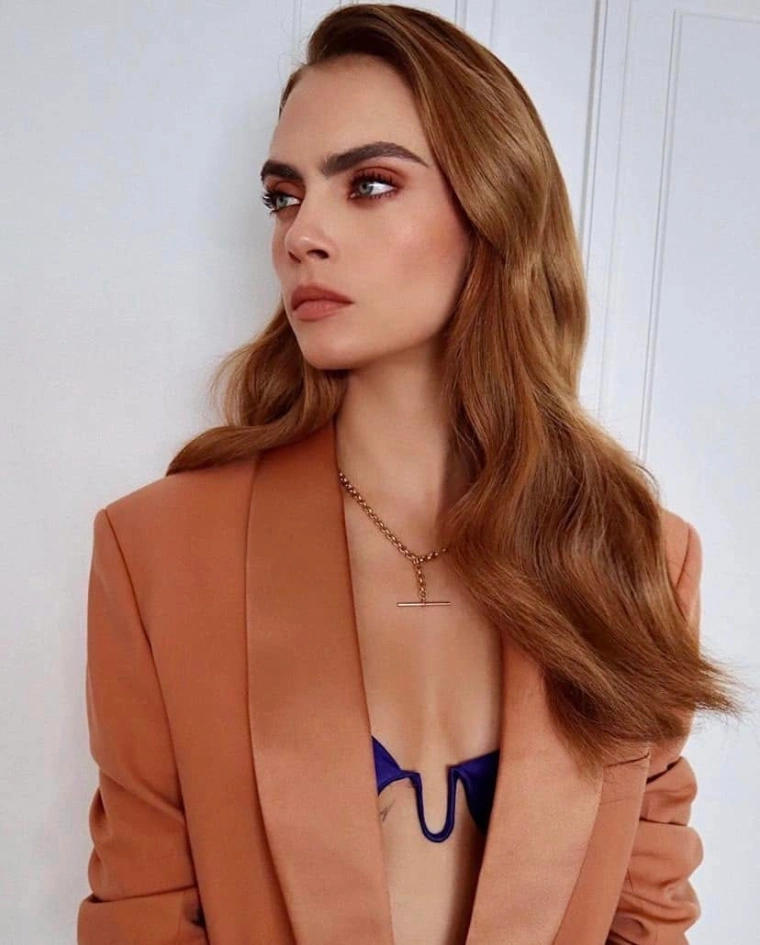
Favourite Things & Hobbies – Cara Delevingne
- Favourite Food: Cara Delevingne enjoys comfort food with a twist—think indulgent classics paired with a playful palate.
- Favourite Drink: Cara Delevingne has often leaned toward simple, refreshing beverages that match her easy-going personality.
- Favourite Colour: Cara Delevingne gravitates toward bold and expressive shades—especially black for its timeless edge.
- Favourite Fashion Style: Cara Delevingne blends edgy street style with high-fashion elegance, creating a look that is effortlessly iconic.
- Favourite Designers: Cara Delevingne has a strong affinity for luxury labels like Burberry and Chanel, where she has also been a celebrated muse.
- Favourite Holiday Destination: Cara Delevingne enjoys escaping to serene beaches and culturally rich cities that inspire creativity.
- Favourite Music: Cara Delevingne has a deep love for soulful, indie, and alternative music that resonates with her artistic spirit.
- Favourite Actors/Actresses: Cara Delevingne admires performers who embrace authenticity and versatility in their craft.
- Favourite Film Genre: Cara Delevingne is drawn to emotionally layered dramas and imaginative fantasy worlds.
- Favourite Book: Cara Delevingne appreciates thought-provoking literature that explores identity and human connection.
- Hobbies: Cara Delevingne enjoys singing, playing guitar, writing poetry, and expressing herself through art.
- Fitness Routine: Cara Delevingne prefers a balanced approach to fitness, including yoga, boxing, and dance workouts.
- Passion Beyond Work: Cara Delevingne finds joy in activism, using her voice to support mental health awareness and LGBTQ+ rights.
- Travel Style: Cara Delevingne travels with curiosity—seeking experiences over luxury, and stories over schedules.
- Leisure Activities: Cara Delevingne loves spending downtime with close friends, often embracing humour, music, and spontaneity.
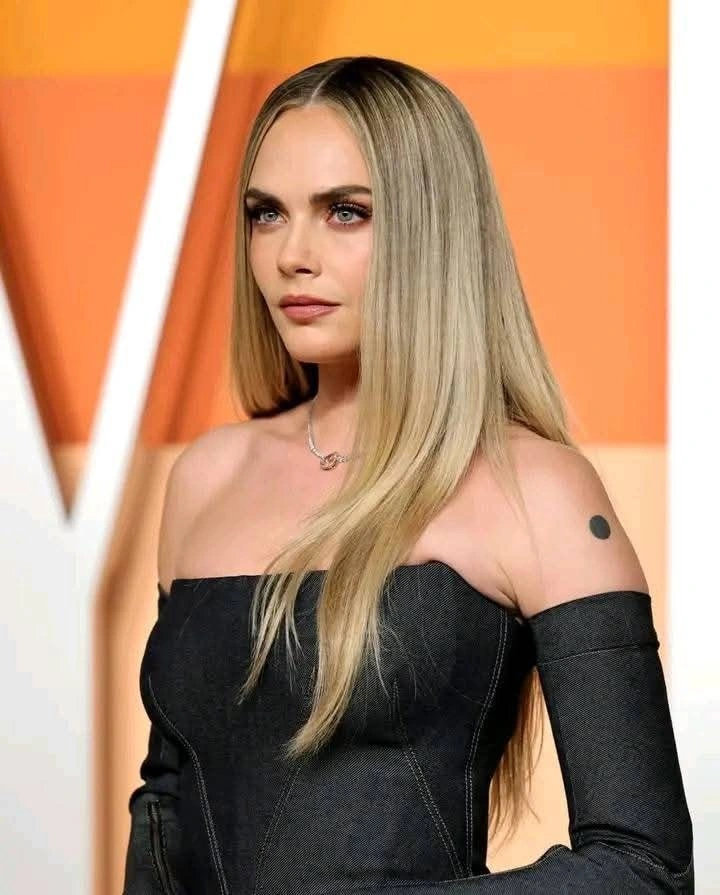
Some Lesser-Known Facts – Cara Delevingne
- Cara Delevingne was discovered at a young age but initially struggled to find her place in the fashion world.
- Cara Delevingne once revealed that music was her first love long before modelling entered her life.
- Cara Delevingne can play multiple instruments, including guitar and drums, showcasing her artistic depth beyond the runway.
- Cara Delevingne has a playful habit of pulling funny faces—even during high-fashion shoots—making her a favourite among photographers.
- Cara Delevingne is known for her quick wit and often uses humour to break the seriousness of the fashion industry.
- Cara Delevingne once described herself as a “free spirit,” a trait that defines both her career and personal life.
- Cara Delevingne has a strong passion for writing and has co-authored a novel reflecting her creative versatility.
- Cara Delevingne has spoken openly about her struggles with depression during her teenage years, advocating for mental health awareness.
- Cara Delevingne is deeply connected to her eyebrows—what started as a natural feature became a global beauty trend.
- Cara Delevingne prefers authenticity over perfection and has often challenged unrealistic beauty standards.
- Cara Delevingne has a fearless approach to fashion, often experimenting with androgynous and unconventional styles.
- Cara Delevingne values privacy despite her fame and selectively shares personal moments with the public.
- Cara Delevingne has a deep love for animals and has supported various animal welfare initiatives.
- Cara Delevingne enjoys spontaneous adventures and is known among friends for her unpredictable, fun-loving nature.
- Cara Delevingne has described acting as a therapeutic experience that allows her to explore different emotions.
- Cara Delevingne believes in living unapologetically and encourages others to embrace their individuality.
❓ Frequently Asked Questions (FAQs)
“Understanding Cara Delevingne: Key Insights Answered”
Inspirational & Admiring Quotes for Cara Delevingne
- Cara Delevingne is not just a face of fashion—she is the fearless spirit that redefined it
- Cara Delevingne proves that true beauty lies in authenticity, not perfection
- In a world of conformity, Cara Delevingne stands as a bold signature of individuality
- Cara Delevingne doesn’t follow trends—she creates movements that the world follows
- Every glance of Cara Delevingne tells a story, and every story inspires a generation
- Cara Delevingne is where rebellion meets elegance and confidence meets charm
- With every step, Cara Delevingne turned the runway into a revolution
- Cara Delevingne reminds us that strength lies in embracing who you truly are
- More than a model, Cara Delevingne is a voice of courage wrapped in charisma
- Cara Delevingne transformed vulnerability into power and honesty into influence
- The world didn’t just notice Cara Delevingne—it was changed by her presence
- Cara Delevingne is living proof that individuality is the most powerful fashion statement
- In every role she plays, Cara Delevingne brings a piece of fearless authenticity
- Cara Delevingne carries elegance in her stride and rebellion in her soul
- To watch Cara Delevingne is to witness confidence redefined
- Cara Delevingne doesn’t fit into the world—she reshapes it around her truth
- Every era has an icon, and for this generation, Cara Delevingne is unforgettable
- Cara Delevingne’s journey is a testament to courage, creativity, and constant reinvention
- With her voice and vision, Cara Delevingne turns fame into purpose
- Cara Delevingne shines not because she seeks attention, but because she embodies authenticity
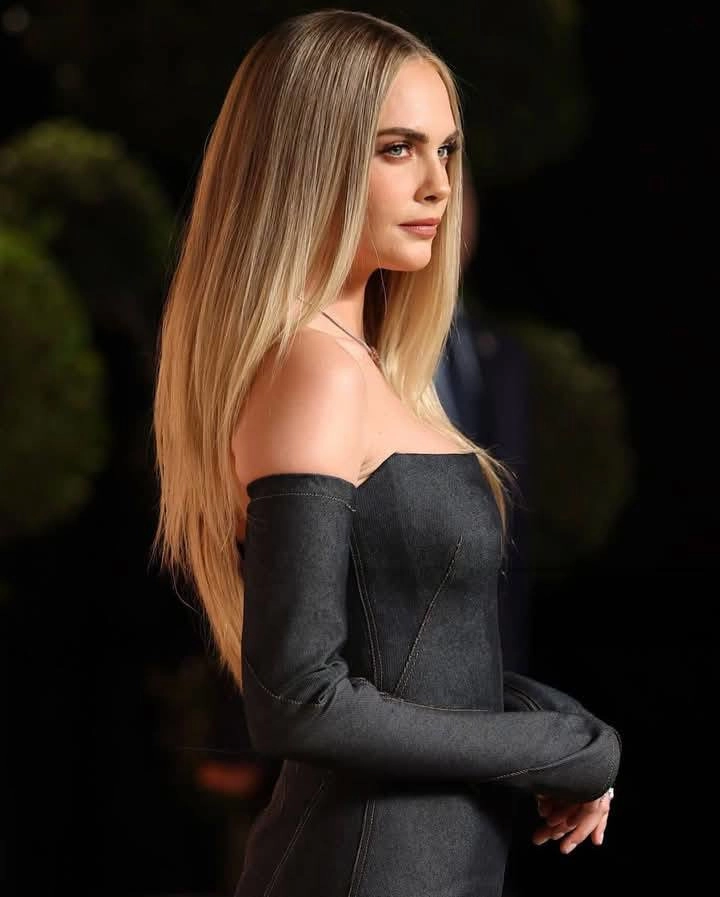
Detailed Article Conclusion
“Cara Delevingne: A Story of Reinvention, Resilience, and Radiance”
Cara Delevingne’s journey is not one that can be confined to a single narrative. It is not simply the rise of a model, nor merely the evolution of an actress. It is, instead, the unfolding of a life lived boldly—one that challenges expectations, embraces transformation, and redefines what it means to be truly authentic in a world obsessed with perfection. From the elegant streets of London to the global stage of fashion and cinema, her story reflects both privilege and perseverance, glamour and grit.
At the height of her modelling career, Cara stood as a symbol of a new era. She disrupted long-standing beauty norms, replacing distant elegance with expressive individuality. Her bold brows became iconic, but more importantly, her personality became influential. She brought humour, honesty, and spontaneity into an industry that often demanded restraint. In doing so, she reminded the world that authenticity is far more compelling than conformity.
Yet her journey did not stop at the runway. Her transition into acting was a conscious act of reinvention—a decision to step beyond comfort and embrace complexity. Acting required vulnerability, patience, and the willingness to be judged anew. Cara accepted these challenges, not as obstacles but as opportunities for growth. Her performances, evolving with each role, reflect a woman unafraid to learn publicly and continuously.
What makes her story profoundly human is her openness about struggle. Cara Delevingne has never shied away from discussing her mental health, her moments of doubt, or her path toward recovery. In an age where public figures often curate flawless images, she chose honesty. That honesty has resonated deeply, transforming her from a distant celebrity into a relatable voice for millions navigating similar battles.
Her advocacy further elevates her legacy. Whether speaking about LGBTQ+ identity, mental health awareness, or self-acceptance, Cara uses her platform with intention. She does not preach; she shares. She does not position herself above others; she stands alongside them. This approach has made her influence both meaningful and enduring.
Relationships, too, have played a significant role in shaping her narrative. Through love, heartbreak, and self-discovery, she has embraced fluidity over rigidity. Her perspective on identity—open, evolving, and unapologetic—reflects a broader cultural shift toward inclusivity. She reminds us that identity is not a fixed destination but an ongoing journey.
Financial success, awards, and global recognition have undoubtedly marked her career, but they are not its defining features. Instead, they serve as milestones along a path driven by curiosity and courage. Her ability to move between industries, to adapt without losing herself, and to remain relevant in a rapidly changing cultural landscape speaks to her intelligence and resilience.
Ultimately, Cara Delevingne represents a new kind of icon—one who is not flawless but fearless. She embraces contradiction, acknowledges imperfection, and celebrates growth. Her story is not about arriving at a final version of oneself; it is about the continuous act of becoming.
Key Takeaways from Cara Delevingne’s Journey
- Authenticity Over Perfection: Cara teaches us that being real is more powerful than being ideal.
- Reinvention is Strength: She proves that evolving across careers is not a risk—it is a necessity.
- Vulnerability is Courage: Her openness about mental health redefines strength in modern culture.
- Identity is Fluid: Cara’s journey reflects the beauty of self-discovery without limitations.
- Influence with Purpose: She uses fame not just for visibility, but for meaningful change.
- Resilience Through Change: Her life demonstrates that setbacks are often the seeds of transformation.
As her story continues to unfold, one thing remains certain: Cara Delevingne will never be static. She will continue to explore, to challenge, and to redefine herself. And perhaps that is her greatest legacy—not what she has achieved, but how she continues to evolve.
“She did not become who the world expected—she became who she truly was”.
“In a world of mirrors, Cara Delevingne chose to be a window”.
Poetic Closing Paragraph
“A Quiet Echo of Her Journey”
She walked through worlds that tried to define her, yet left them rewritten in her wake.
With eyes that carried stories and a spirit that refused silence, Cara Delevingne became more than a name—she became a feeling.
Not of perfection, but of freedom. Not of certainty, but of becoming.
And somewhere between the spotlight and the soul, she reminded us all—
that the bravest thing we can ever be… is ourselves.
“Embrace who you are. You are perfect in your imperfection”
Article Sources
- Wikipedia – Cara Delevingne
- IMDb – Cara Delevingne Profile
- People Magazine Interviews
- Vogue Interviews
- British Fashion Awards Records
- And other reliable sources from the Internet
Image Credit
CTA (Call to Action)
If you love reading inspiring stories of bold women who redefine industries, don’t forget to share this article and explore more in-depth celebrity biographies on our platform.
If you enjoyed this comprehensive biography, share it and explore more detailed celebrity features designed to inform and inspire.
Latest Posts
- Rasika Wakharkar Age, Biography, Boyfriend, Marriage, Husband, Family, TV Shows, Films, Web-series, Music Videos & More

- Madirakshi Mundle Age, Biography, Boyfriend, Marriage, Husband, Family, TV Serials, Films & More

- Angourie Rice (an Australian Actress & Model) Age, Biography, Boyfriend, Marriage, Husband, Family, Children, Career, Early Life, Education, Net Worth, Life Stories, Films, Television Shows, Web-series & More

- Simone Holtznagel (Australian Fashion Model) Age, Biography, Boyfriend, Marriage, Husband, Family, Early Life, Education, Net Worth, Television Shows & More

- Mariana Tollendal (a Brazilian Singer and Reality Television Personality) Age, Biography, Boyfriend, Marriage, Husband, Family, Children, Career, Early Life, Education, Net Worth, Life Stories, Television Shows, My Korean Boyfriend Series Star, Web-series & More

- Rasha Kirmani (Indian Actress) Age, Biography, Boyfriend, Marriage, Husband, Height, Family, Career, Net Worth, TV Shows, Music Videos, Web Series, Fashion Brand, Unknown Facts & More