
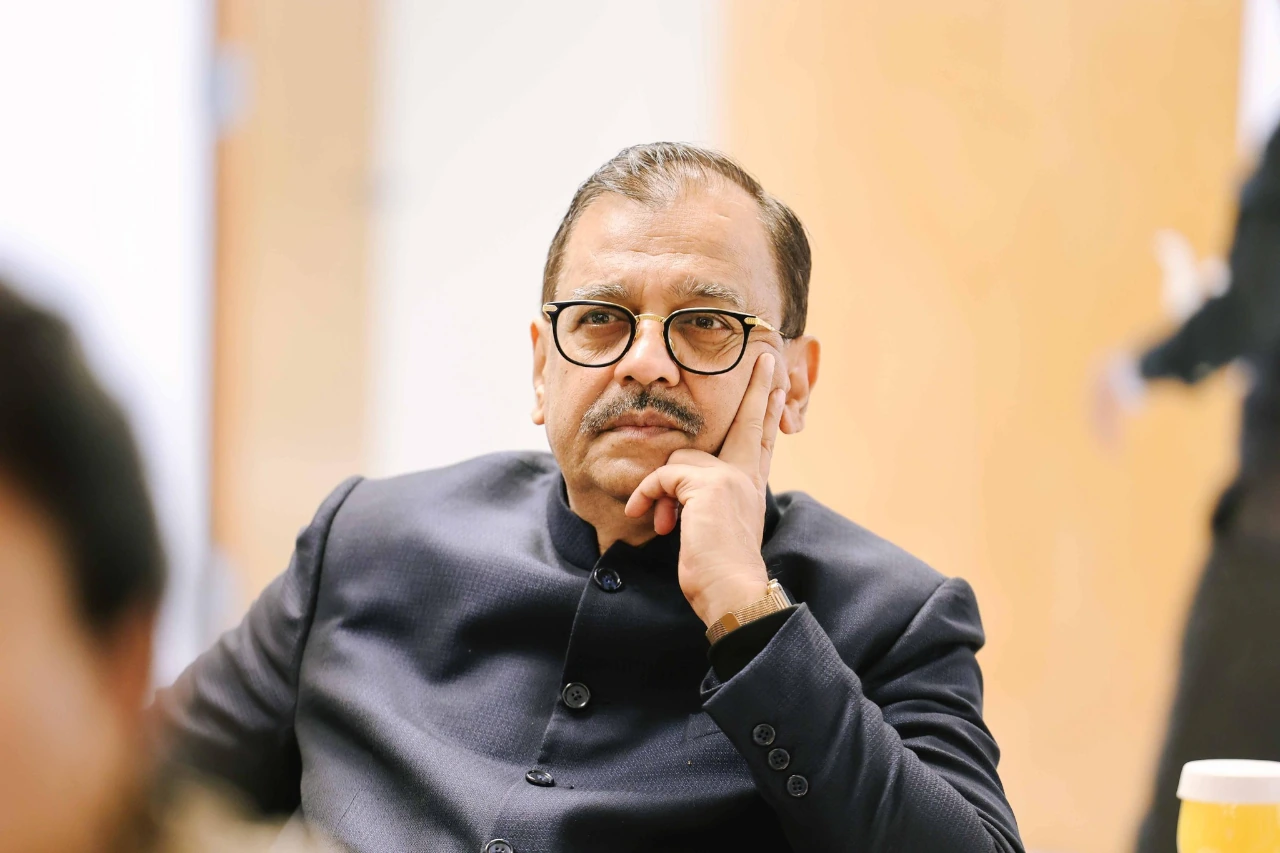
The Prosecutor of the Nation: Ujjwal Nikam’s Battle Against Terror and Organized Crime
⚖️ Ujjwal Nikam and the 1993 Bombay Serial Blasts Case – The Prosecutor Who Helped Build India’s Legal Response to Terror
The 1993 Bombay bombings case remains one of the most defining chapters not only in the career of Ujjwal Nikam but also in the evolution of India’s criminal justice system. The coordinated serial bomb blasts that struck Mumbai on 12 March 1993 changed the country forever. The attacks targeted the Bombay Stock Exchange, hotels, markets, commercial hubs, and crowded public spaces, killing more than 250 people and injuring hundreds. For the first time, India witnessed terrorism executed with a level of coordination and sophistication that exposed the growing nexus between organized crime, international networks, and anti-national elements.
When the investigation began unfolding, the complexity of the conspiracy became increasingly evident. The case involved multiple accused individuals, underworld syndicates, cross-border planning, illegal arms movement, and the use of RDX explosives on an unprecedented scale. At that stage, Maharashtra required a prosecutor capable not only of understanding criminal law but also of sustaining a legally coherent case over several years of litigation. It was in this atmosphere that Ujjwal Nikam emerged as one of the State’s most important legal faces.
Nikam’s role in the prosecution was not merely administrative or ceremonial. He became deeply associated with the legal strategy through which the State sought to establish the conspiracy behind the blasts. In several interviews over the years, he has explained that one of the biggest challenges in the case was connecting scattered pieces of evidence into a legally sustainable chain that could survive judicial scrutiny. Unlike ordinary criminal trials, terrorism prosecutions require prosecutors to establish not only direct acts but also conspiracy, financing, logistics, communication networks, and criminal intent.
The trial itself became one of the longest and most complicated legal proceedings in India. Conducted under the provisions of the Terrorist and Disruptive Activities (Prevention) Act (TADA), the proceedings stretched over more than a decade. Nikam repeatedly stated in interviews that patience and procedural discipline were essential in such cases because even the smallest inconsistency could weaken the prosecution’s position during appeals. According to his public statements, the prosecution team spent enormous amounts of time organizing witness testimonies, forensic documentation, recovery evidence, and confessional statements recorded under TADA provisions.
One of the most significant aspects of Nikam’s prosecutorial strategy was his insistence on documentary and forensic corroboration. In various public discussions and podcast appearances, he has emphasized that terrorism trials cannot rely purely on emotional arguments, regardless of the public outrage surrounding the crime. He repeatedly highlighted that convictions in such sensitive matters must stand firmly on admissible evidence. This approach later became one of the defining features of his professional image.
The prosecution’s task became even more difficult because several accused individuals had fled India. Establishing the role of absconding conspirators while simultaneously prosecuting those in custody required extraordinary coordination between investigative agencies and prosecutors. Nikam often described the case as one involving “multiple layers of conspiracy”, where each accused had different levels of involvement. Some handled transportation of explosives, others coordinated logistics, while certain individuals were linked directly to organized crime syndicates operating from outside India.
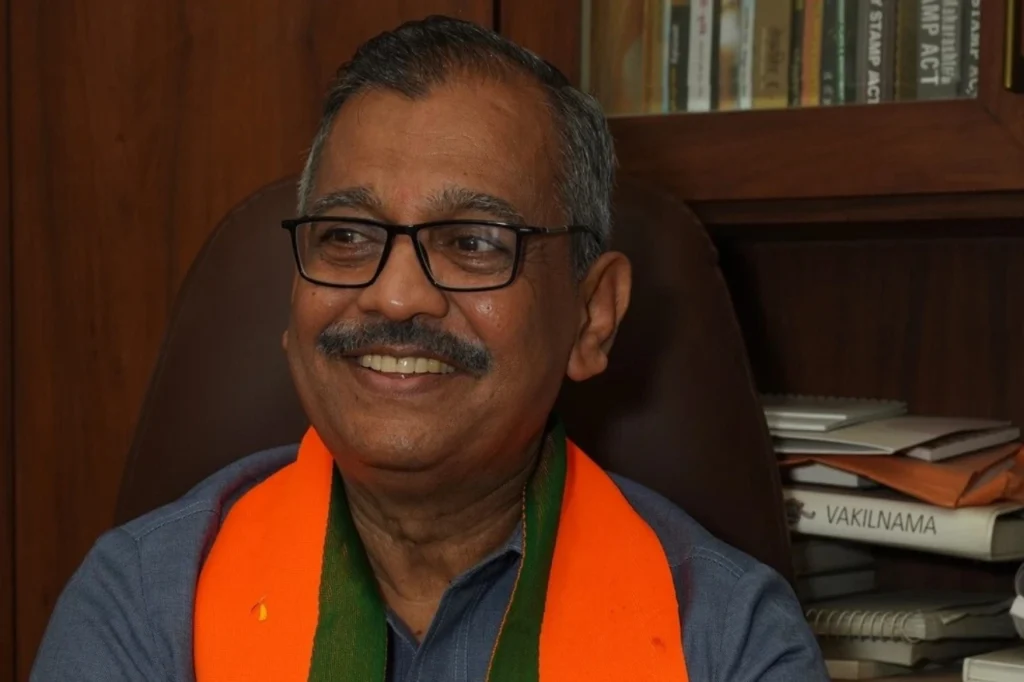
Also Read Detailed Biographies of
Geetanjali Mishra | Madirakshi Mundle | Rasika Wakharkar | Purniemaa Dey | Shefali Bagga | Rukmini Vasanth | Plabita Borthakur | Akshata Naik | Rose Sardana | Nivaashiyni Krishnan | Mahima Mhatre | Sonam Mhasvekar | Ekta Dangar | Sharayu Sonawane | Sanjana Kale | Purva Shinde | Sushrii Shreya Mishrā | Ishaa Saha | Namrata Gaikwad | Surbhi Chandna | Nakshatra Medhekar | Suvedha Desai
Over the years, the case also became politically and socially sensitive because of the alleged involvement of prominent underworld figures, including Dawood Ibrahim and Tiger Memon. During court proceedings and later media discussions, Nikam consistently maintained that the prosecution’s duty was to separate public speculation from legally admissible evidence. He repeatedly argued that the credibility of the justice system depended on the prosecution’s ability to prove allegations within constitutional parameters rather than through public pressure.
One of the most widely discussed dimensions of the 1993 blasts case involved actor Sanjay Dutt, who was prosecuted under the Arms Act for illegal possession of weapons linked to the conspiracy network. In several recent interviews, Nikam revisited that chapter and explained that while Dutt was not convicted as a conspirator in the bomb blasts, the illegal possession of an AK-56 rifle raised serious concerns during the investigation. Nikam publicly stated that if information regarding the weapons movement had reached law enforcement authorities earlier, certain leads could potentially have emerged sooner during the investigation. These observations later became widely debated across media platforms.
In long-form interviews and podcasts, Nikam has also spoken about the emotional intensity surrounding the trial. According to him, the pressure was immense because the blasts had deeply traumatized Mumbai. Survivors, victims’ families, and ordinary citizens looked toward the judiciary for accountability. Yet, he often stressed that prosecutors cannot function emotionally. Their responsibility is to present evidence systematically and ensure that convictions remain sustainable through higher judicial review.
The scale of documentation in the case was staggering. Hundreds of witnesses were examined, thousands of pages of records were scrutinized, and forensic details had to be connected with witness testimony. Nikam’s colleagues and several journalists covering the case observed that his courtroom style during the blasts trial was methodical rather than dramatic. He focused heavily on chronology, evidentiary linkage, and procedural continuity. This methodical prosecutorial style later became associated with his identity in subsequent terrorism cases, including the 26/11 Mumbai attacks trial.
The 1993 blasts prosecution also transformed Nikam’s public image. Before the trial, he was respected within Maharashtra’s legal circles, but the case elevated him into a nationally recognized prosecutor. Media coverage increasingly portrayed him as one of the State’s principal legal warriors against terrorism and organized crime. His later involvement in major cases only strengthened that perception. Over time, the image of Ujjwal Nikam became inseparable from India’s prosecutorial response to terror-related crimes.
In retrospective interviews, Nikam has repeatedly described the 1993 blasts case as a turning point not only in his career but also in India’s criminal justice history. According to him, the case exposed the urgent need for stronger investigative coordination, improved witness protection mechanisms, advanced forensic capabilities, and more efficient anti-terror legal frameworks. Many of these discussions later influenced broader national conversations on terrorism prosecution and internal security.
Perhaps the most enduring aspect of Nikam’s role in the 1993 Bombay Serial Blasts case was his insistence that justice must remain constitutional even in moments of national anger. In multiple interviews, he has emphasized that the legitimacy of the State comes not from revenge but from lawful accountability. That philosophy shaped his prosecutorial approach throughout the blasts trial and later became central to his public identity as one of India’s most recognized Special Public Prosecutors.
“The courtroom is not driven by emotion; it is driven by evidence”, Nikam has often reiterated in public discussions — a statement that perhaps best summarizes his role in one of India’s darkest legal chapters.
🔗 Sources & References (1993 Bombay Serial Blasts Case)
- Wikipedia – Ujjwal Nikam
- Wikipedia – 1993 Bombay Bombings
- The Ranveer Show Podcast (Spotify)
- YouTube – India’s Fearless Lawyer: Ujjwal Nikam
- The Caravan – Ujjwal Nikam Profile Feature
- India Today Clip on 1993 Blasts Recollections
- Times of India – Sanjay Dutt and 1993 Blasts Remarks
- Maharashtra Times – Nikam on Sanjay Dutt and Weapons Case
- Lokatantra Profile – Ujjwal Nikam
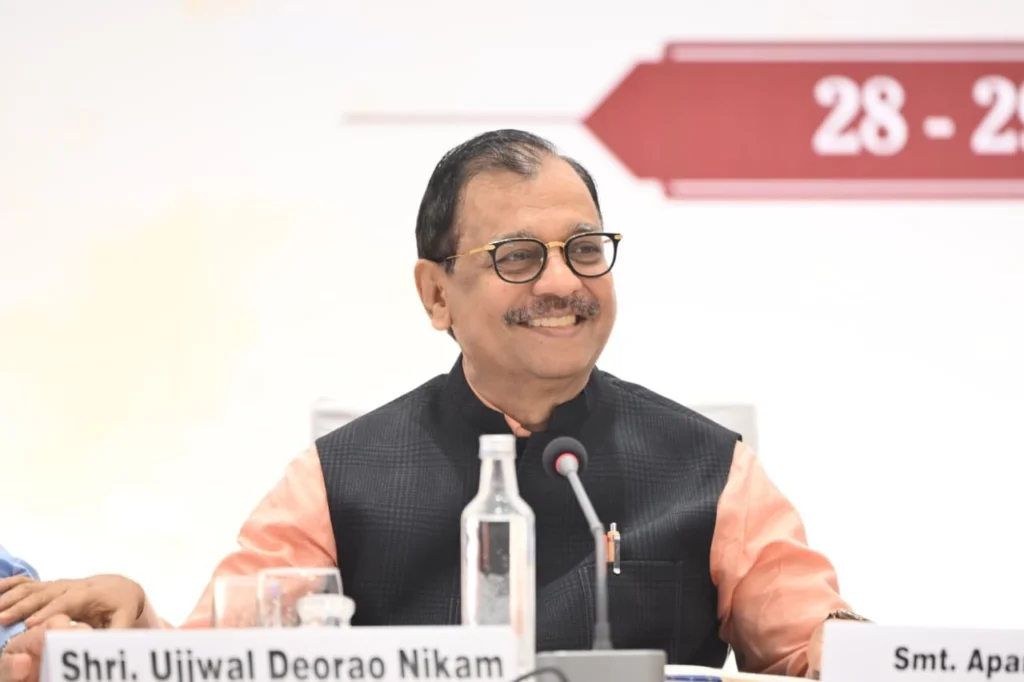
⚖️ Ujjwal Nikam and the 26/11 Mumbai Terror Attacks Case – The Prosecutor Who Faced Terror with Constitutional Resolve
The prosecution of the 2008 Mumbai attacks case remains one of the most defining chapters in the career of Ujjwal Nikam. More than a criminal trial, the proceedings represented a test of India’s constitutional strength in the aftermath of one of the deadliest terror attacks in modern Indian history. When Mumbai came under siege on the night of 26 November 2008, the entire world watched in horror as coordinated terrorist strikes unfolded across the city. Hotels, railway stations, cafés, hospitals, and public places became scenes of devastation, leaving more than 160 people dead and hundreds injured. The attacks were not merely an assault on Mumbai; they were an assault on India’s democratic confidence.
In the days that followed, India’s security and investigative agencies faced extraordinary pressure. The capture of Ajmal Kasab alive transformed the legal dimensions of the case. For the first time in a major international terror attack on Indian soil, authorities had a surviving attacker who could be prosecuted before a court of law. The responsibility of presenting the State’s case eventually fell upon Ujjwal Nikam, who was appointed Special Public Prosecutor. At that moment, the courtroom became more than a judicial venue — it became the symbolic center of India’s response to terrorism.
In multiple interviews over the years, Nikam has recalled that the prosecution team understood the historical importance of the trial from the very beginning. According to him, the world was watching whether India would respond emotionally or constitutionally. He repeatedly emphasized that the prosecution’s objective was not revenge, but lawful accountability supported by irrefutable evidence. This philosophy shaped every aspect of the prosecution strategy.
One of the most challenging dimensions of the case involved the sheer scale of evidence. The attacks unfolded across multiple locations in Mumbai, including the Taj Mahal Palace Hotel, Oberoi Trident Hotel, Chhatrapati Shivaji Terminus (CST), Nariman House, and Café Leopold. Each location generated separate streams of forensic material, eyewitness accounts, ballistic evidence, CCTV recordings, communication intercepts, and postmortem documentation. The prosecution had to convert this enormous volume of material into a coherent and legally sustainable narrative.
Nikam later stated in interviews that one of the prosecution’s greatest strengths was the systematic organization of evidence. The case included 1,015 seized articles and 1,691 documentary records submitted before the court. According to reports, 658 witnesses were connected to the prosecution process, including survivors, police officers, forensic experts, doctors, and investigators. Managing such an extensive evidentiary structure required extraordinary preparation and coordination.
The prosecution also relied heavily on technological and forensic evidence. CCTV footage from various locations became crucial in establishing Kasab’s movements during the attacks. Ballistic reports connected weapons recovered from the terrorists with crime scenes. GPS devices, satellite phone records, and intercepted communications helped investigators demonstrate cross-border operational planning. Nikam repeatedly highlighted in public discussions that the strength of the case lay in the convergence of independent evidentiary streams.
One of the most emotionally significant moments during the trial involved survivor testimonies. Among the most widely remembered was the testimony of Devika Rotawan, who had been shot during the attack at CST station when she was only nine years old. Her identification of Ajmal Kasab became one of the symbolic moments of the trial. Such testimonies reinforced the human reality behind the legal proceedings.
Nikam often explained that terrorism trials create intense emotional environments, but prosecutors cannot afford emotional instability. In interviews, he repeatedly stressed that the courtroom operates differently from public discourse. Public anger may demand immediate punishment, but judicial institutions require evidence, procedure, and constitutional discipline. According to him, the prosecution’s responsibility was to ensure that every argument remained legally sustainable even during appellate review before higher courts.
The case also attracted unprecedented international attention because evidence indicated involvement of Pakistan-based terror networks. Nikam publicly argued in several interviews that the evidence demonstrating Pakistan’s role was overwhelming. Communication intercepts, GPS tracking data, financial trails, and training records collectively strengthened the prosecution’s case regarding the broader conspiracy. In later public speeches and interviews, he repeatedly asserted that the attacks could not have been executed without external institutional support.
Another major challenge involved ensuring transparency while protecting procedural integrity. In a widely discussed interview with The Times of India, Nikam revealed that he wanted the trial to function as an “open trial” visible to the world. According to him, India needed to demonstrate that even an accused terrorist responsible for mass murder would receive a fair legal process under Indian law. This approach reflected his broader belief that constitutional legitimacy strengthens the moral authority of judicial outcomes.
Throughout the proceedings, Nikam became one of the most recognizable faces associated with the prosecution. Media cameras frequently followed his court appearances, and public interest in the trial elevated him into a national legal figure. However, this visibility also generated criticism from certain quarters. Some commentators argued that excessive media attention surrounding prosecutors could blur the line between legal process and public spectacle. Publications such as The Caravan later examined this aspect critically while discussing Nikam’s broader public image.
One controversy that remained associated with Nikam involved the so-called “Kasab biryani” remark. In public discussions, he suggested that despite receiving humane treatment and legal rights while in custody, Kasab remained unrepentant. The statement became politically and socially debated over the years. Critics accused him of dramatization, while supporters argued that the broader point being made was about India’s commitment to lawful treatment even toward terrorists. The debate became one of the most publicly discussed episodes of his prosecutorial career.
Despite controversies, the legal outcomes remained significant. On 6 May 2010, Ajmal Kasab was convicted and sentenced to death by the trial court. The conviction was later upheld by the Bombay High Court and subsequently by the Supreme Court of India. Nikam described the Supreme Court’s judgment as “historic” because it reinforced the principle that terrorism prosecutions in India must remain firmly grounded in constitutional procedure.
Following the completion of the trial, Nikam represented India in international discussions on terrorism, including participation in a United Nations convention related to global anti-terror efforts. His involvement reflected the international attention generated by the 26/11 prosecution and India’s attempt to position the case as an example of democratic legal response to terrorism.
In later interviews and podcasts, Nikam reflected on the emotional burden carried by investigators, police officers, and prosecutors during the proceedings. He frequently acknowledged the sacrifice of Mumbai Police personnel, especially officers like Tukaram Omble, whose bravery led to Kasab being captured alive. According to Nikam, Kasab’s capture fundamentally changed the trajectory of the investigation because it allowed prosecutors to establish direct evidentiary connections to the broader conspiracy.
The trial also demonstrated the growing role of modern forensic science in Indian criminal investigations. Unlike earlier terrorism cases that relied heavily on witness testimony and confessions, the 26/11 prosecution incorporated digital surveillance, communication intercepts, satellite mapping, and electronic evidence. Nikam later remarked that terrorism prosecution in the modern era requires prosecutors to understand technology as thoroughly as legal doctrine.
Public memory of the 26/11 attacks remains deeply emotional, and over time, Ujjwal Nikam became permanently associated with the judicial chapter of that tragedy. For many Indians, he symbolized the State’s determination to pursue justice through law rather than retaliation. His courtroom arguments, public appearances, and interviews collectively shaped his national image as one of India’s most recognized anti-terror prosecutors.
In retrospective interviews, Nikam has repeatedly stated that the most important aspect of the 26/11 trial was not the death sentence itself, but the fact that India demonstrated faith in constitutional institutions even under extreme provocation. According to him, the legitimacy of the verdict emerged from the fairness of the process. That belief — justice through procedure rather than vengeance — became the defining philosophy of his role in the case.
The legacy of Ujjwal Nikam’s involvement in the 26/11 prosecution extends beyond a single conviction. The case reshaped India’s approach to anti-terror investigations, accelerated discussions on coastal security and intelligence coordination, and demonstrated the growing importance of forensic integration in criminal trials. Within that larger framework, Nikam emerged as the prosecutorial face of constitutional resilience during one of India’s darkest national crises.
“The courtroom is not a place for hatred. It is a place for evidence”, Nikam has repeatedly emphasized in public discussions — a statement that perhaps best captures his role in the 26/11 Mumbai terror attacks prosecution.
🔗 Original Sources & References
- Wikipedia – Ujjwal Nikam
- Wikipedia – 2008 Mumbai Attacks
- Wikipedia – Ajmal Kasab
- Rediff Interview with Ujjwal Nikam – “Kasab’s mood has changed on seeing the evidence”
- Times of India Interview – “26/11 Case: I Wanted an Open Trial for the World”
- India Today – Supreme Court Verdict on Kasab
- NDTV – Ujjwal Nikam on Pakistan’s Role in 26/11
- The Caravan – “Avenger” Profile Feature
- YouTube – MP Ujjwal Nikam Discusses 26/11 Evidence
- Times of India – 26/11 Trial Statistics & Details
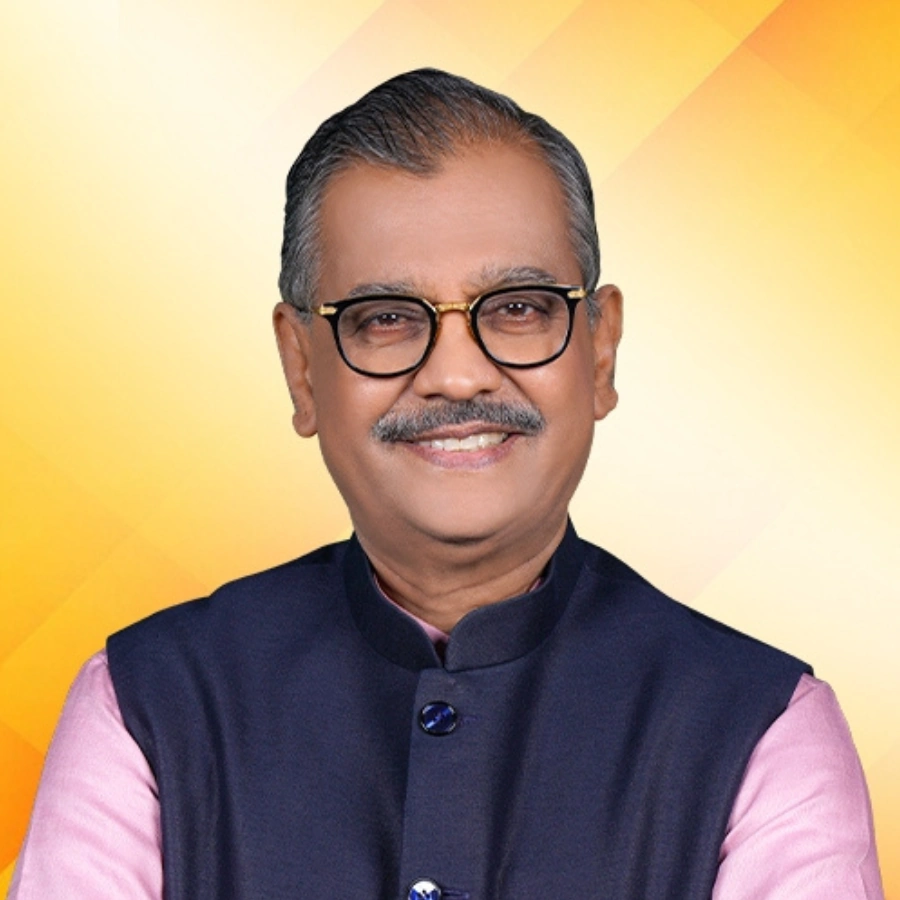
⚖️ Ujjwal Nikam, Ajmal Kasab, and the Trial That Tested India’s Constitutional Resolve
The trial of Ajmal Kasab remains one of the most historically significant criminal proceedings in modern Indian legal history, and at the center of that judicial battle stood Ujjwal Nikam. More than just a prosecutor handling a terrorism case, Nikam became the legal face of India’s constitutional response to the horrors of the 2008 Mumbai attacks. The proceedings were not simply about convicting a terrorist. They were about proving that even in moments of extraordinary national grief, India would respond through law, evidence, and judicial process rather than vengeance.
When the attacks unfolded on the night of 26 November 2008, Mumbai descended into chaos. Coordinated terror strikes targeted the Taj Mahal Palace Hotel, Oberoi Trident, Chhatrapati Shivaji Terminus (CST), Nariman House, Café Leopold, and other locations across the city. More than 160 people lost their lives. The attack was watched live across global television networks, creating unprecedented public outrage and emotional trauma. Amid the carnage, one development changed the course of the investigation forever: Ajmal Kasab, one of the attackers, was captured alive by Mumbai Police after the heroic intervention of officers led by Tukaram Omble.
The survival of Kasab transformed the legal and investigative dimensions of the case. India now had direct access to one of the perpetrators involved in the attacks. The burden of prosecuting him fell upon Ujjwal Nikam, who was appointed Special Public Prosecutor in December 2008. From that moment onward, the case ceased to be merely a criminal prosecution — it became an international legal demonstration of how a democracy handles terrorism within constitutional boundaries.
In several interviews given years later, Nikam explained that he immediately recognized the historical significance of the trial. According to him, the prosecution was aware that the world was observing whether India would remain committed to due process despite the scale of public anger. In a widely discussed interview, he stated that he deliberately wanted the proceedings to function as an “open trial” so that the international community could witness that even a terrorist accused of mass murder would receive legal representation and a fair judicial hearing under Indian law.
One of the first major challenges before the prosecution was the sheer complexity of the evidence. The attacks had occurred simultaneously across multiple locations, generating enormous volumes of material evidence. CCTV footage, eyewitness testimonies, forensic reports, ballistic analyses, satellite phone records, GPS data, and intercepted communications all had to be organized into a coherent prosecutorial structure. Nikam later recalled that the prosecution team worked relentlessly to establish an unbroken evidentiary chain that could survive scrutiny not only before the trial court but also before higher appellate courts.
Also Read Detailed Biographies of
Niyati Fatnani | Sara Arjun | Ritabhari Chakraborty | Priyanka Jain | Sonali Patil | Aetashaa Sansgiri | Vijaya Babar | Ruchita Jadhav | Prajakta Gaikwad | Sanika Kashikar | Trina Saha | Avantika Mishhra | Samridhi Puri | Reeshma Nanaiah | Sharvari Jog | Ruchira Jadhav | Rachana Inder | Anushka Sarkate | Tanvi Mundle | Pallavi Patil | Rashmi Gautam | Vallari Viraj | Chinmayee Salvi | Pratiksha Shivankar
The chargesheet itself reflected the extraordinary scale of the case. Investigators filed an approximately 11,000-page chargesheet against Kasab in February 2009. The prosecution accused him of murder, conspiracy, waging war against India, and multiple terrorism-related offenses. According to public records, the prosecution examined hundreds of witnesses and presented extensive documentary and forensic evidence before the court.
One of the defining aspects of Nikam’s role was his insistence on evidence-based prosecution rather than emotional argument. In interviews, he repeatedly emphasized that terrorism trials cannot rely on public outrage, regardless of how horrific the crime may be. According to him, the prosecution’s duty was to prove guilt through admissible evidence and constitutional procedure. This principle became the philosophical foundation of his approach throughout the Kasab proceedings.
The prosecution’s case was strengthened significantly by technological evidence. CCTV footage showing Kasab carrying an AK-47 rifle inside CST station became one of the most powerful visual components of the trial. Ballistic experts connected weapons recovered from the attackers with bullets and cartridges found at the crime scenes. GPS devices recovered from the terrorists established maritime movement patterns, while intercepted satellite phone communications linked the attackers with handlers operating from Pakistan. Nikam later remarked that the integration of digital and forensic evidence represented a new era in Indian terrorism prosecution.
A crucial legal challenge involved establishing that the attacks constituted not merely murder but “waging war against India”. The prosecution argued that the attacks were part of a coordinated conspiracy directed against the Indian State. Nikam later explained that proving the foreign hand behind the operation was legally essential because the prosecution needed to demonstrate organized international involvement rather than isolated acts of violence.
Another major dimension of the trial involved Kasab’s legal defense. Initially, the proceedings faced delays after one defense lawyer was removed because of conflict-of-interest concerns. Eventually, advocate Abbas Kazmi was appointed as Kasab’s defense counsel. Nikam later acknowledged in interviews that even though the public atmosphere was highly emotional, the accused still had constitutional rights that had to be respected. According to him, the fairness of the process itself would ultimately strengthen the legitimacy of the verdict.
The courtroom atmosphere during the trial was often tense and psychologically charged. Survivors, police officers, doctors, and forensic experts appeared as witnesses. Several testimonies carried enormous emotional weight. One of the most memorable moments involved survivor Devika Rotawan, who identified Kasab during proceedings after surviving the attack at CST station as a child. Such testimonies reinforced the human tragedy behind the legal documentation.
Nikam frequently stated that while prosecutors cannot afford emotional instability inside courtrooms, they cannot remain untouched by the suffering described during testimony. Balancing empathy with procedural discipline became one of the defining psychological challenges of the trial.
In interviews with Rediff and other media platforms, Nikam described Kasab as someone who initially appeared confident and even arrogant during the proceedings. According to him, the accused had been trained not only in handling weapons but also in how to behave if captured alive. Kasab reportedly attempted multiple defensive strategies, including claims that photographs of him holding weapons were fabricated. However, as the evidence mounted, Nikam observed a visible change in his demeanor. He later stated that Kasab gradually realized the inevitability of his conviction.
One of the most debated episodes connected to the trial was the infamous “biryani remark”. During the proceedings, stories circulated widely that Kasab had demanded mutton biryani in jail. The statement became politically explosive and generated massive public discussion. Years later, however, Nikam admitted publicly that Kasab had never actually demanded biryani and that he had “concocted” the statement to shift public sentiment. According to him, he believed certain sections of the media were portraying Kasab too sympathetically, and he feared that emotional narratives could distort public perception of the trial.
That admission later became controversial. Critics accused Nikam of manufacturing public sentiment, while supporters argued that the broader point concerned media sensationalism surrounding terrorism trials. The debate became one of the most discussed aspects of his public image and remains associated with the Kasab case even today.
Despite public controversies, the prosecution’s legal achievements remained substantial. On 6 May 2010, the trial court convicted Ajmal Kasab and sentenced him to death. The Bombay High Court subsequently upheld the conviction, and later the Supreme Court of India affirmed the sentence as well. Throughout these appellate proceedings, the prosecution maintained that the evidence against Kasab was overwhelming and procedurally sound.
Nikam later described the Supreme Court judgment as historically important because it demonstrated that India’s judicial system could handle even the gravest acts of terrorism through constitutional mechanisms. According to him, the legitimacy of the verdict emerged not from public anger but from the integrity of the process itself. That distinction became central to his legal philosophy.
Another notable aspect of the prosecution involved international cooperation. For the first time in such a major Indian terrorism trial, officials from the Federal Bureau of Investigation (FBI) provided testimony in Indian courts. Nikam later stated that this cooperation was critical in recovering and interpreting technical data from GPS devices and communication systems used by the attackers. The case therefore marked a turning point in cross-border anti-terror investigation frameworks.
Over time, the Ajmal Kasab trial transformed Ujjwal Nikam into one of India’s most publicly recognized prosecutors. Media coverage surrounding the proceedings elevated him into national prominence. His courtroom appearances, interviews, and legal arguments became closely associated with India’s anti-terror narrative. Even years later, political campaigns and public discourse continued referencing his role in the case.
The trial also reshaped discussions around terrorism prosecution in India. It accelerated debates regarding coastal security, intelligence coordination, digital forensics, and witness protection systems. Nikam frequently argued in subsequent public appearances that modern terrorism prosecution requires prosecutors to understand technology as deeply as legal doctrine. According to him, future prosecutors would increasingly need expertise in cyber evidence, digital tracking, and international coordination mechanisms.
In later podcast interviews and public conversations, Nikam often reflected on the emotional burden carried by investigators and prosecutors throughout the proceedings. He repeatedly acknowledged the sacrifices of Mumbai Police officers and anti-terror personnel, especially those who lost their lives while confronting the attackers. According to him, the capture of Kasab alive fundamentally altered the trajectory of the case because it allowed investigators to directly expose the operational structure behind the attacks.
Perhaps the most enduring aspect of Ujjwal Nikam’s role in the Ajmal Kasab trial was his insistence that constitutional discipline itself represented India’s greatest strength. In several interviews, he argued that democracies distinguish themselves from terrorists not through revenge, but through adherence to lawful procedure. Even an individual accused of horrific crimes must be tried according to law because the legitimacy of the State depends on fairness. That principle ultimately defined both the prosecution and Nikam’s public legacy in the case.
“The courtroom is not driven by hatred. It is driven by evidence”, Nikam has repeatedly emphasized in interviews discussing the Kasab trial.
🔗 Original Sources & References
- Wikipedia – Ajmal Kasab
- Wikipedia – Ujjwal Nikam
- Wikipedia – 2008 Mumbai Attacks
- Rediff Interview – “Kasab has realised the inevitability of his fate”
- The Indian Express – “Kasab never asked for mutton biryani”
- Scroll – Debate on the ‘Biryani’ Remark
- The Caravan – “Avenger” Profile Feature
- YouTube – Inside the 26/11 Investigation | Ujjwal Nikam
- YouTube – Ujjwal Nikam Discusses 26/11 Evidence
- YouTube – Unplugged ft. Ujjwal Nikam
- Times of India – “I Wanted an Open Trial for the World”
- Economic Times – Rajya Sabha Nomination Coverage
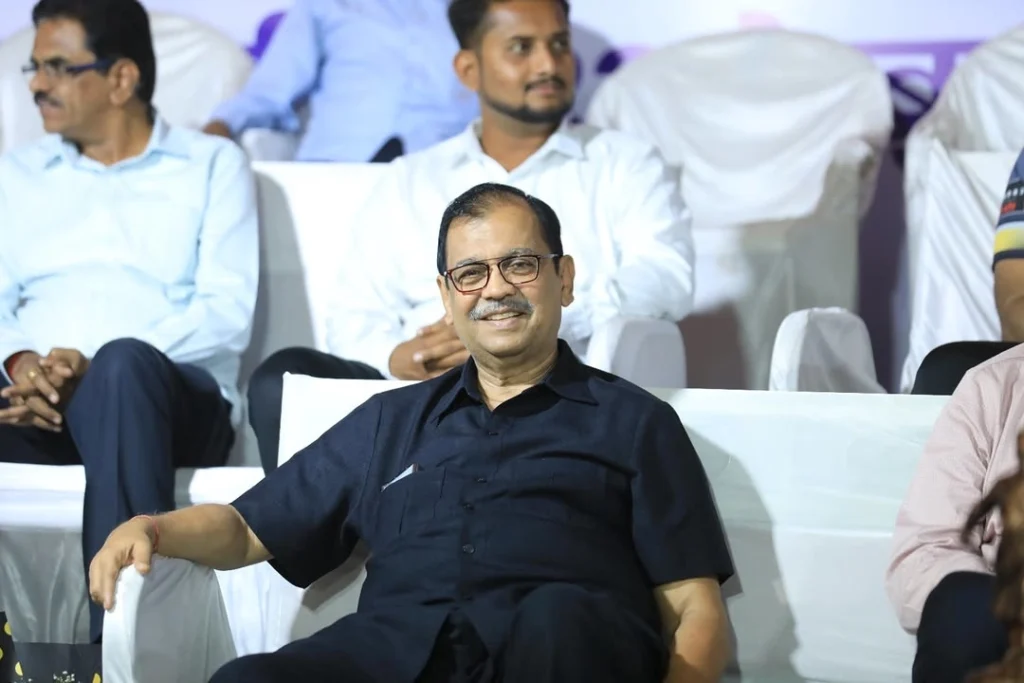
⚖️ Beyond 1993 & 26/11: Other High-Profile Cases That Cemented Ujjwal Nikam’s Reputation as India’s Most Recognized Prosecutor
While Ujjwal Nikam became nationally synonymous with the prosecution of the 1993 Bombay bombings and the 2008 Mumbai attacks, his legal career extends far beyond terrorism trials. Over several decades, Nikam handled a remarkable range of high-profile murder, rape, organized crime, and politically sensitive cases that shaped public discourse in Maharashtra and across India.
His courtroom journey reflected not only legal skill but also an ability to navigate emotionally charged environments where media attention, political pressure, and public expectation converged. Through these cases, Nikam evolved from a state prosecutor into one of India’s most publicly recognizable legal figures.
What distinguished him across different trials was a prosecutorial philosophy rooted in evidence, procedural discipline, and relentless preparation. In interviews and public discussions, he repeatedly emphasized that no matter how sensational a case becomes, convictions must survive appellate scrutiny. According to him, “a prosecutor’s job does not end with public applause; it ends only when the verdict withstands the test of law”.
🎬 The Gulshan Kumar Murder Case – Bollywood, Underworld, and a National Sensation
One of the earliest non-terror cases that significantly elevated Nikam’s visibility was the murder of music baron Gulshan Kumar in 1997. Gulshan Kumar, founder of T-Series, was shot dead outside a temple in Mumbai in broad daylight. The murder shocked the Indian entertainment industry and immediately drew attention toward alleged underworld involvement in Bollywood.
The investigation became highly sensitive because it allegedly exposed the nexus between organized crime syndicates and the Hindi film industry during the 1990s. Nikam played a major role in representing the prosecution during proceedings that involved multiple accused individuals, allegations of extortion, and links to gangster networks operating from outside India.
The case was legally complicated because witness testimonies shifted repeatedly, several witnesses turned hostile, and media speculation dominated public discourse. Nikam later acknowledged in interviews that organized crime cases are often more difficult than ordinary murder trials because fear influences witnesses and evidence collection becomes vulnerable to intimidation.
Though most accused individuals were eventually acquitted and only one conviction was secured, the trial highlighted the difficulties prosecutors face in cases involving criminal syndicates. The proceedings also reinforced Nikam’s public image as a prosecutor willing to take on organized crime despite immense public scrutiny.
🏛️ The Pramod Mahajan Murder Case – When Politics Entered the Courtroom
The 2006 murder of senior BJP leader Pramod Mahajan became another defining case in Nikam’s career. Mahajan, one of the Bharatiya Janata Party’s most influential leaders at the time, was shot by his younger brother Pravin Mahajan following a personal and familial dispute.
The case generated enormous media attention because it involved not organized crime or terrorism, but a deeply personal family tragedy unfolding within one of India’s most powerful political families.
Nikam approached the case with a prosecutorial strategy focused on motive, witness consistency, and ballistic evidence. According to legal observers covering the trial, the prosecution sought to establish that the shooting was intentional and not accidental or impulsive.
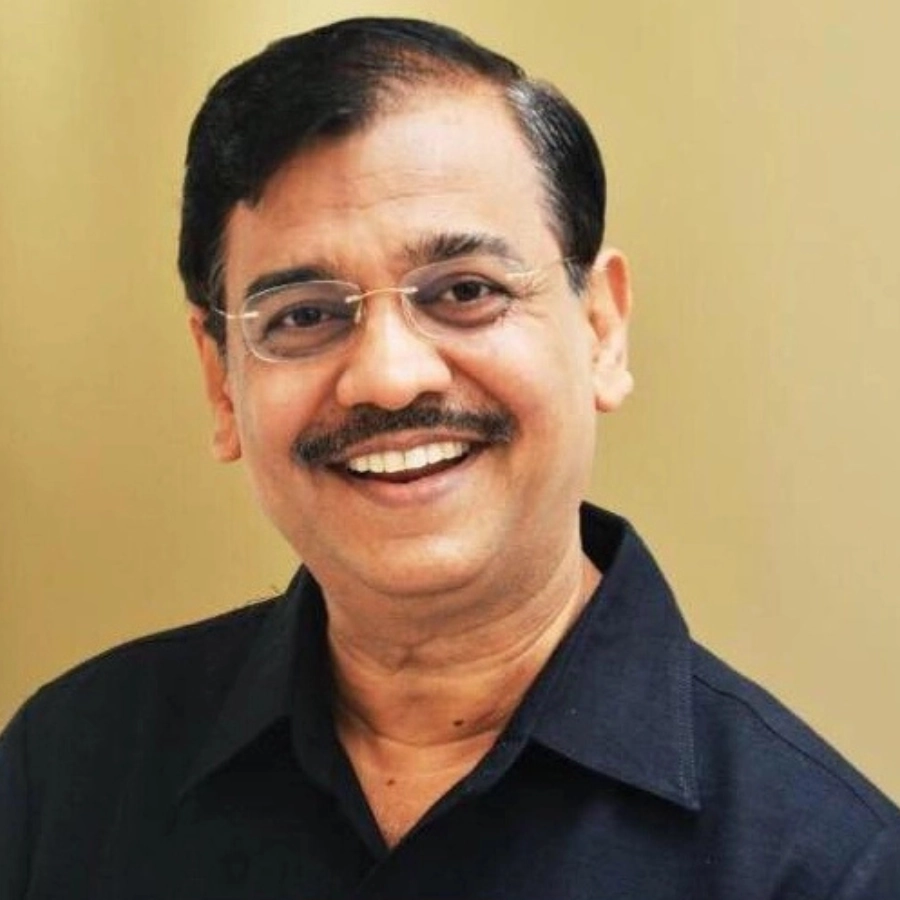
Also Read Detailed Biographies of
Nandini Dutta | Megha Shetty | Bhumika Gurung | Vidula Chougule | Purva Kaushik | Kavya Shetty | Navya Tiwari | Prasanna Bisht | Vedika Pinto | Neha Khan | Pavitra Punia | Rasika Sunil | Priyanka Sharma | Roomani Khare | Pamela Mondal | Milind Shinde | Poorva Gokhale | Subodh Bhave | Cara Delevingne | Ujjwal Nikam – Biography | Bergüzar Korel | Kashmira Pardeshi | Anastasiia Lenna | Talita Hartmann
The courtroom atmosphere during the proceedings was emotionally intense. Members of the Mahajan family appeared as witnesses, and media organizations covered every detail extensively. Nikam later stated in public discussions that politically sensitive cases require prosecutors to maintain even greater procedural discipline because public interpretation can easily become polarized.
Pravin Mahajan was ultimately convicted and sentenced to life imprisonment in 2007. The case reinforced Nikam’s reputation for handling emotionally charged proceedings involving influential public figures.
⚫ The Khairlanji Massacre – One of Maharashtra’s Most Sensitive Social Justice Cases
Among the most socially significant cases handled by Nikam was the Khairlanji massacre, involving the brutal murder of a Dalit family in Maharashtra’s Bhandara district in 2006. The killings triggered nationwide outrage and protests concerning caste violence, police handling of the investigation, and systemic injustice.
Nikam appeared as Special Public Prosecutor in the proceedings. The case carried enormous social sensitivity because it touched upon caste discrimination, rural power structures, and failures of institutional response.
During the trial, Nikam argued strongly for maximum punishment. Court records and media reports indicate that he sought capital punishment for the accused, emphasizing the brutality of the crime and the need for strong judicial response.
The sessions court eventually sentenced six individuals to death and two others to life imprisonment, though higher courts later commuted the death penalties.
The Khairlanji case demonstrated another dimension of Nikam’s prosecutorial career — one extending beyond terrorism into socially explosive crimes affecting marginalized communities. The proceedings also intensified national conversations about caste violence and criminal justice reform.
📰 The Shakti Mills Gang Rape Case – Prosecuting Crimes That Shocked Urban India
The 2013 Shakti Mills gang rape case became one of Mumbai’s most horrifying crimes against women in recent years. A young photojournalist was gang-raped inside the abandoned Shakti Mills compound in Mumbai, triggering nationwide outrage over women’s safety.
Nikam served as Special Public Prosecutor in the trial. The proceedings moved quickly under fast-track mechanisms due to public pressure and the gravity of the offense.
In interviews, Nikam later recalled the emotional atmosphere surrounding survivor testimony. According to court coverage, the victim broke down multiple times during proceedings, and courtroom arrangements had to be modified to reduce trauma while recording testimony.
The prosecution emphasized forensic evidence, identification procedures, and repeat-offender provisions under criminal law. Three repeat offenders were eventually sentenced to death, while another received life imprisonment.
The case became nationally significant because it reflected the changing legal climate in India after the 2012 Delhi gang rape case. Nikam’s role further reinforced his image as a prosecutor trusted in emotionally explosive trials involving public outrage and national attention.
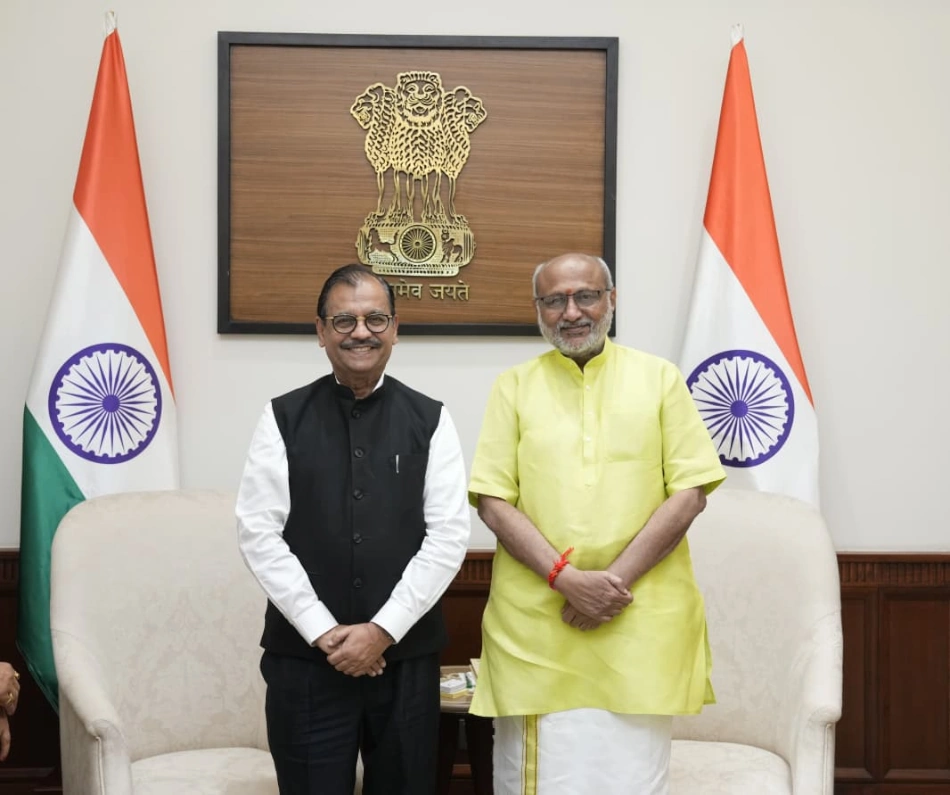
🧪 The Preeti Rathi Acid Attack Case – A Trial Focused on Psychological Violence
Another highly emotional case handled by Nikam was the murder of Preeti Rathi, a young woman who died after an acid attack in Mumbai in 2013. The brutality of the crime shocked the country and intensified discussions around acid violence against women.
Nikam represented the prosecution against Ankur Panwar, who was accused of carrying out the attack after rejection in a marriage proposal context.
The prosecution focused heavily on circumstantial evidence, travel patterns, witness statements, and motive establishment. According to legal reporting, the challenge lay in constructing a coherent evidentiary chain despite the absence of direct eyewitnesses to the attack itself.
Panwar was eventually convicted and sentenced to death in 2016. The case further expanded Nikam’s public identity beyond terrorism-related litigation into crimes involving gender violence and psychological brutality.
👧 The Kopardi Rape and Murder Case – Rural Maharashtra Under National Spotlight
The 2016 rape and murder of a teenage girl in Kopardi village in Maharashtra’s Ahmednagar district triggered massive protests across the state. The crime rapidly became both a legal and political issue, drawing intense public attention.
Nikam was appointed Special Public Prosecutor and opened the trial in October 2016. According to reports and public statements, he emphasized speedy proceedings and evidentiary precision due to the sensitivity of the matter.
The prosecution relied on medical evidence, forensic findings, and witness testimony. Sessions court later awarded death sentences to all three accused individuals.
The case demonstrated Nikam’s continuing role in some of Maharashtra’s most socially volatile trials even decades into his career.
🧵 The Telgi Scam and Organized Crime Prosecutions
Though less publicly associated with him than terrorism cases, Nikam was also linked to legal proceedings connected with organized crime and financial wrongdoing in Maharashtra during the era of the Abdul Karim Telgi fake stamp paper scam discussions. Public commentary around his prosecutorial work often highlighted his ability to handle multi-layered conspiracies involving documentation, financial trails, and institutional networks.
Such cases required prosecutors to understand not only criminal law but also administrative systems, documentary fraud, and financial procedures. According to Nikam’s public remarks in interviews, organized economic crimes are often harder to prosecute than violent crimes because paper trails can be manipulated and conspiracies may stretch across jurisdictions.
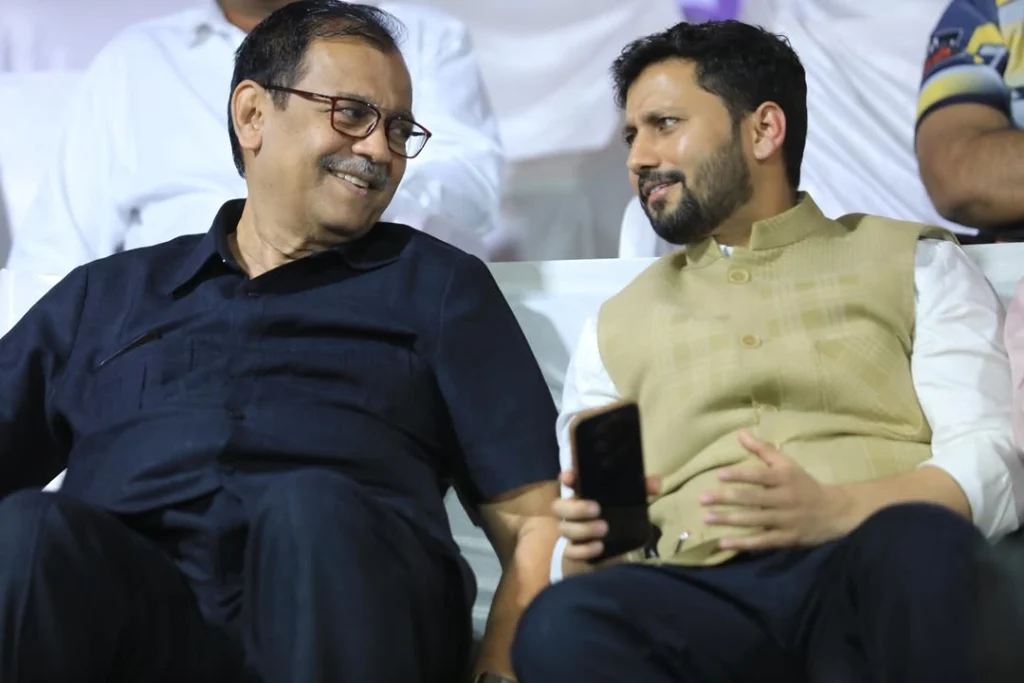
⚖️ The Marine Drive Rape Case – Accountability Within Institutions
In the Marine Drive rape case, involving a police constable accused of raping a minor girl inside a police station, Nikam represented the prosecution in proceedings that drew intense criticism toward institutional abuse of power.
The conviction in the case became significant because it demonstrated that law enforcement personnel themselves could face serious criminal accountability through judicial process.
Nikam later argued in public discussions that crimes involving custodial or institutional abuse damage public trust far more deeply than ordinary offenses because they involve betrayal of authority.
🧍 The Pallavi Purkayastha Murder Case – Urban Fear and Women’s Safety
The murder of lawyer Pallavi Purkayastha in Mumbai in 2012 became another major urban crime case associated with Nikam’s prosecutorial work. Purkayastha was killed after resisting an attempted sexual assault by a building watchman.
The case intensified debates regarding women’s safety in metropolitan cities and security within residential spaces.
The prosecution relied heavily on forensic evidence and circumstantial reconstruction of events. The accused was eventually sentenced to life imprisonment.
🧠 Prosecutorial Philosophy Across Cases – Evidence Above Emotion
Across all these trials — whether involving terrorism, political murder, caste violence, sexual assault, or organized crime — one consistent theme defined Nikam’s public image: his insistence that prosecutors must remain evidence-oriented.
In numerous interviews, podcasts, and public speeches, he has repeatedly argued that sensational cases create dangerous pressure for emotional prosecution. According to him, public outrage cannot substitute for admissible evidence.
He often emphasized:
Convictions must survive appellate scrutiny
Witness consistency is critical
Procedural mistakes weaken justice
Media trials cannot replace judicial process
Emotional arguments cannot sustain legal outcomes
This philosophy became central to his reputation.
📺 Media Visibility and the Rise of “Public Prosecutor as Public Figure”
Nikam’s involvement in high-profile cases transformed him into one of India’s most recognizable prosecutors. Media appearances, interviews, debates, and courtroom commentary made him a public figure in ways few prosecutors had experienced previously.
Publications like The Caravan critically examined this visibility, noting that Nikam understood television-era legal communication better than many contemporaries. Some reporters even jokingly referred to him as “Visual Nikam” because of his strong media presence.
Critics occasionally questioned whether prosecutors should maintain greater distance from media narratives. Supporters, however, argued that his communication style increased public awareness regarding judicial process and constitutional procedure.
🏁 Conclusion – A Career Built Across Many Courtrooms, Not Just Two Historic Trials
Though the 1993 Bombay blasts case and the Ajmal Kasab trial remain the most publicly remembered chapters of his career, Ujjwal Nikam’s legal journey cannot be understood through those cases alone.
From the murder of Gulshan Kumar to the Pramod Mahajan trial, from the Khairlanji massacre to the Shakti Mills gang rape case, his courtroom presence became associated with some of the most emotionally and politically sensitive prosecutions in Maharashtra’s legal history.
Across vastly different crimes, one aspect remained constant: a prosecutorial style built on preparation, procedural discipline, and the belief that justice must ultimately be evidence-driven.
That consistency is what transformed Ujjwal Nikam from a state prosecutor into a nationally recognized legal figure.
🔗 Original Sources & References
Wikipedia – Ujjwal Nikam
The Caravan – “The Mentor Who Taught Ujjwal Nikam How to Modulate the Evidence”
The Caravan – “Avenger” Profile Feature
Wikipedia – Shakti Mills Gang Rape
Wikipedia – Khairlanji Massacre
YouTube – Ujjwal Nikam Interview (BeerBiceps / Ranveer Allahbadia)
Facebook – Advocate Ujjwal Nikam Press Conference
Wikipedia – Gulshan Kumar Murder Case
Wikipedia – Pramod Mahajan Murder Case
Wikipedia – Preeti Rathi Acid Attack Case
Wikipedia – Pallavi Purkayastha Murder Case
Image Credit
For more information, you can visit our website: Neustarz
Read this definitive biography now and discover how Ujjwal Nikam became one of India’s most influential prosecutors — a man who turned evidence into justice and duty into legacy.
🚀 Call To Action (CTA)
Inspired by the extraordinary courtroom journey of Ujjwal Nikam? Explore the complete biography to uncover the untold stories, landmark trials, legal battles, controversies, and defining moments that shaped one of India’s most recognized Special Public Prosecutors. From the 1993 Bombay blasts to the Ajmal Kasab trial, discover how evidence, discipline, and constitutional conviction turned Ujjwal Nikam into a lasting symbol of India’s fight for justice.
👉 Read the full article now and dive deep into the courtroom legacy that changed India’s criminal justice narrative forever.
Latest Posts
- Rasika Wakharkar Age, Biography, Boyfriend, Marriage, Husband, Family, TV Shows, Films, Web-series, Music Videos & More

- Madirakshi Mundle Age, Biography, Boyfriend, Marriage, Husband, Family, TV Serials, Films & More

- Angourie Rice (an Australian Actress & Model) Age, Biography, Boyfriend, Marriage, Husband, Family, Children, Career, Early Life, Education, Net Worth, Life Stories, Films, Television Shows, Web-series & More

- Simone Holtznagel (Australian Fashion Model) Age, Biography, Boyfriend, Marriage, Husband, Family, Early Life, Education, Net Worth, Television Shows & More

- Mariana Tollendal (a Brazilian Singer and Reality Television Personality) Age, Biography, Boyfriend, Marriage, Husband, Family, Children, Career, Early Life, Education, Net Worth, Life Stories, Television Shows, My Korean Boyfriend Series Star, Web-series & More

- Rasha Kirmani (Indian Actress) Age, Biography, Boyfriend, Marriage, Husband, Height, Family, Career, Net Worth, TV Shows, Music Videos, Web Series, Fashion Brand, Unknown Facts & More